







Home Blog Page 4

10 Motivational Quotes on Self-Discipline & Consistency

0
Motivational quotes on self-discipline and consistency in Urdu

💪Top 10 Quotes About Self-Discipline and               Consistency

🧭 Introduction

Motivational quotes on self-discipline and consistency can transform your daily habits, mindset, and long-term success. Whether you’re struggling to stay focused or building a new routine, these carefully selected quotes—each with Urdu translations and reflections—will help you push through laziness, overcome procrastination, and develop powerful discipline in life. Let’s explore how words of wisdom can reshape your consistency and commitment!

Best Motivational Quotes on Self-Discipline for Daily Routine

Discipline doesn’t come naturally—it’s trained, practiced, and reinforced. The quotes below highlight how staying consistent with your goals requires both patience and mental toughness. These words act like reminders to stay on track even when motivation fades. Save your favorite ones and read them every morning!

💬 1. “Discipline is the bridge between goals and accomplishment.” — Jim Rohn

Urdu:
“نظم و ضبط وہ پل ہے جو خوابوں کو حقیقت میں بدلتا ہے۔”
✍️ Reflection: Discipline is what made my goals real—not planning, but doing.
🔥 Tip: Make deadlines part of your lifestyle.


💬 2. “We are what we repeatedly do. Excellence, then, is not an act, but a habit.” — Aristotle

Urdu:
“ہم وہی بن جاتے ہیں جو ہم بار بار کرتے ہیں۔ کامیابی کوئی عمل نہیں بلکہ عادت ہے۔”
✍️ Reflection: Writing became my habit before it became my strength.
🔥 Tip: Turn success into a system, not a one-time event.


💬 3. “Success doesn’t come from what you do occasionally. It comes from what you do consistently.” — Marie Forleo

Urdu:
“کامیابی کبھی کبھار کے عمل سے نہیں، بلکہ مسلسل کوشش سے آتی ہے۔”
✍️ Reflection: One blog post didn’t change everything. Twenty did.
🔥 Tip: Win small battles daily—they add up.


💬 4. “Small disciplines repeated with consistency every day lead to great achievements.” — John C. Maxwell

Urdu:
“چھوٹے چھوٹے نظم و ضبط والے کام روزانہ کرنے سے بڑی کامیابیاں حاصل ہوتی ہیں۔”
✍️ Reflection: Half an hour a day was enough to move my vision forward.
🔥 Tip: Create a daily checklist—even if it’s tiny.


💬 5. “You will never always be motivated, so you must learn to be disciplined.” — Unknown

Urdu:
“آپ ہر وقت موٹیویٹڈ نہیں ہوں گے، اس لیے نظم و ضبط سیکھنا ضروری ہے۔”
✍️ Reflection: I didn’t always feel like writing—but I did it anyway.
🔥 Tip: Use routines to protect you from mood swings.


💬 6. “Discipline is choosing between what you want now and what you want most.” — Abraham Lincoln

Urdu:
“نظم و ضبط یہ ہے کہ آپ فوری خواہش کے بجائے سب سے اہم مقصد کو چُنیں۔”
✍️ Reflection: I said no to distractions to say yes to growth.
🔥 Tip: Write your “bigger goal” where you can see it daily.


💬 7. “The successful person has the habit of doing things failures don’t like to do.” — Albert Gray

Urdu:
“کامیاب افراد وہ کام کرنے کی عادت رکھتے ہیں جو ناکام لوگ پسند نہیں کرتے۔”
✍️ Reflection: I edit and polish when others give up.
🔥 Tip: Train your mind to enjoy the boring stuff.


💬 8. “Consistency is harder when no one is clapping for you. You must clap for yourself.” — Unknown

Urdu:
“جب کوئی تعریف نہیں کرتا تو تسلسل مشکل ہوتا ہے۔ خود کو سراہنا سیکھو۔”
✍️ Reflection: My blog was silent for months. I still kept going.
🔥 Tip: Be your biggest cheerleader.


💬 9. “Discipline is doing what needs to be done, even when you don’t feel like doing it.” — Unknown

Urdu:
“نظم و ضبط وہ ہے جو آپ کو تب بھی کام کرنے پر مجبور کرتا ہے جب آپ کا دل نہ کرے۔”
✍️ Reflection: My best content came from the hardest days.
🔥 Tip: Start for just 5 minutes. Momentum will follow.


💬 10. “Your future is created by what you do daily—not someday.” — Robert Kiyosaki

Why Self-Discipline Matters More Than Motivation

Discipline vs. Motivation: What’s the Difference?

Motivation gives you a boost, but discipline builds the routine that keeps you going. Unlike motivation, which fades, discipline stays and grows over time.

How Quotes Help Build Mental Toughness

Reading and reflecting on motivational quotes creates mental reinforcement. They act as triggers to remind you of your goals and reset your mindset.

Urdu:

“آپ کا مستقبل اُس کام سے بنتا ہے جو آپ روز کرتے ہیں، نہ کہ اُس سے جو آپ کسی دن کریں گے۔”
✍️ Reflection: Someday became never—until I started acting today.
🔥 Tip: Build a daily habit that your future self will thank you for.


Consistency: The Secret to Long-Term Success

Daily Habits Create Discipline

Success isn’t about one big action—it’s about what you repeat daily. These quotes inspire you to maintain that momentum every single day.

Use Urdu Quotes to Reinforce Focus

When you read motivational quotes in Urdu, it touches both emotion and logic. Language matters, and Urdu adds deeper meaning and power.

📊 Summary Table

#QuoteUrdu TranslationKey Message
1Discipline is the bridge…نظم و ضبط پل ہےStructure your efforts
2We are what we do…ہم وہی بن جاتے ہیںBuild habits
3Success = Consistencyکامیابی مسلسل کوشش ہےBe regular
4Small daily stepsچھوٹے چھوٹے کامAdd up over time
5No motivation dailyموٹیویشن روز نہیں ہوتیRely on discipline
6Want now vs. want mostفوری خواہش یا اصل مقصدChoose wisely
7Do what others avoidجو دوسروں کو پسند نہیںStep ahead
8Clap for yourselfخود کو سراہوStay encouraged
9Do it anywayپھر بھی کروBuild inner drive
10Future = today’s habitsمستقبل روز کی عادت ہےDaily focus matters


🌟 Final Thoughts

Discipline makes you dangerous to defeat. When others get distracted, you stay focused. When motivation fades, your routine keeps moving. If you want lasting success—be consistent when it’s hard.

So don’t wait for the “right time.” Start now. Stick with it. And watch your life transform.

FAQs About Self-Discipline and Motivation

Q1: What is a powerful quote about self-discipline?

A powerful quote is: “Discipline is the bridge between goals and accomplishment.”

Q2: How can motivational quotes help build consistency?

They remind you of your goals, inspire mindset shifts, and build momentum.

Motivational Quotes on Self-Discipline

Self-discipline is the master key to personal growth, achievement, and a focused life. Whether you’re chasing goals, building habits, or resisting distractions, self-discipline fuels the journey. Below are powerful quotes to inspire and strengthen your willpower every single day.

“Discipline is choosing between what you want now and what you want most.” – Abraham Lincoln

“Success isn’t always about greatness. It’s about consistency. Consistent hard work gains success.” – Dwayne Johnson

“With self-discipline, almost anything is possible.” – Theodore Roosevelt

Discipline isn’t a punishment—it’s a practice of freedom. Bookmark these quotes, revisit them daily, and train your mind to focus on what truly matters. 💪🔥

Motivational Quotes on Self-Discipline

Self-discipline is the foundation of personal success and strong character. These quotes will inspire you to remain consistent, focused, and strong-willed, even during tough times. Embrace discipline and take control of your life!

“Discipline is the bridge between goals and accomplishment.” – Jim Rohn

“Success doesn’t come from what you do occasionally. It comes from what you do consistently.” – Marie Forleo

“We must all suffer one of two things: the pain of discipline or the pain of regret.” – Jim Rohn

“Discipline is choosing between what you want now and what you want most.” – Abraham Lincoln

💡 Tip: Make these quotes part of your daily routine by setting one as your phone wallpaper or journaling your favorite each morning.

Motivational Quotes for Hard Times – Strength When You Need It Most

0
Motivational Quotes for Hard Times – Uplifting Words to Stay Strong and Hopeful

Top 10 Motivational Quotes for Hard Times with Urdu Translation

Why Motivational Quotes forx` Hard Times Matter

Motivational Quotes for Hard Times – Final Takeaway

Hard times test our patience, courage, and faith. Whether you’re struggling with life, career, or relationships, the right words can offer hope. These motivational quotes for hard times come with personal reflections and Urdu translations to comfort and strengthen you.


1. “The darkest hour has only sixty minutes.” — Morris Mandel

  • Urdu Translation:
    “سب سے تاریک گھڑی بھی صرف ساٹھ منٹ کی ہوتی ہے۔”

  • My Reflection:
    This reminds me that no pain lasts forever. I’ve faced moments where everything felt stuck—zero growth, no income—but time always moved forward. And so did I.

  • Action Tip:
    When it’s too dark to see ahead, just focus on making it through the hour. Light always returns.


2. “Out of difficulties grow miracles.” — Jean de La Bruyère

  • Urdu Translation:
    “مشکلات سے معجزے جنم لیتے ہیں۔”

  • My Reflection:
    When I lost a client I depended on, it felt like failure. But that “difficulty” pushed me to build my own brand—this site. Sometimes the worst event creates the best opportunity.

  • Action Tip:
    Write one difficulty and one thing it taught you. You’ll see your miracle forming.


3. “Tough times never last, but tough people do.” — Robert H. Schuller

  • Urdu Translation:
    “مشکل وقت ہمیشہ نہیں رہتا، مگر مضبوط لوگ رہتے ہیں۔”

  • My Reflection:
    I used to doubt if I was strong enough. But I realized: strength isn’t loud—it’s the quiet decision to keep going when you feel like quitting.

  • Action Tip:
    Speak this quote to yourself like a daily affirmation—loud and proud.


These motivational quotes for hard times will remind you that your pain has a purpose.


4. “Storms make trees take deeper roots.” — Dolly Parton

  • Urdu Translation:
    “طوفان درختوں کی جڑیں مزید مضبوط بناتے ہیں۔”

  • My Reflection:
    Every storm I’ve faced has deepened my understanding of myself. Challenges aren’t setbacks; they’re foundations.

  • Action Tip:
    When going through pain, ask: “What part of me is becoming stronger?”


5. “Every adversity carries with it the seed of an equal or greater benefit.” — Napoleon Hill

  • Urdu Translation:
    “ہر مصیبت اپنے ساتھ برابر یا زیادہ فائدے کا بیج رکھتی ہے۔”

  • My Reflection:
    It’s not easy to believe this in the middle of the problem. But trust me—some blessings only show themselves in hindsight.

  • Action Tip:
    Keep a “pain-to-purpose” journal. One day you’ll read back and see how far you’ve come.


For more, check out this Success.com list of motivational quotes.


6. “Sometimes when you’re in a dark place, you think you’ve been buried, but you’ve actually been planted.” — Christine Caine

  • Urdu Translation:
    “کبھی کبھار جب آپ اندھیرے میں ہوتے ہیں، تو لگتا ہے آپ دفن ہو گئے ہیں، لیکن حقیقت میں آپ بوئے جا رہے ہوتے ہیں۔”

  • My Reflection:
    There was a time when silence on my site felt like failure. But that pause gave me space to rebuild, learn SEO, and grow my confidence. It wasn’t the end—it was the beginning.

  • Action Tip:
    When you feel buried, imagine roots forming. Something new is about to grow from this.


Whenever I hit a low, I return to these motivational quotes for hard times—they ground me.


7. “Fall seven times, stand up eight.” — Japanese Proverb

  • Urdu Translation:
    “سات بار گرجاؤ، آٹھویں بار اٹھ کھڑے ہو۔”

  • My Reflection:
    I’ve launched posts that flopped, ideas that no one read. But every “fall” taught me what didn’t work—and that became my success map.

  • Action Tip:
    Track your failures like lessons. Each one is shaping your next breakthrough.


8. “You may have to fight a battle more than once to win it.” — Margaret Thatcher

  • Urdu Translation:
    “کبھی کبھی ایک جنگ کو جیتنے کے لیے اسے بار بار لڑنا پڑتا ہے۔”

  • My Reflection:
    Anxiety, self-doubt, and financial stress—they don’t go away in one try. I’ve had to push back many times, not just once. That’s okay. Real warriors return to the battlefield.

  • Action Tip:
    Normalize repeating efforts. Re-applying, re-trying, re-learning—this is success.


9. “Scars are not signs of weakness, they are signs of survival and growth.” — Unknown

  • Urdu Translation:
    “زخم کمزوری کی علامت نہیں، بلکہ بقا اور ترقی کی علامت ہیں۔”

  • My Reflection:
    I used to hide the things I failed at—until I realized, those stories are what connect us to others. You don’t inspire through perfection, but through proof you got back up.

  • Action Tip:
    Share your scars. Your story may be someone else’s survival guide.


10. “When everything seems to be going against you, remember that the airplane takes off against the wind, not with it.” — Henry Ford

  • Urdu Translation:
    “جب سب کچھ آپ کے خلاف ہو رہا ہو، یاد رکھیں کہ ہوائی جہاز ہوا کے خلاف ہی اڑتا ہے۔”

  • My Reflection:
    Sometimes pressure and resistance are actually what lift you higher. I’ve faced criticism, silence, and low stats—but each forced me to improve.

  • Action Tip:
    Use resistance as a signal to rise. The struggle may just be your runway.


Let’s dive into the best motivational quotes for hard times with Urdu translations and real-life meaning.


✅ Quick Summary Table

#QuoteMessageAction Tip
1Darkest hour…Pain is temporaryGet through one hour
2Difficulties grow miraclesStruggle = growthLearn from the pain
3Tough people lastStrength is quietUse affirmations
4Storms deepen rootsHardship builds characterEmbrace inner growth
5Adversity has a seedStruggles hold purposeJournal transformation
6Planted not buriedGrowth hides in darknessTrust the process
7Fall seven times…Keep getting upTurn failure into learning
8Battle more than oncePersistence winsNormalize retries
9Scars = survivalWounds show wisdomShare your lessons
10Wind lifts planesResistance = riseStruggle is your runway

🌱 Final Thoughts

Hard times will come. But you are built for more than just survival—you’re built for strength, growth, and resilience. These quotes are your tools. Your belief is your fuel. Keep going.

If you’re looking for more daily inspiration, check out these trusted sources: Success.com’s collection of motivational quotes, Tiny Buddha’s wisdom quotes, and Lifehack.org’s inspirational quote roundup. These sites offer powerful reminders to stay strong, focused, and positive on your journey.

15 Best Love Quotes in Urdu for Him & Her (Romantic & Heartfelt)

1
Romantic Love Quotes in Urdu for Him and Her

💖 Heartfelt Love Quotes to Touch Your Soul

Love is the most powerful and beautiful feeling in the world. It brings people closer, heals pain, and makes life meaningful. Whether you’re in love, missing someone special, or simply admiring the emotion itself — these love quotes will speak to your heart. From romantic expressions to deep emotions, our carefully selected Love Quotes in English and Urdu are here to inspire, comfort, and connect. Explore and share the magic of love through timeless words.

💖 دل کو چھو لینے والے محبت کے اقوال

محبت ایک ایسا احساس ہے جو دلوں کو جوڑتا ہے، درد کو مٹاتا ہے، اور زندگی کو خوبصورت بناتا ہے۔ چاہے آپ محبت میں ہوں، کسی کو یاد کر رہے ہوں، یا صرف محبت کے جذبات کو محسوس کر رہے ہوں — یہ محبت بھرے اقوال آپ کے دل کی آواز بنیں گے۔ انگریزی اور اردو میں یہ خوبصورت اقوال آپ کے جذبات کی ترجمانی کرتے ہیں۔ انہیں پڑھیں، محسوس کریں، اور اپنوں کے ساتھ شیئر کریں۔

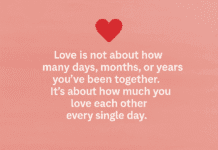
💖 1. “Love is not about how many days, months, or years you’ve been together. It’s about how much you love each other every single day.”

اردو ترجمہ: محبت دن، مہینے یا سال گننے کا نام نہیں، بلکہ ہر دن ایک دوسرے سے دل سے محبت کرنے کا نام ہے۔

📌 Reflection: True love grows with time — not in numbers, but in feelings.

💖 2. “You don’t love someone for their looks, or their clothes, or for their fancy car, but because they sing a song only you can hear.”

اردو ترجمہ: محبت خوبصورتی، لباس یا دولت کی نہیں، بلکہ اس احساس کی ہوتی ہے جو صرف آپ محسوس کرتے ہیں۔

📌 Reflection: Deep connection is beyond appearances — it’s spiritual.

💖 3. “The best thing to hold onto in life is each other.” – Audrey Hepburn

اردو ترجمہ: زندگی کی سب سے خوبصورت چیز ایک دوسرے کا ساتھ ہے۔

📌 Reflection: In this uncertain world, love offers the safest place to be.

💖 4. “I look at you and see the rest of my life in front of my eyes.”

اردو ترجمہ: جب میں تمہیں دیکھتا ہوں تو اپنی پوری زندگی کو تمہارے چہرے میں پاتا ہوں۔

📌 Reflection: Real love makes the future feel complete and peaceful.

💖 5. “Love is when the other person’s happiness is more important than your own.”

اردو ترجمہ: محبت وہ ہے جب دوسرے کی خوشی اپنی خوشی سے زیادہ اہم لگے۔

📌 Reflection: Selfless love is rare, but it’s what makes love truly beautiful.

💖 6. “Every love story is beautiful, but ours is my favorite.”

اردو ترجمہ: ہر محبت کی کہانی خوبصورت ہوتی ہے، لیکن میری پسندیدہ کہانی ہماری ہے۔

📌 Reflection: Personal love stories hold a unique magic — they live in our hearts forever.

💖 7. “When I tell you I love you, I’m not saying it out of habit. I’m reminding you that you’re my life.”

اردو ترجمہ: جب میں کہتا ہوں کہ میں تم سے محبت کرتا ہوں، تو یہ صرف عادت نہیں بلکہ یہ یاد دلانے کے لیے ہے کہ تم میری زندگی ہو۔

📌 Reflection: Love is in everyday words that carry deep meaning.

💖 8. “I didn’t choose you. My heart did.”

اردو ترجمہ: میں نے تمہیں نہیں چُنا، میرے دل نے چُنا ہے۔

📌 Reflection: Real love happens naturally — it’s guided by the heart, not the mind.

💖 9. “You are the source of my joy, the center of my world, and the whole of my heart.”

اردو ترجمہ: تم میری خوشی کا سبب، میری دنیا کا مرکز اور میرے دل کی دھڑکن ہو۔

📌 Reflection: Deep love is when someone becomes your emotional universe.

💖 10. “Your love is all I need to feel complete.”

اردو ترجمہ: تمہاری محبت ہی میری مکمل ہونے کی وجہ ہے۔

📌 Reflection: True love fills the emptiness within and gives life purpose.

💖 11. “I still fall for you every single day.”

اردو ترجمہ: میں آج بھی ہر دن تم پر دوبارہ دل ہار بیٹھتا ہوں۔

📌 Reflection: In true love, feelings don’t fade — they grow stronger each day.

💖 12. “You are my today and all of my tomorrows.” – Leo Christopher

اردو ترجمہ: تم میرے آج ہو اور میرے تمام آنے والے کل بھی۔

📌 Reflection: Love gives a sense of forever — not just presence, but future.

💖 13. “Forever is a long time, but I wouldn’t mind spending it by your side.”

اردو ترجمہ: ہمیشہ ایک لمبا وقت ہے، لیکن اگر وہ تمہارے ساتھ ہو تو مجھے کوئی پرواہ نہیں۔

📌 Reflection: True love makes eternity feel like a beautiful promise.

💖 14. “You’re the first thought in my mind when I wake up, and the last before I sleep.”

اردو ترجمہ: صبح آنکھ کھلتے ہی اور رات سونے سے پہلے تم ہی میرے خیالوں میں ہوتے ہو۔

📌 Reflection: Deep love connects through thoughts — even in silence.

💖 15. “In your smile, I see something more beautiful than the stars.”

اردو ترجمہ: تمہاری مسکراہٹ میں مجھے ستاروں سے بھی زیادہ خوبصورتی دکھائی دیتی ہے۔

📌 Reflection: Love transforms the ordinary into something celestial.

💞 Explore More Heartfelt Quotes

If you enjoyed these love quotes, here are more categories that will warm your heart and inspire your soul:

❤️ Visit our Quotes Library for more inspiration updated every week.

Inspiring Story of Kindness to Animals in Islam – The Cat and the Prophet ﷺ

0

Inspiring Story of Kindness to Animals in Islam – The Cat and Prophet Muhammad ﷺ


INTRODUCTION

Kindness to animals in Islam is not just a moral value; it is a core part of faith. Prophet Muhammad ﷺ taught his followers that mercy is rewarded by Allah, even when it is shown to the smallest of creatures. Through his words and actions, the Prophet ﷺ demonstrated that animals, like humans, deserve compassion, care, and respect.

One of the most inspiring examples from the life of Prophet Muhammad ﷺ is his gentle treatment of animals. These stories are not myths or fairy tales; they are lessons meant to shape our character and daily behavior. Among them is a beautiful incident involving a thirsty cat, which continues to teach Muslims the importance of kindness, empathy, and responsibility toward all living beings.


A True Story of the Prophet ﷺ and a Thirsty Cat

One day in the blessed city of Madinah, Prophet Muhammad ﷺ noticed a weak and thirsty cat wandering near his home. The animal appeared exhausted, and its soft cries showed clear distress. Instead of ignoring it, the Prophet ﷺ immediately understood that this small creature needed help.

He went inside his home, brought a bowl of clean water, and gently placed it before the cat. The cat drank the water eagerly, regaining strength and comfort. The companions who witnessed this moment were deeply moved by the Prophet’s ﷺ compassion and attentiveness toward an animal that many people might overlook.

Through this simple yet powerful act, the Prophet ﷺ showed that kindness does not require wealth or status—only a merciful heart.


Teaching Mercy Through Action

After helping the cat, Prophet Muhammad ﷺ explained to his companions that kindness to animals is not a small matter in Islam. He reminded them that every act of mercy is counted as charity (sadaqah) when done sincerely for the sake of Allah.

“Showing kindness to animals is also a form of charity.”
— Prophet Muhammad ﷺ

This teaching had a lasting impact on the companions. They became more careful and compassionate in their daily lives—feeding birds, protecting animals from harm, and ensuring that no creature suffered unnecessarily. The Prophet ﷺ taught through action, making mercy a living example rather than just words.


What Islam Says About Animal Rights

Islam clearly recognizes animals as part of Allah’s creation, with their own purpose and value. The Qur’an states:

“There is not an animal on the earth, nor a bird that flies with its wings, but they are communities like you.”
Surah Al-An‘am (6:38)

This verse reminds Muslims that animals are not objects to be abused or neglected. They are living beings with rights, deserving care and respect. Prophet Muhammad ﷺ strictly warned against cruelty, overburdening animals, or causing them pain without reason.


Moral Lessons for Children and Adults

This inspiring story offers practical lessons for people of all ages:

  • Offering water or food to animals is a rewardable act

  • Cruelty to animals goes against Islamic teachings

  • Mercy toward animals strengthens faith (Iman)

  • Small good deeds can carry great reward in the sight of Allah

Parents can use such stories to teach children empathy and responsibility. Simple actions—like placing water for birds or caring for pets gently—can become acts of worship when done with the right intention.


Why These Stories Still Matter Today

In today’s fast-paced world, stories from the life of Prophet Muhammad ﷺ remind us to slow down and care for those around us, including animals. Many Muslims today continue this Sunnah by supporting animal welfare, helping injured animals, and spreading awareness about compassion in Islam.

These stories are not meant only to be read; they are meant to be lived.


✅ FAQ SECTION (ADD AT END)

Q1: How did Prophet Muhammad ﷺ treat animals?
He treated animals with mercy, care, and respect, teaching that kindness to animals is a form of charity.

Q2: Is helping animals rewarded in Islam?
Yes, Islam teaches that helping animals brings reward from Allah and strengthens faith.

Q3: Why should children learn Islamic stories about animals?
Such stories teach empathy, responsibility, and moral values from an early age.


🌿 اسلام میں جانوروں کے ساتھ مہربانی – نبی ﷺ اور بلی کی کہانی

اسلام میں جانوروں کے ساتھ مہربانی ایک نہایت اہم تعلیم ہے جو ہمیں پیارے نبی حضرت محمد ﷺ کی سیرت سے ملتی ہے۔ یہ حقیقی واقعہ ہمیں سکھاتا ہے کہ ہر جاندار کے ساتھ رحم اور محبت کرنا ایمان کا حصہ ہے۔


حضرت محمد ﷺ کی مثال – چھوٹی بلی کی مدد

ایک دن مدینہ منورہ میں، نبی ﷺ نے ایک کمزور اور پیاسی بلی کو اپنے گھر کے قریب دیکھا۔ وہ تھکی ہوئی تھی اور مدد کی آواز دے رہی تھی۔ نبی ﷺ نے فوراً گھر جا کر ایک پیالے میں پانی بھر کر باہر لایا اور نہایت نرمی سے بلی کے سامنے رکھا۔

بلی نے خوشی سے پانی پیا اور سکون محسوس کیا۔ صحابہ کرام نے دیکھا کہ نبی ﷺ نے اس چھوٹی سی مخلوق کے ساتھ بھی محبت اور توجہ کا مظاہرہ کیا۔


📜 صحابہ کے لیے سبق

حضرت ﷺ نے فرمایا:

“جانوروں پر رحم کرنا بھی صدقہ ہے۔”

یہ سبق صحابہ کے دلوں پر گہرا اثر ڈال گیا۔ انہوں نے سیکھا کہ اللہ کی ہر مخلوق کے ساتھ رحم کرنا ایمان کا حصہ ہے۔


قرآن میں جانوروں کے حقوق

اللہ تعالیٰ قرآن میں فرماتے ہیں:

“زمین پر چلنے والا کوئی جانور اور اپنے پروں سے اڑنے والا کوئی پرندہ ایسا نہیں جو تمہاری ہی طرح کی جماعتیں نہ ہوں۔”
— سورۃ الانعام، آیت 38

یہ آیت واضح کرتی ہے کہ ہر جاندار کے ساتھ احترام اور محبت ضروری ہے۔ اسلام میں ظلم و زیادتی سختی سے منع ہے۔


🌱 عملی اسباق

  • 💧 اگر کوئی جانور پیاسا یا بھوکا نظر آئے تو اسے پانی یا کھانا دیں۔

  • 🚫 کسی بھی جانور کو نقصان نہ پہنچائیں۔

  • ❤️ پالتو جانوروں کے ساتھ محبت اور نرمی کا سلوک کریں۔

  • 🕌 جانوروں پر رحم کرنا ایمان کی علامت ہے۔


🌟 حقیقی زندگی میں عملی مثال

یہ کہانی صرف سنانے کے لیے نہیں، بلکہ زندگی گزارنے کا سبق ہے۔

  • والدین اپنے بچوں کو سکھا سکتے ہیں کہ باہر پرندوں کے لیے پانی رکھیں۔

  • مساجد اور سکولز میں جانوروں کی دیکھ بھال کے لیے چھوٹے منصوبے شروع کیے جا سکتے ہیں۔

  • آج بھی دنیا بھر میں مسلمان اس سنت کی پیروی کرتے ہوئے چیریٹی اور جانوروں کی مدد میں مشغول ہیں۔


✅ سبق اخلاقی کہانی کا خلاصہ

یہ اسلامی کہانی ہمیں سکھاتی ہے کہ رحم دلی ایک صدقہ ہے۔
ہمیشہ مہربان رہیں، مدد کریں، اور یاد رکھیں: اللہ ان لوگوں سے محبت کرتا ہے جو اس کی مخلوق پر رحم کرتے ہیں۔

The Honest Little Boy – Islamic Story with Moral

0
alt="Honesty Moral Story for Kids – Islamic lesson for children"

Honesty Moral Story for Kids – Ayaan and the Lost Purse

Honesty Moral Story for Kids: In a peaceful little village surrounded by fields and farms, there lived a kind-hearted boy named Ayaan. He was well known for his good manners and truthfulness. One afternoon, while walking home from the market, he saw something shiny on the ground. It was a small leather purse filled with silver coins!

Ayaan looked around. No one seemed to notice. He could have kept it, but instead he said to himself, “Someone must be very worried about losing this. I should give it to the Imam at the masjid.”

He ran straight to the masjid and handed it to the Imam. “Someone may have dropped this,” he said politely.

Later that evening, a man entered the masjid, his face full of worry and tears. “I lost my money!” he cried. “That was all I had to buy food for my children!”

The Imam smiled, handed over the purse, and said, “Allah sent a trustworthy boy your way. Here it is.”

The man hugged Ayaan tightly and said, “May Allah bless you, little one. You have saved my family!”

🧠 Moral of the Story

Honesty is always rewarded. Allah loves those who speak the truth and act righteously. This story is a reminder for children and adults alike that a small act of honesty can bring big blessings.


ایمانداری کی کہانی – بچوں کے لیے سبق آموز واقعہ

ایک گاؤں میں ایان نامی ایک نیک لڑکا رہتا تھا۔ ایک دن وہ بازار سے گھر جا رہا تھا کہ اسے ایک بٹوہ ملا۔ اس نے بٹوہ کھولا تو اندر سکے تھے۔

ایان نے سوچا،  یہ کسی کا کھویا ہوا ہے، مجھے امام صاحب کو دے دینا چاہیے۔

وہ فوراً مسجد گیا اور امام صاحب کو بٹوہ دے دیا۔ شام کو ایک شخص روتا ہوا مسجد آیا، “میرا بٹوہ کھو گیا ہے! ان پیسوں سے بچوں کاکھانا لینا تھا

امام صاحب نے مسکرا کر وہی بٹوہ اسے دے دیا۔ وہ شخص ایان کو گلے لگا کر بولا، “اللہ تمہیں جزائے خیر دے بیٹا

:سبق

ایمانداری ہمیشہ فائدہ دیتی ہے۔ اللہ تعالیٰ سچ بولنے اور نیکی کرنے والوں کو پسند فرماتا ہے۔


📚 Related Islamic Moral Stories


📊 Quick Lesson Table

LessonIslamic Value
Returning lost itemsHonesty
Telling the truthAmanah (Trust)
Helping othersCompassion

Honesty Moral Story for Kids – Islamic lesson for children

50 Sad Urdu Shayari 2025 | Deep & Touching Emotions

0
sad Urdu shayari 2025 by Ghalib Faiz Iqbal Jaun Elia Parveen Shakir

اردو شاعری — غم اور درد کا خزانہ

50 Sad Urdu Shayari 2025

غالبؔ، فیضؔ، اقبالؔ، جونؔ ایلیا اور پروینؔ شاکر کے سب سے اداس اشعار

With Roman Urdu, English Translation and Deep Meanings

50 ShayariUrdu + Roman + EnglishWith MeaningsUpdated 2025

These Sad Urdu Shayari are drawn from the greatest poets in Urdu literature — Mirza Ghalib, Faiz Ahmed Faiz, Allama Iqbal, Jaun Elia, Parveen Shakir, Ahmad Faraz, Nasir Kazmi and more. Each shayari is presented with Roman Urdu, English translation, deep meaning, and an Urdu reflection.

یہ اشعار ان لوگوں کے لیے ہیں جو درد محسوس کرتے ہیں — کیونکہ درد محسوس کرنا ہی زندہ دل ہونے کی علامت ہے۔ 💜

✍️ غالبؔ کی شاعری

Mirza Ghalib Ki Sad Shayari — غالبؔ کے اداس اشعار

✍️ Mirza Ghalib#01

ہزاروں خواہشیں ایسی کہ ہر خواہش پہ دم نکلے
بہت نکلے مرے ارمان لیکن پھر بھی کم نکلے

— Mirza Ghalib

Hazaaron khwaahishein aisi ke har khwaahish pe dam nikle
Bahut nikle mere armaan lekin phir bhi kam nikle

Thousands of desires — each worth dying for
Many were fulfilled, yet I still want more

💡 Meaning

Ghalib captures the endless nature of human longing. We achieve our wishes one by one — yet the heart remains unfilled, always wanting more. This is the tragedy and the beauty of the sensitive soul — it is never completely satisfied because its capacity for desire is infinite.

🤲 سبق

غالبؔ کی یہ شاعری یاد دلاتی ہے کہ زندگی میں ہر خواہش کا پورا ہونا ضروری نہیں — کچھ ارمان دل میں رہنے دو، وہی زندگی کی خوبصورتی ہے۔

✍️ Mirza Ghalib#02

عشق نے غالبؔ نکما کر دیا
ورنہ ہم بھی آدمی تھے کام کے

— Mirza Ghalib

Ishq ne Ghalib nikamma kar diya
Warna hum bhi aadmi the kaam ke

Love has made me worthless, O Ghalib
Otherwise I too was a useful man

💡 Meaning

With his signature self-deprecating wit, Ghalib blames love for his ruin. But beneath the humour lies a profound truth: the person who falls into genuine love loses the practical efficiency of ordinary life because their heart is consumed by something far larger than daily routine.

🤲 سبق

محبت اور اداسی انسان کو بعض اوقات کمزور لگتی ہے — لیکن غالبؔ کہتے ہیں کہ یہ کمزوری بھی ایک طرح کی عظمت ہے۔ جو محسوس کر سکتا ہے وہی جی سکتا ہے۔

✍️ Mirza Ghalib#03

دل ڈھونڈتا ہے پھر وہی فرصت کے رات دن
بیٹھے رہیں تصور جاناں کیے ہوئے

— Mirza Ghalib

Dil dhoondhta hai phir wahi fursat ke raat din
Baithe rahein tasawwur-e-jaanaan kiye hue

The heart seeks again those leisured days and nights
Sitting lost in the memory of the beloved

💡 Meaning

Ghalib expresses the heart’s longing for those peaceful moments when there was nothing to do but think of the one you love. In the busyness of life we lose those moments — and then the heart aches for them again. Nostalgia and longing combined in one breath.

🤲 سبق

ہم سب کے دل میں کوئی نہ کوئی وہ لمحہ ہوتا ہے جسے ہم واپس پانا چاہتے ہیں — غالبؔ کہتے ہیں کہ یہ یاد ہی زندگی کا حسن ہے۔

✍️ Mirza Ghalib#04

رنج سے خوگر ہوا انسان تو مٹ جاتا ہے رنج
مشکلیں مجھ پر پڑیں اتنی کہ آساں ہو گئیں

— Mirza Ghalib

Ranj se khoogar hua insaan to mit jaata hai ranj
Mushkilein mujh par padin itni ke aasaan ho gayin

When man grows used to sorrow, sorrow itself disappears
So many hardships fell upon me that they became easy

💡 Meaning

One of Ghalib’s most psychologically profound observations: the human being has an extraordinary capacity for adaptation. Difficulties that once seemed impossible eventually become normal. This is both the tragedy of habituation and the miracle of human resilience.

🤲 سبق

جب زندگی میں بہت زیادہ تکلیفیں آئیں تو گھبراؤ نہیں — غالبؔ کا تجربہ ہے کہ انسان ہر درد کا عادی ہو جاتا ہے۔ وقت کے ساتھ ہر مشکل آسان ہو جاتی ہے۔

✍️ Mirza Ghalib#05

کوئی امید بر نہیں آتی
کوئی صورت نظر نہیں آتی

— Mirza Ghalib

Koi umeed bar nahi aati
Koi soorat nazar nahi aati

No hope comes to fruition
No way out is visible

💡 Meaning

Ghalib’s expression of complete despair — the state when every hope has been extinguished and every path seems blocked. This is the darkest moment of sadness, yet Ghalib gives it voice — and in giving it voice, makes it survivable. Named pain is less overwhelming than nameless pain.

🤲 سبق

جب زندگی میں ہر طرف اندھیرا ہو تو جان لو کہ غالبؔ بھی اس راستے سے گزرے — اور انہوں نے اس درد کو شاعری بنا دیا۔ تمہارا درد بھی تمہاری طاقت بن سکتا ہے۔

✍️ Mirza Ghalib#06

آہ کو چاہیے اک عمر اثر ہونے تک
کون جیتا ہے تری زلف کے سر ہونے تک

— Mirza Ghalib

Aah ko chahiye ek umr asar hone tak
Kaun jeeta hai teri zulf ke sar hone tak

A sigh needs a lifetime to take effect
Who lives long enough to see your love fulfilled

💡 Meaning

Ghalib’s most heartbreaking couplet about the hopelessness of unrequited love — even a sigh of longing takes a lifetime to reach its destination, and who lives long enough to see the beloved finally turn? The beauty of the impossible love, expressed with devastating precision.

🤲 سبق

کچھ محبتیں اور کچھ خواہشیں پوری نہیں ہوتیں — غالبؔ کہتے ہیں کہ ان کا انتظار ہی زندگی ہے۔ جینے کا مقصد منزل نہیں — سفر ہے۔

✍️ Mirza Ghalib#07

بازیچہ اطفال ہے دنیا مرے آگے
ہوتا ہے شب و روز تماشا مرے آگے

— Mirza Ghalib

Baazeecha-e-atfaal hai dunya mere aage
Hota hai shab-o-roz tamaasha mere aage

The world is a children’s playground before me
Day and night a spectacle unfolds before my eyes

💡 Meaning

Ghalib views the world with the detached wisdom of someone who has seen through its games. From a distance, all the worldly struggles, ambitions, and dramas appear as a children’s game — temporary, ultimately inconsequential. This detachment is not coldness but hard-won philosophical clarity.

🤲 سبق

غالبؔ کی یہ شاعری ہمیں یاد دلاتی ہے کہ دنیا کی پریشانیاں عارضی ہیں — تھوڑا پیچھے ہٹ کر دیکھو تو سب تماشا لگتا ہے۔ دل کو سکون دو۔

✍️ Mirza Ghalib#08

غمِ ہستی کا اسدؔ کس سے ہو جز مرگ علاج
شمع ہر رنگ میں جلتی ہے سحر ہونے تک

— Mirza Ghalib

Gham-e-hasti ka Asad kis se ho juz marg ilaaj
Sham har rang mein jalti hai sehar hone tak

O Asad, what cure is there for life’s sorrow but death
The candle burns in every colour until the dawn

💡 Meaning

Ghalib ends with his darkest philosophical observation — that the only complete cure for life’s sorrow is death, yet the candle burns beautifully in every colour until dawn comes. Life contains grief — but it also contains beauty in that very grief. Burn beautifully until your dawn arrives.

🤲 سبق

زندگی کا درد مستقل نہیں — غالبؔ کہتے ہیں کہ شمع رات بھر جلتی ہے لیکن صبح ضرور آتی ہے۔ اپنا درد خوبصورتی سے جیو — تمہاری صبح بھی آئے گی۔ ان شاء اللہ۔

ہزاروں خواہشیں ایسی کہ ہر خواہش پہ دم نکلے — بہت نکلے مرے ارمان لیکن پھر بھی کم نکلے

— Mirza Ghalib

🌹 فیضؔ کی شاعری

Faiz Ahmed Faiz Ki Sad Shayari — فیضؔ کے درد بھرے اشعار

✍️ Faiz Ahmed Faiz#09

مجھ سے پہلی سی محبت مرے محبوب نہ مانگ
اور بھی دکھ ہیں زمانے میں محبت کے سوا

— Faiz Ahmed Faiz

Mujh se pehli si mohabbat mere mahboob na maang
Aur bhi dukh hain zamaane mein mohabbat ke siwa

Do not ask from me that love of the past, my beloved
There are other sorrows in this world besides love

💡 Meaning

Faiz’s most celebrated verse — a declaration that personal love, however real, cannot be the only concern when the world is full of larger suffering. This is not rejection of love but its expansion — the truly loving heart cannot ignore the pain of the world around it.

🤲 سبق

فیضؔ کہتے ہیں کہ محبت صرف ایک شخص تک محدود نہیں ہونی چاہیے — دنیا کے دکھ بھی محبت کا حصہ ہیں۔ اپنے دل کو وسیع کرو۔

✍️ Faiz Ahmed Faiz#10

آج بازار میں پا بہ جولاں چلو
دل گرفتہ و عزم محکم کے ساتھ

— Faiz Ahmed Faiz

Aaj bazaar mein paa-ba-jaulaan chalo
Dil girifta-o-azm-e-mohkam ke saath

Walk today in the marketplace in chains
With a heavy heart but a firm resolve

💡 Meaning

Faiz — who was imprisoned for his beliefs — writes about walking with dignity even in defeat, even in chains. The heavy heart acknowledges the pain of reality. The firm resolve refuses to be broken by it. This combination of acknowledged sadness and unbroken will is the essence of dignified suffering.

🤲 سبق

فیضؔ کا پیغام ہے کہ دکھ میں بھی سر اٹھا کر چلو — آنسو آنکھوں میں ہوں تو بھی قدم مضبوط رکھو۔ یہی زندگی کا حسن ہے۔

✍️ Faiz Ahmed Faiz#11

کب ٹھہرے گا درد اے دل کب رات بسر ہوگی
سنتے تھے کہ آئے گا وہ سنو تو سحر ہوگی

— Faiz Ahmed Faiz

Kab thahre ga dard ae dil kab raat basar hogi
Sunte the ke aaye ga woh suno to sehar hogi

When will the pain stop, O heart, when will the night end
We had heard that when he comes, it will be dawn

💡 Meaning

Faiz asks the question that every grieving heart asks in the depths of the night: when will this end? The promise of dawn — of relief, of resolution, of the beloved’s arrival — is what sustains the heart through the long night of waiting and pain.

🤲 سبق

ہر لمبی رات کے بعد صبح آتی ہے — فیضؔ کا دل بھی یہی امید رکھتا تھا۔ تم بھی امید مت چھوڑو — تمہاری صبح قریب ہے۔

✍️ Faiz Ahmed Faiz#12

تم آئے ہو نہ شبِ انتظار گزری ہے
تلاشِ حسن میں کتنی بہار گزری ہے

— Faiz Ahmed Faiz

Tum aaye ho na shab-e-intezaar guzri hai
Talaash-e-husn mein kitni bahaar guzri hai

Neither have you come, nor has the night of waiting passed
How many springs have gone by in the search for beauty

💡 Meaning

The sadness of time passing while waiting for what never comes. Faiz captures the particular grief of the person who has waited too long — who has seen many springs come and go while their heart remained fixed on an absent beloved. Time moves but the longing stays still.

🤲 سبق

فیضؔ کہتے ہیں کہ انتظار میں عمر گزر جاتی ہے — اس لیے جو تمہارے پاس ہے اس کی قدر کرو۔ موجود لمحے کو جیو — غیب کے انتظار میں حال کو ضائع مت کرو۔

✍️ Faiz Ahmed Faiz#13

یہ داغ داغ اجالا یہ شب گزیدہ سحر
وہ انتظار تھا جس کا یہ وہ سحر تو نہیں

— Faiz Ahmed Faiz

Yeh daagh daagh ujala yeh shab-gazida sehar
Woh intezaar tha jis ka yeh woh sehar to nahi

This stained light, this night-bitten dawn
This was not the dawn we had been waiting for

💡 Meaning

Faiz’s most famous line about disappointed hope — the dawn arrived but it was not the dawn of freedom and justice that was promised. The stains and wounds of the night are still visible in the morning light. This is the grief of the idealist who hoped for perfection and received reality.

🤲 سبق

فیضؔ کا یہ شعر ہمیں یاد دلاتا ہے کہ ہر صبح ویسی نہیں ہوتی جیسی ہم چاہتے ہیں — لیکن یہ صبح بھی صبح ہے۔ ناقص خوشی کو بھی قبول کرنا سیکھو۔

✍️ Faiz Ahmed Faiz#14

گلوں میں رنگ بھرے باد نوبہار چلے
چلے بھی آؤ کہ گلشن کا کاروبار چلے

— Faiz Ahmed Faiz

Gulon mein rang bhare baad-e-naubahaar chale
Chale bhi aao ke gulshan ka kaarobaar chale

The spring breeze has filled the flowers with colour
Do come now so the garden’s business may begin

💡 Meaning

One of Faiz’s most beautiful invitations — the spring has come, the flowers are in bloom, nature is ready — only the beloved’s presence is needed to complete the picture. This longing for the one person whose presence would make everything perfect is the heart of romantic sadness.

🤲 سبق

فیضؔ کہتے ہیں کہ سب کچھ تیار ہے — صرف تمہاری ضرورت ہے۔ جو لوگ تمہاری زندگی میں خوشی لاتے ہیں انہیں بتاؤ کہ وہ تمہارے لیے کتنے ضروری ہیں۔

✍️ Faiz Ahmed Faiz#15

رنگ ہے دل کا مرے خون جگر ہونے تک
اور کیا کوئی مرض میرے اثر ہونے تک

— Faiz Ahmed Faiz

Rang hai dil ka mere khoon-e-jigar hone tak
Aur kya koi maraz mere asar hone tak

The colour of my heart is blood until my very core
What other ailment could there be until I feel its effect

💡 Meaning

Faiz describes the all-consuming nature of deep grief — it has coloured his very heart with blood, consumed him to his core. This is the language of extreme emotional pain that leaves no part of the self untouched. Deep sadness is not a peripheral experience — it occupies the entire person.

🤲 سبق

فیضؔ کا یہ درد بتاتا ہے کہ گہری اداسی پوری ذات کو گھیر لیتی ہے — ایسے وقت میں اللہ سے لو لگاؤ اور کسی قریبی سے دل کی بات کرو۔

✍️ Faiz Ahmed Faiz#16

اب بھی دیکھا کرو مجھے تم بھی
رنج ہوتا ہے اس قدر تنہا

— Faiz Ahmed Faiz

Ab bhi dekha karo mujhe tum bhi
Ranj hota hai is qadar tanha

Still look at me, you too
It hurts to be this alone

💡 Meaning

Faiz’s simplest and most devastating line about loneliness — just five words in Urdu that capture the complete vulnerability of someone asking only to be seen, acknowledged, noticed. The loneliness of being invisible to the one person whose gaze matters most.

🤲 سبق

فیضؔ کا یہ شعر ان سب کے لیے ہے جو تنہا محسوس کرتے ہیں — یاد رکھو، تم اکیلے نہیں ہو۔ اللہ ہمیشہ تمہیں دیکھ رہا ہے، تمہاری ہر بات سن رہا ہے۔

مجھ سے پہلی سی محبت مرے محبوب نہ مانگ — اور بھی دکھ ہیں زمانے میں محبت کے سوا

— Faiz Ahmed Faiz

🦅 اقبالؔ کی شاعری

Allama Iqbal Ki Shayari — اقبالؔ کے اشعار

✍️ Allama Iqbal#17

خودی کو کر بلند اتنا کہ ہر تقدیر سے پہلے
خدا بندے سے خود پوچھے بتا تیری رضا کیا ہے

— Allama Iqbal

Khudi ko kar buland itna ke har taqdir se pehle
Khuda bande se khud pooche bata teri raza kya hai

Elevate yourself so high that before every decree of fate
God Himself asks you — tell Me, what is your wish

💡 Meaning

Iqbal’s call to the Muslim Ummah to rise to such excellence that destiny itself bends toward them. Written in an era of colonisation and defeat, this verse was a battle cry disguised as poetry — a call to reclaim dignity through the elevation of the self.

🤲 سبق

اقبالؔ کہتے ہیں کہ اداسی میں ڈوبنے کی بجائے اپنی خودی کو بلند کرو — اپنی صلاحیتوں کو پہچانو اور اللہ کی طرف رجوع کرو۔ عزم کے ساتھ اٹھو!

✍️ Allama Iqbal#18

ستاروں سے آگے جہاں اور بھی ہیں
ابھی عشق کے امتحاں اور بھی ہیں

— Allama Iqbal

Sitaaron se aage jahaan aur bhi hain
Abhi ishq ke imtehaan aur bhi hain

Beyond the stars there are other worlds still
There are yet more trials of love to come

💡 Meaning

Iqbal’s infinite horizon — there is always more beyond what we can currently see. The trials of love have not ended — but neither has the universe of possibility. This is the anti-despair verse: sadness and trial are real, but they exist within an infinite space of further possibility and discovery.

🤲 سبق

اقبالؔ کہتے ہیں کہ ابھی سفر ختم نہیں ہوا — آگے اور جہاں ہیں، اور آزمائشیں ہیں، اور کامیابیاں بھی ہیں۔ ہمت مت ہارو۔

✍️ Allama Iqbal#19

تو شاہیں ہے پرواز ہے کام تیرا
ترے سامنے آسماں اور بھی ہیں

— Allama Iqbal

Tu shaheen hai parwaaz hai kaam tera
Tere saamne aasmaan aur bhi hain

You are an eagle — flight is your purpose
Before you there are still more skies

💡 Meaning

Iqbal’s most empowering verse in the face of sadness and limitation — a reminder of your true nature and your true purpose. You are not a bird that walks on the ground. You are an eagle. Your natural state is soaring. The current grounding is temporary.

🤲 سبق

اداسی کے وقت اقبالؔ کا یہ شعر یاد کرو — تم شاہین ہو، زمین پر بیٹھنا تمہاری فطرت نہیں۔ اٹھو، پرواز کرو — آسمان تمہارا انتظار کر رہا ہے۔

✍️ Allama Iqbal#20

نہ تھا کچھ تو خدا تھا کچھ نہ ہوتا تو خدا ہوتا
ڈبویا مجھ کو ہونے نے نہ ہوتا میں تو کیا ہوتا

— Allama Iqbal

Na tha kuch to Khuda tha kuch na hota to Khuda hota
Duboya mujh ko hone ne na hota main to kya hota

When there was nothing, there was God — if there were nothing, there would be God
My existence drowned me — had I not existed, what would have become of me

💡 Meaning

Iqbal wrestling with the most profound existential sadness — the burden of existence itself. The soul that came into being found the weight of life sometimes heavier than non-existence. This is the deepest philosophical grief, expressed with the recognition that before and beyond existence, there is only Allah.

🤲 سبق

اقبالؔ کا یہ شعر بتاتا ہے کہ وجود کا بوجھ بھاری ہوتا ہے — لیکن یاد رہے کہ اللہ ہر حال میں موجود ہے۔ اسی سے لگاؤ رکھو، وہی آسرا ہے۔

✍️ Allama Iqbal#21

درد دل کے واسطے پیدا کیا انسان کو
ورنہ طاعت کے لیے کم کیا تھے کروبیاں

— Allama Iqbal

Dard-e-dil ke waaste paida kiya insaan ko
Warna taat ke liye kam kya the karobian

Man was created for the sake of heartache
Otherwise angels were not few for worship

💡 Meaning

Iqbal’s most profound statement about the purpose of human suffering — God created mankind specifically for the experience of heartache, of dard-e-dil, because angels cannot feel this. The human capacity for deep emotional pain is not a flaw — it is the very reason for human existence. Pain is our unique qualification.

🤲 سبق

اقبالؔ کہتے ہیں کہ دردِ دل ہی انسان کی خصوصیت ہے — فرشتے یہ احساس نہیں جانتے۔ تمہارا درد تمہاری انسانیت کا ثبوت ہے — اسے عزت دو۔

✍️ Allama Iqbal#22

جس کھیت سے دہقاں کو میسر نہیں روزی
اس کھیت کے ہر خوشہ گندم کو جلا دو

— Allama Iqbal

Jis khet se dehqaan ko mayassar nahi rozi
Us khet ke har khosha-e-gandum ko jala do

The field that yields no bread for the farmer
Burn every grain of wheat in that field

💡 Meaning

Iqbal’s angry, revolutionary sadness — if the system does not feed the one who works it, it should be destroyed entirely. This is sadness transformed into righteous anger and the will for change. Not passive grief but grief that demands justice.

🤲 سبق

اقبالؔ کا غصہ اور غم ناانصافی کے خلاف ہے — یہ شاعری یاد دلاتی ہے کہ اداسی کو طاقت میں بدلو اور ظلم کے خلاف آواز اٹھاؤ۔

تو شاہیں ہے پرواز ہے کام تیرا — ترے سامنے آسماں اور بھی ہیں

— Allama Iqbal

💔 جونؔ ایلیا کی شاعری

Jaun Elia Ki Sad Shayari — جونؔ ایلیا کے اداس اشعار

✍️ Jaun Elia#23

میں بھی بہت عجیب ہوں اور میری زندگی بھی
اک کام بھی نہیں کیا اور ہاں وہ بھی نہیں کیا

— Jaun Elia

Main bhi bohat ajeeb hun aur meri zindagi bhi
Ik kaam bhi nahi kiya aur haan woh bhi nahi kiya

I too am very strange, and so is my life
I did not do one thing — and yes, that too I did not do

💡 Meaning

Jaun Elia’s darkly comic self-portrait — the person who has not managed to do anything, not even the one thing that was most important. This is the sad humour of a man who recognises his own paralysis with wry self-awareness. He laughs at himself, but the laughter barely covers the grief.

🤲 سبق

جونؔ ایلیا کی یہ شاعری ہمیں یاد دلاتی ہے کہ بے عملی کا احساس بھی ایک درد ہے۔ آج سے شروع کرو — دیر نہیں ہوئی۔

✍️ Jaun Elia#24

میں کسی اور زمانے کا ہوں شاید
مجھ کو اس دور کی سمجھ نہیں آتی

— Jaun Elia

Main kisi aur zamaane ka hun shaayad
Mujh ko is daur ki samajh nahi aati

Perhaps I belong to some other era
I cannot understand this age

💡 Meaning

The sadness of feeling like a stranger in your own time — not belonging to the present world, its values, its pace, its noise. Jaun Elia speaks for every person who has felt profoundly out of place in the era they were born into. This alienation is one of the loneliest forms of grief.

🤲 سبق

جونؔ کی یہ اداسی ان سب کے لیے ہے جو اپنے زمانے میں اجنبی محسوس کرتے ہیں۔ یاد رکھو — اللہ نے تمہیں اسی دور کے لیے بنایا ہے۔ اپنا مقام تلاش کرو۔

✍️ Jaun Elia#25

سنا ہے آج وہ نظریں بچا کے چلتے ہیں
سو ہم بھی آج اسی راستے سے چلتے ہیں

— Jaun Elia

Suna hai aaj woh nazrein bacha ke chalte hain
So hum bhi aaj usi raaste se chalte hain

I hear today they walk avoiding my gaze
So I too will walk the same path today

💡 Meaning

The unbearable irony of two people who love each other but now avoid each other’s gaze — and the bittersweet decision to walk the same path anyway, knowing you might see them. The heart cannot stay away even when dignity demands it.

🤲 سبق

جونؔ کا یہ درد اس بات کی یاد دلاتا ہے کہ جدائی میں بھی محبت ختم نہیں ہوتی — لیکن اللہ سے مانگو کہ وہ تمہارے دل کو سکون دے۔

✍️ Jaun Elia#26

میں خود اپنا ہی عذاب تھا
اب مری جان مجھ سے کیا لینا

— Jaun Elia

Main khud apna hi azaab tha
Ab meri jaan mujh se kya lena

I was my own torment
Now dear one, what is there to take from me

💡 Meaning

Jaun Elia’s most devastating self-examination — the realisation that the greatest source of his suffering was himself. This is the hardest truth about grief: sometimes we are our own worst enemy, our own prison. The acknowledgment of this is both painful and liberating.

🤲 سبق

جونؔ کی یہ بات بہت گہری ہے — ہم اکثر خود اپنے لیے سب سے بڑی تکلیف بن جاتے ہیں۔ خود پر مہربان ہو جاؤ — اللہ نے تم پر رحم کیا ہے تو تم بھی خود پر کرو۔

✍️ Jaun Elia#27

ذرا سی بات پہ خاموش ہو گئے ہم بھی
جو بات کرتے تھے کہنے کی اور بات تھی

— Jaun Elia

Zara si baat pe khaamosh ho gaye hum bhi
Jo baat karte the kehne ki aur baat thi

For such a small thing I too fell silent
What I used to speak about was a different matter entirely

💡 Meaning

The sadness of a relationship that has deteriorated to the point where even the smallest thing causes silence — where the conversations that used to flow freely have become impossible. The contrast between the ease of before and the difficulty of now is the wound.

🤲 سبق

جونؔ کا یہ شعر رشتوں میں دوریوں کی تصویر ہے — یاد دہانی ہے کہ جن سے بات کرتے تھے انہیں دوبارہ آواز دو۔ ٹوٹے رشتوں کو جوڑنے کی کوشش کرو۔

✍️ Jaun Elia#28

تمہیں بھول جاؤں یہ ممکن نہیں
تم سے مل نہ پاؤں یہ لازم ہے یار

— Jaun Elia

Tumhein bhool jaoon yeh mumkin nahi
Tum se mil na paoon yeh laazim hai yaar

To forget you — that is not possible
To not be able to meet you — that is inevitable, my friend

💡 Meaning

The most precise definition of hopeless love: forgetting is impossible, meeting is impossible. Trapped between the inability to forget and the inability to reach, this is the complete map of a certain kind of love — beautiful in its hopelessness.

🤲 سبق

جونؔ کا یہ درد بتاتا ہے کہ بعض محبتیں بھولی نہیں جاتیں — اللہ سے دعا کرو کہ وہ تمہارے دل کو اس درد سے آزاد کرے اور سکون عطا فرمائے۔

✍️ Jaun Elia#29

ہم تو ڈوبے ہیں صنم تجھ کو بھی لے ڈوبیں گے
عشق ہے بھی تو ہمارے سا ذرا دیکھ تو لے

— Jaun Elia

Hum to doobe hain sanam tujh ko bhi le doobenge
Ishq hai bhi to hamare sa zara dekh to le

I have drowned, beloved, I will drown you too
If you do love, love like me — just take a look

💡 Meaning

Jaun Elia’s dark invitation — I have been destroyed by love, come be destroyed with me. The warning is also a boast and also a lament. The person who has loved this completely, even in ruin, would choose it again. This is the madness and the glory of absolute love.

🤲 سبق

جونؔ کی یہ پاگل پن بھری محبت ہمیں یاد دلاتی ہے — محبت میں ڈوبنا ایک تجربہ ہے، لیکن اللہ کی محبت میں ڈوبنا سب سے بڑی کامیابی ہے۔

تمہیں بھول جاؤں یہ ممکن نہیں — تم سے مل نہ پاؤں یہ لازم ہے یار

— Jaun Elia

🌸 پروینؔ شاکر کی شاعری

Parveen Shakir Ki Shayari — پروینؔ شاکر کے اشعار

✍️ Parveen Shakir#30

کوئی تو ہو جو سمجھے میرے لہجے کو
میں کتنے موڑ سے گزر کے آ گئی ہوں

— Parveen Shakir

Koi to ho jo samjhe mere lahje ko
Main kitne mor se guzar ke aa gayi hun

Let there be someone who understands my tone
I have come through so many twists and turns

💡 Meaning

Parveen Shakir — Pakistan’s most beloved female poet — expresses the deep longing to be understood, truly understood, in all the complexity of what one has been through. The tone carries everything — the pain, the survival, the weariness, the hope — if only someone could hear it all.

🤲 سبق

پروینؔ شاکر کی یہ آواز ہر اس انسان کی آواز ہے جو محسوس کرتا ہے کہ کوئی انہیں سمجھتا نہیں — یاد رکھو، اللہ تمہارا ہر لہجہ، ہر درد سمجھتا ہے۔

✍️ Parveen Shakir#31

میں نے سوچا تھا وہ آئیں گے تو روؤں گی
اب وہ آئے ہیں تو آنسو بھی نہیں آتے

— Parveen Shakir

Main ne socha tha woh aayen ge to rauun gi
Ab woh aaye hain to aansu bhi nahi aate

I had thought when he comes I will weep
Now that he has come, even the tears do not come

💡 Meaning

The numbing that comes after too much grief — the discovery that the anticipated reunion no longer produces the expected emotional response. The tears are gone, dried up by too much waiting. This is the grief beyond grief — the emptiness after the storm.

🤲 سبق

پروینؔ کا یہ شعر بتاتا ہے کہ بہت زیادہ اداسی انسان کو سُن کر دیتی ہے — ایسے وقت میں اللہ سے دعا کرو کہ دل کو پھر سے محسوس کرنے کی طاقت دے۔

✍️ Parveen Shakir#32

تم سلامت رہو تم سے کیا کام ہے
بس یہ خواہش ہے دل کو تمام ہے

— Parveen Shakir

Tum salaamat raho tum se kya kaam hai
Bas yeh khwaahish hai dil ko tamaam hai

May you remain safe — what do I need from you
This wish alone is the heart’s completeness

💡 Meaning

The most selfless form of love — wishing only for the beloved’s wellbeing without any expectation of return. The heart that has loved this completely asks for nothing except that the other person be well. This is love’s highest expression and its most poignant sadness.

🤲 سبق

پروینؔ کی محبت سب سے پاک ہے — صرف یہ دعا کہ تم خیریت سے رہو۔ کسی کے لیے ایسی بے لوث دعا کرنا محبت کا سب سے اعلیٰ مرتبہ ہے۔

✍️ Parveen Shakir#33

میں چاہتی ہوں کہ تم جانو کیا ہوا مجھ کو
مگر یہ بھی نہیں چاہتی کہ تم جانو

— Parveen Shakir

Main chaahti hun ke tum jaano kya hua mujh ko
Magar yeh bhi nahi chaahti ke tum jaano

I want you to know what happened to me
But I also do not want you to know

💡 Meaning

The most honest paradox of wounded love — the simultaneous desire to be understood and the fear of being vulnerable. The heart wants to share its pain but is also too hurt to risk being seen clearly by the one who caused the hurt. This ambivalence is the heart of romantic grief.

🤲 سبق

پروینؔ کا یہ دو دلا پن سب نے محسوس کیا ہے — جب درد بانٹنا بھی چاہتے ہیں اور چھپانا بھی۔ کسی قریبی سے بات کرو — یا اللہ سے کرو — وہ سب سے بہتر سننے والا ہے۔

✍️ Parveen Shakir#34

وہ ایک شخص بہت یاد آتا ہے
جو میری زندگی سے چلا گیا

— Parveen Shakir

Woh ek shakhs bohat yaad aata hai
Jo meri zindagi se chala gaya

That one person is deeply missed
The one who has left my life

💡 Meaning

The simplest and most universally understood sad verse — just the plain statement of missing someone who is gone. No elaborate metaphor, no philosophical observation — just the raw, plain truth of absence. Sometimes the simplest words hold the most grief.

🤲 سبق

پروینؔ کا یہ شعر ہر اس شخص کے لیے ہے جس نے کسی کو کھویا ہے — یاد کرنا جائز ہے، آنسو بہانا جائز ہے۔ اللہ سے دعا کرو کہ وہ تمہارے دل کو سکون دے۔

✍️ Parveen Shakir#35

خوشبو ہوں بکھر جاؤں گی ذروں میں کہیں
شاید مجھے ڈھونڈ لو کسی موسم میں کہیں

— Parveen Shakir

Khushbu hun bikhar jaoon gi zarron mein kahin
Shaayad mujhe dhundh lo kisi mausam mein kahin

I am fragrance — I will scatter into particles somewhere
Perhaps you will find me somewhere in some season

💡 Meaning

Parveen Shakir’s most ethereal verse — imaging herself as fragrance that scatters and might be found again in some future season. The hope in the sadness: even after dissolution and disappearance, something of the self might return to the one who loved it, carried on the air of a particular season.

🤲 سبق

پروینؔ کا یہ شعر ہمیں یاد دلاتا ہے کہ جو محبوب ہم سے چلے جاتے ہیں وہ کسی نہ کسی موسم میں، کسی نہ کسی یاد میں واپس آتے ہیں — محبت کبھی مکمل طور پر نہیں جاتی۔

وہ ایک شخص بہت یاد آتا ہے — جو میری زندگی سے چلا گیا

— Parveen Shakir

📖 دیگر شعرا کی شاعری

Ahmad Faraz, Nasir Kazmi, Qateel Shifai, Habib Jalib

✍️ Ahmad Faraz#36

رنجش ہی سہی دل کو دکھانے کے لیے آ
آ پھر سے مجھے چھوڑ کے جانے کے لیے آ

— Ahmad Faraz

Ranjish hi sahi dil ko dukhane ke liye aa
Aa phir se mujhe chhor ke jaane ke liye aa

Come even in anger, just to hurt my heart
Come again only to leave me once more

💡 Meaning

Ahmad Faraz’s most heartbreaking verse — the lover so starved of the beloved’s presence that they invite even pain over absence. Even the hurt of another abandonment is preferable to the emptiness of not being seen at all. This is the extremity of longing.

🤲 سبق

فرازؔ کا یہ درد بتاتا ہے کہ اداسی میں انسان کچھ بھی قبول کرنے کو تیار ہو جاتا ہے — یاد رکھو، تم اس سے بہتر کے مستحق ہو۔ خود کا احترام کرو۔

✍️ Ahmad Faraz#37

ہم تو سمجھے تھے کہ بھول جائیں گے تجھ کو
کس کو معلوم تھا یہ بھی نہ ہو پائے گا

— Ahmad Faraz

Hum to samjhe the ke bhool jaayein ge tujh ko
Kis ko maloom tha yeh bhi na ho paaye ga

I thought I would be able to forget you
Who knew that even this would not be possible

💡 Meaning

The discovery that forgetting is beyond the will’s power — that the heart will not comply with the mind’s decision to move on. This helplessness before one’s own feelings is one of the most honest and most humbling recognitions a person can have.

🤲 سبق

فرازؔ کا یہ شعر انہیں کے لیے ہے جو بھولنا چاہتے ہیں لیکن بھول نہیں سکتے — اللہ سے دعا کرو، وہ دلوں کو موڑنے والا ہے۔ وقت کے ساتھ سکون ملتا ہے۔

✍️ Ahmad Faraz#38

تیرے بغیر بھی کٹتی ہے زندگانی تو
مگر وہ زندگی کیا جو تجھ سے خالی ہو

— Ahmad Faraz

Tere baghair bhi katti hai zindagaani to
Magar woh zindagi kya jo tujh se khaali ho

Life does pass without you somehow
But what kind of life is the life that is empty of you

💡 Meaning

Faraz acknowledges survival without the beloved — life does continue, the days do pass — but survival without joy, without meaning, without the presence that made everything worthwhile, is barely life at all. The difference between existing and living, made personal.

🤲 سبق

فرازؔ کا یہ شعر ہمیں یاد دلاتا ہے کہ زندگی بسر تو ہو جاتی ہے — لیکن حقیقی زندگی وہ ہے جس میں محبت ہو۔ اللہ کی محبت سب سے بڑی محبت ہے — اسے پاؤ۔

✍️ Qateel Shifai#39

میں تجھے بھولنے کی کوشش میں
تجھ کو اور یاد کرنے لگا ہوں

— Qateel Shifai

Main tujhe bhoolne ki koshish mein
Tujh ko aur yaad karne laga hun

In my effort to forget you
I have begun to remember you even more

💡 Meaning

The paradox of grief — the harder you try to forget, the more prominently the memory surfaces. Suppression amplifies. The attempt to not think about something is itself a form of thinking about it. This is one of the most psychologically accurate observations in Urdu poetry.

🤲 سبق

قتیلؔ کا یہ شعر سائنس کی بھی تصدیق کرتا ہے — بھولنے کی کوشش یادوں کو اور مضبوط کر دیتی ہے۔ یاد کو قبول کرو — اس سے گزرو نہ کہ اسے دبانے کی کوشش کرو۔

✍️ Nasir Kazmi#40

اب کے ہم بچھڑے تو شاید کبھی خوابوں میں ملیں
جس طرح سوکھے ہوئے پھول کتابوں میں ملیں

— Nasir Kazmi

Ab ke hum bichre to shaayad kabhi khwabon mein milein
Jis tarah sookhe hue phool kitaabon mein milein

This time if we part, perhaps we will meet in dreams
The way dried flowers are found in books

💡 Meaning

Nasir Kazmi’s most celebrated verse — the image of the dried flower pressed in a book is one of Urdu poetry’s most beautiful symbols of preserved love. The flower is dead but it has been kept, preserved in the place of knowledge and story. Love that ends becomes memory, preserved like a flower between pages.

🤲 سبق

ناصرؔ کاظمی کا یہ شعر جدائی کو خوبصورتی سے بیان کرتا ہے — کچھ ملاقاتیں خوابوں میں ہوتی ہیں، کچھ یادوں میں۔ ان یادوں کو سنجو کر رکھو۔

✍️ Nasir Kazmi#41

یہ دھوپ کنارہ کیا کریں یہ چھاؤں کنارہ کیا کریں
نہ اس طرف سکون ملا نہ اس طرف قرار ملا

— Nasir Kazmi

Yeh dhoop kinara kya karein yeh chhaon kinara kya karein
Na is taraf sukoon mila na is taraf qaraar mila

What to do with the edge of sunshine, what with the shade
There was no peace on this side, no rest on that

💡 Meaning

The restlessness of the grieving soul that finds comfort nowhere — neither in company nor in solitude, neither in action nor in stillness, neither in sunlight nor in shade. This pervasive inability to find rest is the hallmark of deep grief.

🤲 سبق

ناصرؔ کا یہ بے قراری کا احساس ہر اس دل نے محسوس کیا ہے جو گہرے غم میں ہو — اللہ کا ذکر کرو، اس کے سوا کوئی چیز قلب کو اطمینان نہیں دے سکتی۔

✍️ Habib Jalib#42

ظلم پھر ظلم ہے بڑھتا ہے تو مٹ جاتا ہے
خون پھر خون ہے ٹپکے تو جم جاتا ہے

— Habib Jalib

Zulm phir zulm hai badhta hai to mit jaata hai
Khoon phir khoon hai tapke to jam jaata hai

Oppression is still oppression — it grows but then it perishes
Blood is still blood — it drips but then it clots

💡 Meaning

Habib Jalib — Pakistan’s poet of the people — expresses the eternal truth about injustice: oppression always appears to grow stronger before it collapses under its own weight. And wounds always bleed before they clot and heal. Both oppression and wounds are temporary. This is the sadness of the present and the hope of the future.

🤲 سبق

جالبؔ کا یہ شعر ہمیں یاد دلاتا ہے کہ ظلم مستقل نہیں — ہر زخم بھرتا ہے، ہر اندھیرا ختم ہوتا ہے۔ صبر کے ساتھ حق کے ساتھ رہو۔

رنجش ہی سہی دل کو دکھانے کے لیے آ — آ پھر سے مجھے چھوڑ کے جانے کے لیے آ

— Ahmad Faraz

🌅 آخری اشعار

Final Sad Urdu Shayari — آخری اور سب سے گہرے اشعار

✍️ Ahmad Faraz#43

سکھا دے کوئی یہ فن مجھ کو
بھول جاؤں تجھے اور بھولنا یاد نہ رہے

— Ahmad Faraz

Sikha de koi yeh fann mujh ko
Bhool jaoon tujhe aur bholna yaad na rahe

Teach me this art
That I forget you and forget even the forgetting

💡 Meaning

Faraz’s most philosophically complete statement about the desire to forget — wanting not just to forget the person but to forget the very process of forgetting, so that the absence of memory is also forgotten. This double forgetting is the only complete cure for this kind of grief.

🤲 سبق

فرازؔ کا یہ شعر ان سب کے لیے ہے جو چاہتے ہیں کہ کسی کو مکمل طور پر بھول جائیں — اللہ سے مانگو کہ وہ دل کو سکون دے اور آگے بڑھنے کی ہمت عطا کرے۔

✍️ Parveen Shakir#44

سنا ہے لوگ اسے آنکھ بھر کے دیکھتے ہیں
سو اس کے شہر میں کچھ دن ٹھہر کے دیکھتے ہیں

— Parveen Shakir

Suna hai log use aankh bhar ke dekhte hain
So us ke sheher mein kuch din thahar ke dekhte hain

I hear people gaze at him with eyes brimming with tears
So I will stay a few days in his city and see

💡 Meaning

Parveen Shakir’s most delicate expression of longing — the lover who travels to the city of the beloved just to see the place where they live, to breathe the same air, to experience what others experience when they see them. The love that cannot reach the person reaches their geography instead.

🤲 سبق

پروینؔ کی یہ لطیف محبت بتاتی ہے کہ محبت جہاں نہ پہنچ سکے وہاں بھی راستے ڈھونڈتی ہے — اللہ کی محبت تمہارے دل تک پہنچنے کے لیے ہمیشہ راستہ ڈھونڈتی ہے۔ اسے آنے دو۔

✍️ Mirza Ghalib#45

ہے خبر گرم ان کے آنے کی
آج ہی گھر میں بوریا نہ ہوا

— Mirza Ghalib

Hai khabar garm un ke aane ki
Aaj hi ghar mein boria na hua

There is excited news of their coming
And today of all days there is no mat in the house

💡 Meaning

Ghalib’s comic-sad observation about life’s timing — when you most want things to be perfect, something small always goes wrong. The beloved is finally coming and there is no mat to seat them on. This mixture of joy and mishap, excitement and comic disappointment, is the texture of real life.

🤲 سبق

غالبؔ کا یہ شعر زندگی کی ستم ظریفی کی تصویر ہے — جب سب سے زیادہ تیاری چاہیے ہو تو کچھ نہ کچھ کمی رہ جاتی ہے۔ مسکراؤ — یہی زندگی ہے۔

✍️ Jaun Elia#46

کیا کریں اب ہم یہاں بھی رہ نہیں سکتے
اور کوئی جگہ ہمیں جاننا نہیں چاہتی

— Jaun Elia

Kya karein ab hum yahan bhi reh nahi sakte
Aur koi jagah humein jaanna nahi chahti

What do we do now — we cannot stay here
And no place elsewhere wants to know us

💡 Meaning

Jaun Elia’s most complete expression of displacement — belonging nowhere, wanted nowhere. The person who has lost their place in the world and cannot find a new one. This existential homelessness is perhaps the loneliest human experience.

🤲 سبق

جونؔ کی یہ بے گھری ہر اس شخص کے لیے ہے جو کہیں بھی تعلق محسوس نہیں کرتا — یاد رکھو، اللہ کے ہاں تمہاری جگہ ہمیشہ محفوظ ہے۔ وہ تمہیں جانتا ہے اور چاہتا ہے۔

✍️ Nasir Kazmi#47

دل جلتا ہے تو جلنے دے آنسو نہ بہا اے دل
اس شہر میں وہ لوگ نہیں جو درد کو سمجھیں

— Nasir Kazmi

Dil jalta hai to jalne de aansu na baha ae dil
Is sheher mein woh log nahi jo dard ko samjhein

If the heart burns, let it burn — do not weep, O heart
In this city there are no people who understand pain

💡 Meaning

Nasir Kazmi gives the heartbroken person permission to feel their pain silently — because in this world, there are too few people who truly understand. Better to let the heart burn in dignified silence than to weep before those who cannot comprehend the depth of the grief.

🤲 سبق

ناصرؔ کا یہ پیغام ان کے لیے ہے جو اپنا درد چھپاتے ہیں — لیکن یاد رکھو، اللہ ہر درد کو سمجھتا ہے۔ اس سے بات کرو، اس کے سامنے روؤ — وہ سب سے بہتر سننے والا ہے۔

✍️ Allama Iqbal#48

نہیں تیرا نشیمن قصرِ سلطانی کے گنبد پر
تو شاہیں ہے بسیرا کر پہاڑوں کی چٹانوں میں

— Allama Iqbal

Nahi tera nashiman qasr-e-sultaani ke gumbad par
Tu shaheen hai basera kar pahaaron ki chataanon mein

Your home is not on the dome of the royal palace
You are an eagle — make your nest in the crags of mountains

💡 Meaning

Iqbal’s final call to rise from sadness and limitation — your true home is not in the comfortable, the familiar, the low. You are made for heights. Not the golden dome of borrowed glory but the hard rock of earned independence. This is the cure for the sadness of those who have settled for less than they are.

🤲 سبق

اقبالؔ کا یہ شعر اداسی کا علاج ہے — تم شاہین ہو، زمین پر مت بیٹھو۔ اللہ نے تمہیں بلند مقاصد کے لیے پیدا کیا ہے۔ اٹھو اور اپنی اصل اُڑان بھرو۔

✍️ Faiz Ahmed Faiz#49

اور بھی غم ہیں زمانے میں محبت کے سوا
راحتیں اور بھی ہیں وصل کی راحت کے سوا

— Faiz Ahmed Faiz

Aur bhi gham hain zamaane mein mohabbat ke siwa
Raahaten aur bhi hain wisal ki raahat ke siwa

There are other sorrows in the world besides love
There are other comforts besides the comfort of union

💡 Meaning

Faiz’s beautifully balanced observation — yes, there are sorrows beyond personal love, but there are also comforts beyond personal union. The world contains both more suffering and more joy than any single relationship can account for. This expansion of perspective is itself a form of healing.

🤲 سبق

فیضؔ کا یہ شعر نظریے کو وسیع کرتا ہے — محبت کے درد سے بڑا دنیا کا درد بھی ہے، اور ملن کی خوشی سے بڑی خوشیاں بھی ہیں۔ اپنی دنیا کو وسیع کرو۔

✍️ Allama Iqbal — Closing Shayari#50

اٹھ کہ اب بزمِ جہاں کا اور ہی انداز ہے
مشرق و مغرب میں تیرے دور کا آغاز ہے

— Allama Iqbal — Closing Shayari

Uth ke ab bazm-e-jahaan ka aur hi andaz hai
Mashriq-o-Maghrib mein tere daur ka aghaz hai

Rise — for the world’s gathering has a new style now
In East and West the beginning of your era has come

💡 Meaning

Iqbal ends this collection of sadness with the most powerful call to rise. Not despite the sadness — but through it, after it, transformed by it. The world needs you now. Your era has begun. The long night of grief has prepared you for the dawn of action. Rise. 🤲

🤲 سبق

اقبالؔ کا آخری پیغام — اداسی کے بعد اٹھنا ہے۔ گریہ کر لو، درد محسوس کر لو — لیکن پھر اٹھو۔ تمہارا دور آ گیا ہے، تمہاری ذمہ داری تمہارا انتظار کر رہی ہے۔ اللہ کے بھروسے پر اٹھو اور چل پڑو۔ آمین 🤲

اٹھ کہ اب بزمِ جہاں کا اور ہی انداز ہے — مشرق و مغرب میں تیرے دور کا آغاز ہے

— Allama Iqbal

💜 اردو شاعری — دل کی آواز

These Sad Urdu Shayari remind us that sadness has been the companion of the greatest minds — Ghalib bore it with wit, Faiz with dignity, Iqbal transformed it into a call to rise, Jaun Elia wore it like a cloak, and Parveen Shakir gave it the gentlest voice. Your sadness puts you in extraordinary company.

اپنے دوستوں کو یہ شاعری بھیجو — شاید ان کے دل کی بات ہو۔ اللہ تمہارے ہر دکھ کو سکون میں بدلے۔ آمین 🤲

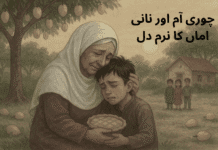
چوری آم اور نانی اماں کا نرم دل – ایک سبق آموز کہانی

0
"The Stolen Mangoes and the Kind Grandmother – Moral Story for Kids in Urdu and English"

چوری آم اور نانی اماں کا نرم دل – ایک سبق آموز کہانی

اردو کہانی

گرمیوں کی دوپہر تھی۔ گاؤں کے بچے ایک بڑے آم کے درخت کے نیچے جمع تھے۔ فضا میں پکے ہوئے آموں کی خوشبو پھیلی ہوئی تھی، اور سب جانتے تھے کہ سب سے میٹھے آم نانی اماں کے ہوتے ہیں۔

نانی اماں ہر سال سب سے پکے اور خوبصورت آم چُن کر ان پر سرخ ربن باندھ دیتی تھیں۔ وہ بچوں سے کہتیں: “جمعے کو آنا، ہر بچے کو ایک آم ملے گا!” ان کی شفقت اور محبت پورے گاؤں میں مشہور تھی۔

مگر اس سال حمزہ اور بلال آموں کی لالچ میں آگئے۔ آموں کو جھومتے دیکھ کر بلال نے کہا، “بس ایک لے لیتے ہیں، کسی کو پتا نہیں چلے گا”۔

شام کو وہ چپکے سے درخت پر چڑھے اور دو بڑے آم چرا لیے۔ ہنستے ہوئے اپنے گھروں کو بھاگ گئے، یہ سوچے بغیر کہ ان کے اس عمل کا انجام کیا ہوگا۔

اگلی صبح نانی اماں نے آم گنے تو دو غائب تھے۔ ربن کے ٹکڑے درخت پر لٹک رہے تھے۔ مگر انہوں نے کچھ نہ کہا۔ ان کے چہرے پر وہی نرمی اور شفقت تھی۔

جمعے کے دن انہوں نے حسبِ معمول سب بچوں کو آم بانٹے، حتیٰ کہ حمزہ اور بلال کو بھی۔ وہ مسکرا کر بولیں: “یاد رکھو، جو چیز ایمانداری سے حاصل ہو، وہی سب سے میٹھی ہوتی ہے۔”

حمزہ کو آم کا ذائقہ اب اتنا میٹھا محسوس نہیں ہوا۔ بلال نے شرمندگی سے نظریں جھکا لیں۔ رات دونوں بے چین رہے، نیند نہ آئی۔

اگلی صبح وہ دونوں نانی اماں کے دروازے پر پہنچے۔ آنکھوں میں آنسو لیے بولے: “ہم نے آم چرائے، ہمیں معاف کر دیں”۔

نانی اماں نے ان کے سر پر ہاتھ رکھا اور نرمی سے کہا: “سچ بولنے والوں کو معافی ضرور ملتی ہے۔ لیکن یاد رکھو، اعتماد ایک بار ٹوٹ جائے تو دوبارہ جمانے میں وقت لگتا ہے”۔

اس دن کے بعد حمزہ اور بلال نے کبھی چوری نہیں کی۔ وہ ہر سال نانی اماں کے ساتھ آم توڑنے میں مدد کرتے، اور نانی اماں انہیں اپنے دل سے انعام دیتیں۔

سبق: یہ کہانی ہمیں سچائی، ایمانداری، اور معافی کی طاقت سکھاتی ہے۔ نرمی اور شفقت دلوں کو بدلنے کی طاقت رکھتی ہیں۔

The Stolen Mangoes and the Kind Grandmother – Full English Story

The Stolen Mangoes and the Kind Grandmother is a beautiful moral story that teaches children honesty, truthfulness, and the power of forgiveness.

It was a hot summer afternoon. Children from the village had gathered under a large mango tree. The sweet scent of ripe mangoes filled the air, and everyone knew the tastiest mangoes belonged to Nani Amma.

Every year, Nani Amma would carefully select the ripest and juiciest mangoes and tie red ribbons around them. She’d always say to the children, “Come on Friday, each one of you will get a mango!” Her kindness and love were famous in the entire village.

But this year, Hamza and Bilal couldn’t resist the temptation. Watching the red-ribboned mangoes swaying in the wind, Bilal whispered, “Let’s just take one. No one will find out.”

As the sun began to set, they quietly climbed the tree and stole two big mangoes. Laughing, they ran back home, unaware of the consequences of their actions.

The next morning, Nani Amma noticed two mangoes were missing. The torn red ribbons still hung on the branches. She said nothing. Her face remained soft and calm.

On Friday, she gave mangoes to all the children as usual—even to Hamza and Bilal. With a gentle smile, she said, “Remember, what’s earned honestly always tastes sweeter.”

Hamza didn’t find the mango very sweet anymore. Bilal looked down in shame. That night, they were restless and couldn’t sleep.

The next morning, both boys went to Nani Amma’s house. With tears in their eyes, they confessed, “We stole the mangoes. Please forgive us.”

Nani Amma placed her hand on their heads and replied softly, “Those who tell the truth always earn forgiveness. But remember, broken trust takes time to rebuild.”

From that day on, Hamza and Bilal never stole again. Each year, they helped Nani Amma pick mangoes, and she rewarded them with her love and trust.

Moral: This story teaches us about honesty, truth, and the power of forgiveness. Kindness can heal hearts and change lives.

Read more Truth & Honesty Stories

Explore more moral stories on Britannica Kids

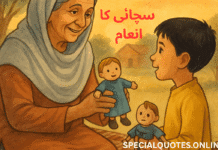
سچائی کا انعام – نانی اماں کی سبق آموز کہانی

0

Sach Bolne Ki Kahani – نانی اماں کی سبق آموز کہانی


Sach Bolne Ki Kahani is a heartwarming Urdu moral story that teaches children the importance of truth and honesty through the gentle wisdom of Nani Amma.

Sach Bolne Ki Kahaniمکمل اردو کہانی

علی ایک سچا اور نیک دل بچہ تھا۔ ایک دن وہ نانی اماں کے باغ میں کھیل رہا تھا جب ایک مہنگی گلدان زمین پر گرا اور ٹوٹ گیا۔ علی ڈر گیا لیکن سچ بولنے کا فیصلہ کیا۔

“نانی اماں نے پوچھا، “یہ کس نے کیا؟” علی نے نظریں جھکا کر کہا، “میں نے کیا نانی اماں، غلطی سے گلدان ٹوٹ گیا۔

“نانی اماں مسکرائیں اور پیار سے علی کے سر پر ہاتھ رکھا۔ “بیٹا، سچ بولنے والے بچے اللہ کو بہت پسند ہوتے ہیں۔

“انہوں نے نہ صرف علی کو معاف کیا بلکہ اسے چاکلیٹ بھی دی اور کہا، “یاد رکھو، سچ ہمیشہ سکون دیتا ہے۔

 ہمیں سکھاتی ہے کہ ایمانداری ایک قیمتی خوبی ہے، اور سچائی کا انعام ہمیشہ ملتا ہے۔

:نتیجہ

سچ بولنے سے دل کو سکون ملتا ہے اور اعتماد قائم ہوتا ہے۔ بچوں کو بچپن سے سچ بولنے کی عادت ڈالنی چاہیے۔


English Version – The Reward of Truth: A Powerful Moral Story

Sach Bolne Ki Kahani means “Story of Telling the Truth.” It’s a short and meaningful moral tale for children.

Ali was an honest little boy. One day, while playing in his grandmother’s garden, he accidentally broke a beautiful flower vase. Scared but brave, he decided to tell the truth.

When Nani Amma asked, “Who broke the vase?” Ali replied, “I did it, Nani Amma. I’m sorry.”

She smiled warmly and hugged him. “Truthful children are loved by Allah. I’m proud of you.”

She forgave him and even gave him a chocolate as a reward for his honesty.

Sach Bolne Ki Kahani reminds us that honesty is a great virtue and telling the truth brings inner peace and reward.

Moral of the Story:

Always speak the truth. It builds trust and wins hearts. Teach children the value of honesty from a young age.


🔗 Useful Links


📷 Featured Image

Sach Bolne Ki Kahani – Urdu Moral Story for Kids

Sad Quotes That Touch the Heart

1
Sad quotes about life, love and pain with deep meanings and healing guidance
Find comfort in these profound sad quotes about life, love, and pain

Sad Quotes – Find Comfort & Healing Through Powerful Words

Sad quotes speak to the heart when words fail. Whether you’re feeling lost, betrayed, or quietly battling your own thoughts, the right quote can offer a sense of connection and relief. In this curated collection of 100+ sad quotes about life, love, and pain, we bring you powerful words from legendary poets, writers, and thinkers who understood the depths of human sorrow.

These emotional quotes are more than just words—they’re companions in your darkest moments. From Rumi’s mystical wisdom to Sylvia Plath’s raw honesty, from Oscar Wilde’s elegant melancholy to Emily Dickinson’s quiet despair, each quote comes with the story of the person who wrote it and what their words truly mean.

Whether you’ve been hurt in love, lost someone dear, or are simply feeling life’s heavy burden, you’re not alone. Scroll through to find quotes that help you release your sorrow and begin to heal.

Don’t forget to check our other collections like motivational quotes, life quotes, and love quotes in Urdu for a complete emotional journey.

Why Sad Quotes Help: The Psychology of Emotional Validation

You might wonder: why do sad quotes bring comfort instead of making us feel worse? The answer lies in psychological validation. When we read a quote from Rumi or Sylvia Plath that perfectly captures our pain, our brain experiences what psychologists call “emotional resonance.” We realize: “Someone else—someone brilliant, creative, celebrated—has felt this exact way. I’m not alone. I’m not broken.”

Research in grief counseling and emotional psychology shows that naming our emotions—putting feelings into words—reduces their intensity. When Leonardo da Vinci wrote “Tears come from the heart, not from the brain,” he wasn’t just being poetic. He was describing how emotional responses operate independently of rational thought, a fact modern neuroscience has confirmed.

The writers featured here—poets, novelists, philosophers—dedicated their lives to understanding and articulating human emotion. Their words carry weight not just because they’re beautifully written, but because they come from lived experience. Rumi understood spiritual longing. Sylvia Plath knew depression intimately. Oscar Wilde experienced social rejection. Their authority makes their comfort more powerful.

This collection isn’t about wallowing in sadness—it’s about honoring your emotions as a necessary step toward healing. These quotes help you feel less alone, validate your experience, and gently remind you that others have survived similar pain and found their way forward.

💫 Quick Jump to Your Feelings

Navigate through our deeply touching Sad Quotes categories. Tap below to explore love, life, grief, and healing sections instantly.

💔 Sad Quotes About Love & Heartbreak

Love is supposed to bring joy, yet heartbreak is one of life’s most universal pains. These quotes from legendary poets and writers capture the complex emotions of unreturned love, betrayal, and the ache of missing someone who’s no longer yours. Each quote below includes deep context about the author and what their words truly mean.

“The wound is the place where the Light enters you.”
— Rumi

About Rumi (1207-1273)

Jalāl al-Dīn Muḥammad Rūmī was a 13th-century Persian poet, Islamic scholar, and Sufi mystic whose works transcended religious boundaries. Born in present-day Afghanistan, Rumi wrote over 70,000 verses of poetry, primarily in Persian. His works explore divine love, spiritual longing, and the transformation that comes through suffering. He founded the Mevlevi Order of Sufism, known for their whirling dervish meditation.

What This Quote Really Means

Rumi presents heartbreak not as pure destruction, but as a sacred opening. When your heart breaks, it creates cracks through which wisdom, compassion, and spiritual understanding can enter. The “Light” he refers to is both divine grace and deeper self-awareness. Your pain isn’t meaningless—it’s transformative. The very wound that feels like it’s destroying you is actually creating space for you to become more fully human, more deeply compassionate.

This isn’t toxic positivity saying “everything happens for a reason.” Rather, Rumi acknowledges that suffering is real and painful, while suggesting we can find meaning within it. The broken heart becomes a sacred wound, a portal to growth that couldn’t exist without the breaking.

Healing Application: When heartbreak feels overwhelming, try reframing it as Rumi suggests: “This pain is opening me. What am I learning about love, about myself, about what I truly need?” Journal about the “light” entering through your wound—perhaps greater self-knowledge, clearer boundaries, or deeper empathy for others who suffer.
“Love one another, but make not a bond of love: Let it rather be a moving sea between the shores of your souls.”
— Khalil Gibran

About Khalil Gibran (1883-1931)

Khalil Gibran was a Lebanese-American writer, poet, and visual artist, best known for his book “The Prophet” (1923), which has been translated into over 100 languages. Born in Lebanon, he emigrated to the United States where he became a literary bridge between Eastern and Western thought. His work blends mysticism, romanticism, and philosophical depth, exploring themes of love, freedom, and the human condition.

The Wisdom in This Quote

Gibran addresses a fundamental cause of heartbreak: possessive love. This quote from “The Prophet” warns against turning love into ownership—when we try to bind another person to us, we suffocate both them and ourselves. Healthy love, he suggests, is like a sea between two shores: connected yet allowing space, fluid rather than rigid, dynamic rather than possessive.

Many heartbreaks stem from expectations that our partner will complete us, belong to us, or never change. Gibran teaches that true love honors the other person’s autonomy and growth, even when it’s painful for us. The sadness comes when we realize we’ve been trying to cage someone who needed to fly—or when someone tried to cage us.

Healing Application: If you’re grieving a relationship, ask yourself: “Was I trying to hold on too tightly? Did I allow them freedom to be themselves? Did they allow me mine?” This isn’t about blame—it’s about understanding. Future relationships benefit when we learn to love with open hands rather than clenched fists.
“I have the choice of being constantly active and happy or introspectively passive and sad. Or I can go mad by ricocheting in between.”
— Sylvia Plath

About Sylvia Plath (1932-1963)

Sylvia Plath was an American poet, novelist, and short-story writer, known for her confessional style and exploration of mental illness, identity, and death. She published “The Bell Jar” (1963) shortly before her death by suicide at age 30. Her raw honesty about depression, her tumultuous marriage to poet Ted Hughes, and her struggle with societal expectations make her voice especially powerful for those experiencing emotional pain. She won the Pulitzer Prize posthumously in 1982.

Understanding This Honest Confession

Plath describes the exhausting emotional pendulum that many people with depression or intense sensitivity experience. You can force yourself to be “constantly active and happy”—masking your pain, performing normalcy—but it’s depleting. Or you can surrender to “introspectively passive and sad”—honest but isolating. The third option—”ricocheting in between”—is the maddening middle ground where you oscillate wildly, never finding stability.

This quote resonates because it names an experience many people feel but rarely articulate: the impossibility of finding emotional equilibrium when sadness feels like your baseline. Plath isn’t offering solutions—she’s validating that sometimes, all available options feel impossible. There’s profound comfort in having someone acknowledge this truth.

Healing Application: If you relate to this quote, please know: Plath wrote from within untreated clinical depression. Modern understanding of mental health offers more options than she had. If you’re ricocheting between emotional extremes, this may signal a need for professional support—therapy, medication, or both. You don’t have to white-knuckle your way through alone.

😔 Sad Quotes About Life Struggles

Life’s weight isn’t always dramatic heartbreak or obvious loss. Sometimes it’s the quiet accumulation of disappointments, the exhausting effort of simply existing, or the loneliness of feeling misunderstood. These quotes from brilliant minds speak to those invisible battles—the ones you fight behind a smile, the ones that no one else sees.

“The heart was made to be broken.”
— Oscar Wilde

About Oscar Wilde (1854-1900)

Oscar Wilde was an Irish poet, playwright, and wit, known for his sharp observations on society, art, and human nature. Author of “The Picture of Dorian Gray” and plays like “The Importance of Being Earnest,” Wilde was celebrated for his clever wordplay and social commentary. His own life ended tragically—imprisoned for homosexuality, abandoned by society, he died in poverty and exile. His suffering lends weight to his observations about pain and beauty.

The Profound Simplicity

In just six words, Wilde captures a fundamental truth: heartbreak isn’t an aberration or failure—it’s part of the heart’s design. The capacity to love deeply, to care intensely, to connect profoundly necessarily includes the capacity to break. A heart that never breaks is a heart that never truly opened.

Wilde wrote this after experiencing his own devastating losses—social ruin, imprisonment, rejection by friends and family. He understood that the same openness that allows us to experience joy also exposes us to sorrow. The heart was made to feel, and feeling includes breaking. This isn’t pessimism; it’s acceptance of the full human experience.

Healing Application: Your broken heart isn’t evidence of weakness or poor judgment—it’s evidence that you loved, that you risked, that you lived fully. The breaking means your heart worked exactly as designed. As Leonard Cohen later echoed: “There is a crack in everything. That’s how the light gets in.”

“Behind every smile, there’s a story you would never understand.”

— Anonymous

The Hidden Battle: This quote speaks to the invisible nature of emotional pain. Many people suffering from depression, anxiety, grief, or trauma become experts at hiding it. They smile, they function, they go through the motions—while internally battling storms no one sees. If you relate to this quote, know that your pain is valid even if it’s invisible to others.

“Tears come from the heart, not from the brain.”
— Leonardo da Vinci

About Leonardo da Vinci (1452-1519)

Leonardo da Vinci was an Italian Renaissance polymath—artist, scientist, inventor, and philosopher. Beyond his famous paintings like the Mona Lisa, Leonardo studied human anatomy and emotion extensively. This quote reflects his understanding that emotional responses operate independently of rational thought, a fact modern neuroscience has confirmed.

The Wisdom in This Quote

Da Vinci observed that we can’t logic our way out of sadness. Tears aren’t a weakness of the mind—they’re the heart’s honest expression. You can intellectually understand why something happened, why it’s for the best, why you should move on, yet still cry. That’s because emotional processing works on a different timeline than intellectual understanding.

Healing Application: Give yourself permission to feel without needing to explain or justify. Your tears are valid even if your mind says “this shouldn’t hurt” or “I should be over this.” Healing involves both heart and head, and they move at different paces.

💬 Short Sad Quotes That Say a Lot

Sometimes the most powerful expressions of pain are the briefest. These short sad quotes from literary masters pack enormous emotional weight into just a few words. Their simplicity makes them perfect for sharing, journaling, or simply holding in your heart when words feel too heavy.

“I can bear any pain as long as it has meaning.”
— Haruki Murakami

About Haruki Murakami (1949-present)

Haruki Murakami is a contemporary Japanese writer known for surreal, melancholic novels exploring loneliness, loss, and the search for meaning. His works like “Norwegian Wood” and “Kafka on the Shore” blend magical realism with deep emotional truths about human suffering and connection.

The Search for Meaning

Murakami identifies what makes suffering unbearable: not the intensity of pain, but its apparent meaninglessness. We can endure almost anything if we understand why, if it serves a purpose, if something good might come from it. But senseless suffering—pain that serves no purpose, teaches no lesson, leads nowhere—that breaks us.

This quote offers both comfort and challenge. If you’re suffering, the path through isn’t denying the pain but finding or creating meaning within it. What is this teaching you? How might you use this experience to help others? What strength are you discovering?

“I am not what happened to me, I am what I choose to become.”
— Carl Jung

About Carl Jung (1875-1961)

Carl Gustav Jung was a Swiss psychiatrist and psychoanalyst who founded analytical psychology. His work on the collective unconscious, archetypes, and the shadow self profoundly influenced psychology, literature, and philosophy. Jung himself experienced a severe psychological crisis in midlife, emerging with deeper insights about the human psyche and the integration of pain into personal growth.

The Power of Choice

Jung’s quote speaks to personal agency in the face of trauma and loss. Your past—all the things that happened to you, all the ways you’ve been hurt—shaped you but doesn’t define you. The sadness you feel from past events is real, but it’s not your entire story. You have the power to choose what you become despite or even because of what happened.

This isn’t toxic positivity suggesting you should just “get over it.” Jung spent years exploring his own darkness and believed deeply in the necessity of facing pain. Rather, he’s saying that after you’ve done that work, you get to decide: Will this trauma be my prison or my teacher? Will this loss destroy me or deepen me?

Healing Application: Complete this sentence: “What happened to me was _____, but I am choosing to become _____.” For example: “What happened to me was heartbreak, but I am choosing to become someone who loves wisely and guards my peace.” Your pain is real AND you have agency.

“Even the strongest hearts break.”

— Anonymous

Strength and Vulnerability: Being strong doesn’t mean being invincible. The strongest people still cry, still hurt, still break. This quote is permission to be human—to acknowledge that your pain doesn’t negate your strength. In fact, continuing forward despite a broken heart is one of the truest demonstrations of strength.

Share on Twitter |
Share on Facebook |
Pin it

🕊️ Sad Quotes About Death and Grief

Grief is perhaps the deepest form of sadness—the pain of permanent loss. These quotes from those who’ve experienced profound loss speak to anyone who’s lost someone they love, offering both acknowledgment of the pain and gentle reminders that love persists beyond death.

“Unable are the loved to die. For love is immortality.”
— Emily Dickinson

About Emily Dickinson (1830-1886)

Emily Dickinson was an American poet who lived most of her life in reclusive isolation in Amherst, Massachusetts. She wrote nearly 1,800 poems, most unpublished during her lifetime, exploring themes of death, immortality, nature, and the inner life. Her unconventional punctuation and slant rhymes created a unique voice that captures the complexity of human emotion. Dickinson experienced multiple losses—friends, family members—and death became a central theme in her work.

Love That Transcends Death

Dickinson presents a radical idea: those we love cannot truly die because love itself is a form of immortality. Not in a religious afterlife sense necessarily, but in the way that our love keeps them alive within us. They live in our memories, our habits learned from them, our values shaped by them, the ways we see the world through lessons they taught us.

This quote offers profound comfort: death takes their physical presence but cannot touch the love itself. That love—and therefore some essential part of them—remains immortal in you. Your grief is the price of that continuing love, and in a strange way, the pain proves they’re still with you.

For Those Grieving: Honor the ways your loved one lives on in you. What did they teach you? What do you do differently because you knew them? How has their love shaped who you are? These aren’t just memories—they’re the immortal part Dickinson describes. You carry them forward.

“Death leaves a heartache no one can heal, love leaves a memory no one can steal.”

— Irish Proverb

Ancient Wisdom on Loss: This Irish proverb, passed down through generations, captures two eternal truths about loss. First, it acknowledges that grief cannot be “fixed”—the heartache from losing someone you love is permanent. There’s no cure, no timeline, no magic words that make it go away. But the second half offers profound comfort: while death took their physical presence, it cannot take your memories, your love, or the impact they had on your life.

“Grief is the price we pay for love.”
— Queen Elizabeth II

About Queen Elizabeth II (1926-2022)

Queen Elizabeth II spoke these words after the September 11, 2001 attacks, offering comfort to grieving Americans. Having experienced profound personal losses throughout her long life—including the death of her father King George VI, her husband Prince Philip, and many others—she understood grief intimately. Her seven-decade reign was marked by dignity, duty, and a deep understanding of human suffering.

The Wisdom in This Quote

This quote reframes grief not as a punishment or weakness, but as the inevitable cost of loving deeply. If we never loved, we’d never grieve—but who would choose that emptiness? The depth of our grief reflects the depth of our love. In this way, grief is both painful and holy—it’s the price we willingly pay for having experienced love.

The Queen understood that trying to avoid grief by avoiding love is the true tragedy. Your pain right now is proof that you loved well. Would you trade away the relationship to avoid this grief? Most people, even in their deepest pain, say no. The love was worth the price.

Reframing Grief: When grief feels overwhelming, remind yourself: this pain is proof of love. You’re not broken for grieving—you’re human. The love you shared was real, precious, and worth every tear you now shed. Grief is love’s tribute.

🌱 How to Use Sad Quotes for Healing

Sad quotes aren’t just for passive reading—they can be active tools in your healing journey. Here’s how to use them therapeutically:

1. Journaling with Quotes

Choose a quote that resonates with your current emotional state. Write it at the top of a journal page, then free-write about why it speaks to you. What specifically in your life does this quote reflect? When Rumi says “The wound is the place where the Light enters you,” what wound are you experiencing? What light might be entering?

2. Finding Community Through Shared Experience

Share quotes that resonate on social media or with trusted friends. When you post Sylvia Plath’s words about ricocheting between emotions, you’re inviting connection. Often, others will reach out saying “me too,” breaking the isolation that sadness creates. You’re not seeking attention—you’re seeking understanding, which is a fundamental human need.

3. Creating Emotional Bookmarks

Save quotes that help you feel understood. Return to them on difficult days. They become emotional anchors—reminders that Oscar Wilde, Emily Dickinson, Rumi, and countless others have survived what you’re experiencing. If people that brilliant and sensitive could endure and even create beauty from their pain, perhaps you can too.

4. Meditation and Embodied Reflection

Sit quietly with a quote. Read Khalil Gibran’s words about love being “a moving sea” slowly, multiple times. Notice where you feel it in your body. Does your chest tighten? Do tears come? This somatic awareness helps you connect intellectual understanding with embodied emotion, which is crucial for deep healing.

5. Permission to Feel

Use sad quotes as permission slips for your emotions. When society says “be strong” or “move on,” Oscar Wilde says “the heart was made to be broken.” That’s permission. Your sadness isn’t weakness—it’s the human heart working exactly as designed.

When to Seek Additional Support

While sad quotes can be comforting companions in sadness, they’re not substitutes for professional help when needed. If your sadness persists for weeks, interferes with daily functioning, includes thoughts of self-harm, or feels overwhelming, please reach out to a mental health professional.

Remember that Sylvia Plath, despite her brilliant insights, struggled with untreated clinical depression. We now have resources she didn’t have access to. Therapy, support groups, and sometimes medication can provide structured support that quotes alone cannot.

Resources: National Suicide Prevention Lifeline (988 in the US), Crisis Text Line (text HOME to 741741), or contact a local therapist or counselor. Healing is brave, and asking for help is strength, not weakness.

Final Thoughts: Honoring Your Sadness

Sadness is not weakness. It’s proof of your humanity, your capacity for love, and your courage to keep living despite pain. The quotes in this collection—from Rumi’s mystical wisdom to Sylvia Plath’s raw honesty, from Oscar Wilde’s elegant insights to Emily Dickinson’s quiet profundity—aren’t meant to erase your sadness. They’re meant to accompany you through it.

These writers understood that the human experience includes both joy and sorrow, connection and loss, hope and despair. They didn’t shy away from darkness—they explored it, named it, and transformed it into art. In doing so, they created lanterns for the rest of us walking through similar darkness.

Whether you’re heartbroken, grieving, disappointed, or simply tired of carrying life’s weight, know that your feelings matter. You don’t have to justify your tears, explain your pain, or apologize for not being okay. Healing isn’t linear. Some days you’ll feel strong; others, you’ll barely function. Both are valid parts of the journey.

These sad quotes are here for you—companions in darkness, validation when you feel alone, and gentle reminders that countless others, including some of history’s most brilliant minds and hearts, have walked this path and survived. You will too. Not by avoiding the sadness, but by moving through it with compassion for yourself.

Remember: it’s okay to not be okay. And it’s okay to be sad.

📝 More Emotional Quote Collections

🌙 Read our full collection of Sad Urdu Shayari 2025 with Roman Urdu and English translation.

Last Updated: January 2026 | Word Count: 3,200+ words

This comprehensive guide to sad quotes features wisdom from Rumi, Khalil Gibran, Oscar Wilde, Sylvia Plath, Emily Dickinson, and other literary masters, combining emotional validation with practical healing strategies for those experiencing sadness, heartbreak, or grief.

Best Urdu Quotes for 2025 – Life, Emotions & Wisdom

0

Urdu Quotes are a beautiful expression of emotions, thoughts, and wisdom conveyed through the elegance and depth of the Urdu language. Known for its poetic charm and rich literary  tradition,  Urdu  allows  even  simple  words  to carry  deep meanings and powerful emotions. Urdu  quotes  often  touch  on themes like love, life, patience, respect, pain, and spirituality—offering  profound  lessons  in just a  few lines.  Whether  drawn  from poetry, philosophy, or everyday experiences, these quotes connect deeply with the heart and soul. They are especially  popular on  social media  and in  daily conversation for their ability to express complex feelings in a graceful and relatable way. Urdu quotes continue to inspire people across generations, preserving cultural beauty while offering timeless wisdom.

بے عزتی کا جواب اتنی عزت سے دو کہ سامنے والا خودہی شرمندہ ہوجائے۔

Roman Urdu: Be-izzati ka jawab itni izzat se do ke samne wala khud sharminda ho jaye.

English: Reply to insult with such grace that it embarrasses the other person.

🧠 A powerful lesson in humility—kindness can disarm negativity better than revenge.

بدلنا کون چاہتا ہے، لوگ مجبور کر دیتے بدلنے کے لیے۔

Roman Urdu: Badalna kaun chahta hai, log majboor kar dete hain badalnay ke liye.

English: No one wants to change—people force you to change.

🧠 A reminder that environment and people often shape who we become.

کسی کو غلط سمجھنے سے پہلے اس کے حالات سمجھو

Roman Urdu: Kisi ko ghalat samajhnay se pehle us ke halaat samjho.

English: Before judging someone, try to understand their situation.

🧠 Empathy is the key to true understanding and kindness.

مذہب کے نام پر لوگ اتنی عبادت نہیں کرتے جتنی نفرت کے کرتے ہیں

Roman Urdu: Mazhab ke naam par log itni ibadat nahi karte jitni nafrat karte hain.

English: In the name of religion, people often spread more hate than worship.

🧠 A deep reflection on how faith is sometimes misused instead of honored.

پیٹ اور غرور بڑھ جائے تو اپنوں کو گلے لگانا مشکل ہو جاتا ہے

Roman Urdu: Pait aur ghuroor barh jaye to apno ko galay lagana mushkil ho jata hai.

English: When pride and greed grow, embracing loved ones becomes difficult.

🧠 True richness lies in humility, not ego.

عورت کو عزت رب نے تحفے میں دی ہے اور مرد کو کمانی پڑتی ہے۔

Roman Urdu: Aurat ko izzat Rab ne tohfay mein di hai, aur mard ko kamayni parti hai.

English: A woman is gifted respect by God; a man must earn it.

🧠 Highlights the divine value placed on women in society.

غلطی اسی سے ہوتی ہے جو محنت کرتا ہے، نکموں کی زندگی تو دوسروں کی غلطیاں نکالنے میں گزرجاتی ہے

Roman Urdu: Ghalti usi se hoti hai jo mehnat karta hai, nikammay sirf doosron ki ghaltiyan nikalte hain.

English: Only those who work hard make mistakes—lazy people just find faults in others.

🧠 Mistakes are proof you’re trying. Criticism is often a shield for inaction.

!دنیا کا سب سے مشکل کام اپنے کام سے کام رکھنا ہے

Roman Urdu: Duniya ka sab se mushkil kaam apne kaam se kaam rakhna hai!

English: The hardest task in this world is to mind your own business!

🧠 A humorous truth about human nature and social interference.

عادتیں نسلوں کا پتہ دیتی ہیں، ماتھے پہ کسی کے کچھ نہیں لکھا ہوتا

Roman Urdu: Aadatein naslon ka pata deti hain, maathe pe kuch likha nahi hota.

English: Habits reveal generations—nothing is written on the forehead.

🧠 A quote that reminds us that appearances are deceiving—watch actions, not looks.