












Home Islamic Stories Islamic Stories for Children

Islamic Stories for Children

📖 Islamic Stories for Children: Moral Tales & Character Building

Islamic Stories for Children represent timeless wisdom, moral lessons, and spiritual guidance crafted specifically for young minds. Our comprehensive collection of Islamic stories for kids with moral teachings and character lessons offers parents, educators, and caregivers access to engaging tales that instill Islamic values while entertaining and educating children. These aren’t just bedtime stories—they’re carefully selected narratives designed to shape character, teach ethics, and build a foundation of Islamic knowledge and spiritual awareness.

In a world of unlimited screens and fast-paced entertainment, Islamic stories for children offer something precious: timeless wisdom, meaningful values, and genuine character development. These stories have educated Muslim children for generations, passed down through families and communities because they work. A child who grows up hearing these stories doesn’t just know Islamic facts—they internalize values like kindness, honesty, courage, and faith in ways that textbooks cannot teach.

Why Islamic Stories Matter for Child Development

Research and tradition both confirm the power of storytelling in raising good children:

  • 🧠 Brain Development: Stories engage children’s brains differently than direct instruction. Narrative activates imagination, memory, and emotional understanding. A child who hears a story about kindness doesn’t just learn the concept—they visualize it, feel it, and remember it.
  • 💪 Character Foundation: Islamic stories explicitly model virtues. Children see characters facing challenges and choosing right action. They learn that good character isn’t abstract—it’s choosing honesty when lying is easier, showing courage when afraid, practicing patience when frustrated.
  • 🌍 Cultural Identity: For Muslim children, these stories connect them to Islamic heritage and tradition. They answer important questions: “What does Islam teach? What did the Prophet do? How should I act?” Stories provide answers children can understand and remember.
  • ❤️ Emotional Intelligence: Stories address real emotions and moral dilemmas. A child hears about Prophet Muhammad’s kindness and learns how to treat others. They hear about companions’ patience and understand how to endure difficulty. Stories develop emotional wisdom.
  • 📖 Language & Literacy: Hearing stories expands vocabulary, improves comprehension, and develops appreciation for language. Children who grow up with stories become better readers and communicators.
  • 👨‍👩‍👧 Family Bonding: Sharing stories creates moments of connection between parent and child. These become precious memories while transmitting values. Stories are family tradition.
  • 🎯 Values Transmission: Parents naturally worry: “How do I teach my children my values?” Stories are the answer. They’re enjoyable enough that children listen willingly, memorable enough to stay with them, and powerful enough to genuinely shape character.

Types of Islamic Stories for Children

Islamic stories for children take many forms, each with unique value:

  • 📖 Prophet Stories: Tales of the prophets—Adam, Noah, Abraham, Moses, Jesus, and Muhammad—and their journeys. These stories teach spiritual lessons and show examples of faith, patience, and trust in Allah.
  • 👥 Companion Tales: Stories of the Prophet’s companions—their devotion, their sacrifices, their character. Young children see real people living Islamic values, which makes values feel achievable.
  • ⚡ Miracle Stories: Tales of divine intervention and miraculous events. These build faith and wonder, helping children understand that Allah is always present and powerful.
  • 💪 Virtue Stories: Narratives specifically designed to teach a virtue: kindness to animals, honesty with parents, courage in difficult situations, patience when things don’t go your way. Direct but engaging.
  • 🌙 Quranic Stories: Tales found in the Quran, retold for children’s understanding. These connect children to the actual scripture and its stories.
  • 🏆 Historical Tales: Stories from Islamic history showing how Muslims built civilizations, treated others fairly, pursued knowledge, and contributed to human progress.
  • ⚖️ Moral Dilemma Stories: Tales that present a situation requiring ethical choice. Children think through: “What should this character do? What would I do?” This develops moral reasoning.
  • 🎁 Inspirational Tales: Stories of people overcoming challenges through faith, perseverance, and good character. These build resilience and hope.
  • 🕌 Cultural Stories: Tales that celebrate Islamic culture, customs, and traditions while explaining their meaning and significance.
  • 🌟 Wisdom Tales: Simple stories with profound lessons about life, relationships, and wisdom. Often enjoyed at different levels by children of different ages.

How Islamic Stories Shape Character

The mechanism is beautifully simple but profoundly powerful:

  • Identification: Children identify with story characters. “That character is like me.” This emotional connection opens them to the character’s lessons.
  • Observation: Children observe the character making choices and facing consequences. They see what happens when someone is honest, unkind, brave, or cowardly. They learn cause and effect in moral behavior.
  • Internalization: Through repetition and emotional resonance, the lesson becomes internal. The child doesn’t just know honesty is good—they feel it. They imagine themselves in similar situations, choosing honestly.
  • Practice: Armed with this internalized understanding, children practice the virtue in their own lives. A child who heard stories about kindness naturally treats others with more kindness.
  • Identity Formation: Over time, virtues become part of how children see themselves. “I’m someone who is kind. I’m someone who is honest.” Identity becomes aligned with Islamic values.

Age-Appropriate Storytelling

Different ages appreciate different stories:

  • Ages 2-4 (Toddlers): Simple, short stories with vivid characters and clear morals. Repetition is good. Picture-driven if possible. Attention span is brief but impact is real.
  • Ages 5-7 (Early Elementary): Longer stories with adventure, excitement, and clear virtues. Stories can have mild conflict and resolution. Characters feel real to children this age.
  • Ages 8-12 (Middle Elementary): Complex stories with depth, multiple characters, and nuanced morals. These children appreciate history, logic, and stories with layers of meaning.
  • Ages 13+ (Teens): Stories addressing adolescent questions: identity, friendship, right and wrong under pressure, finding purpose. Teens need stories that respect their developing judgment.

How to Share These Stories Effectively

Storytelling is a skill that improves with practice:

  1. Create Atmosphere: Tell stories when both you and children are calm and comfortable. Bedtime, car rides, after meals—whenever attention is available and distractions are minimal.
  2. Use Voices & Expression: Bring characters alive through different voices and facial expressions. Children’s engagement increases dramatically when storytelling is animated.
  3. Encourage Questions: When children ask questions, answer them. These questions show they’re engaged and thinking. They’re learning.
  4. Allow Silence: After a story, sit quietly. Let children absorb and reflect. Not every story needs discussion—some need quiet contemplation.
  5. Repeat Favorites: Children love repetition. The same story told many times becomes deeper each time. Don’t avoid repeating stories children love.
  6. Make it Interactive: Ask children what they would do. “What should this character have done?” Discussions deepen learning.
  7. Connect to Life: When you see a child facing a situation like a story, reference the story. “Remember when the character was afraid and found courage? You’re being brave too.”
  8. Share Your Own Stories: Tell stories from your own life that illustrate Islamic values. Personal stories are powerful.

Frequently Asked Questions About Islamic Stories for Children (FAQ)

Q: At what age should I start telling Islamic stories?

A: Even very young children (age 2-3) can enjoy simple stories. Start with very short, simple tales and gradually increase complexity as children age. There’s no age too young to begin building an Islamic foundation through stories.

Q: Will my children really remember these stories?

A: Yes. Stories create strong memories, especially when repeated and emotionally engaging. Children who grow up with these stories carry them throughout life—referencing them, passing them to their own children.

Q: What if my children are more interested in other stories?

A: Islamic stories don’t have to replace other stories. They complement each other. A balanced diet includes Islamic stories, other quality literature, and developmentally appropriate entertainment.

Q: Do I need to be a great storyteller?

A: No. Even simple storytelling is powerful. Children care more about spending time with you and hearing good stories than about professional presentation. Authenticity matters more than performance.

Q: What if I don’t remember the stories well?

A: Use written versions as guides. Read them aloud if needed. Eventually, familiarity grows. Stories you tell many times become part of your memory.

Q: How do I handle difficult questions that arise from stories?

A: Answer honestly at the child’s level of understanding. “That character made a mistake” explains moral failure simply. Develop your own understanding of Islamic teachings so you can explain them naturally.

Q: Can teenagers enjoy Islamic stories?

A: Absolutely. Stories with teenage protagonists or stories addressing teenage concerns are powerful. Even “children’s stories” deepen as readers mature and understand layers of meaning they missed before.

Q: Should I only tell stories from Islamic tradition?

A: Islamic stories are essential, but good stories from other traditions that teach virtue also have value. The key is that Islamic stories form a strong foundation in Islamic values and identity.

Q: How do stories help with behavior problems?

A: Stories addressing specific challenges (sharing, honesty, anger, kindness) provide examples and language for discussing issues. A child who heard a story about honesty has framework for understanding its importance.

Q: What makes a story “Islamic”?

A: Islamic stories either come from Islamic sources (Quran, Hadith, Islamic history) or embody Islamic values (kindness, honesty, faith, patience). Both types have value in a Muslim child’s education.

The Lasting Impact of Islamic Stories

A child who grows up hearing Islamic stories about Prophet Muhammad’s kindness will likely be kinder. A child who hears about companions’ courage will likely face challenges more bravely. A child who learns through stories that Allah rewards honesty will likely be more honest. Stories work because they teach through identification and example rather than through rules and punishment.

Parents often worry: “How do I pass on my values to my children?” The answer, in large part, is through stories. Stories are the traditional, proven, effective way values are transmitted from generation to generation, from parent to child, from community to individual.

📖 A Reflection on Children’s Stories: There’s something sacred about sitting with a child and sharing a story. In that moment, you’re not just entertaining them—you’re shaping who they’ll become. You’re giving them heroes to admire, examples to follow, and values to build their lives around. A parent or teacher who tells Islamic stories to children is performing one of the most important duties of raising the next generation. These stories don’t just entertain a child’s evening—they shape their character, their choices, their entire journey. That’s the power of Islamic stories for children.

📖 Pro Tip: This week, choose ONE Islamic story that addresses something your child needs to learn or practice right now (kindness, honesty, bravery, patience). Tell it at bedtime or during a calm moment. Ask what your child thinks about the story. Let their insights emerge. Repeat it several times during the week. Watch how that one story plants seeds that grow into better behavior and stronger values.

Explore our complete Islamic Stories for Children collection below and gift your children the foundation of Islamic values and timeless wisdom. 📖✨

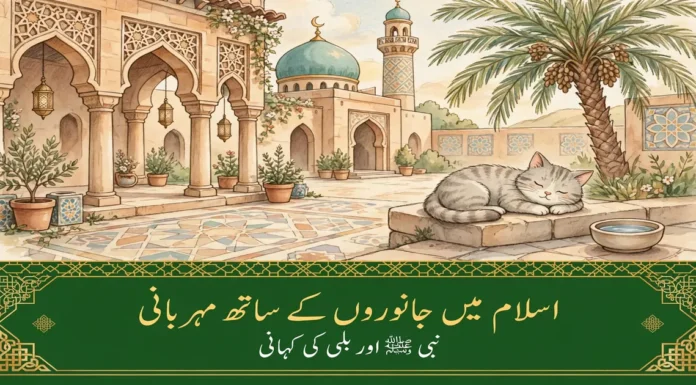
Inspiring Story of Kindness to Animals in Islam – The Cat and the Prophet ﷺ

Inspiring Story of Kindness to Animals in Islam – The Cat and the Prophet ﷺ
Inspiring Story of Kindness to Animals in Islam – The Cat and Prophet Muhammad ﷺINTRODUCTION Kindness to animals in Islam is not just a moral value; it is a core part of faith. Prophet Muhammad ﷺ taught his followers that mercy is rewarded by Allah,...

The Honest Little Boy – Islamic Story with Moral
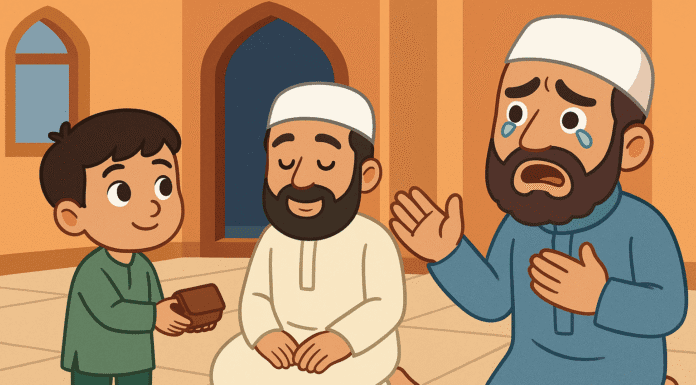
alt="Honesty Moral Story for Kids – Islamic lesson for children"
Honesty Moral Story for Kids – Ayaan and the Lost Purse Honesty Moral Story for Kids: In a peaceful little village surrounded by fields and farms, there lived a kind-hearted boy named Ayaan. He was well known for his good manners and truthfulness. One afternoon,...