











Home Kids Moral Stories

Kids Moral Stories

📖 Kids Moral Stories: Teaching Values Through Engaging Tales

Children learn best through stories. Our Kids Moral Stories collection is filled with short, engaging, and meaningful tales designed to teach essential values like honesty, kindness, courage, respect, hard work, compassion, and integrity. Each story is carefully crafted to be simple to read, fun to explore, and powerful in delivering timeless life lessons that shape character and build strong ethical foundations.

Whether you’re a parent looking for bedtime stories, a teacher searching for classroom resources, or a caregiver wanting to guide children with good values, these moral stories make learning enjoyable while instilling wisdom that lasts a lifetime. In today’s world of screens and distractions, these stories offer something irreplaceable: meaningful human connection through timeless tales.

Why Moral Stories Matter for Children

Research shows that stories are one of the most powerful teaching tools available to parents and educators:

  • Make Learning Memorable: Children remember lessons embedded in stories far longer than abstract moral lectures. A good story sticks with them for years.
  • Develop Empathy: Stories help children understand different perspectives, emotions, and consequences of actions. They develop emotional intelligence naturally.
  • Build Character: Unlike rules imposed from above, stories allow children to see why honesty, kindness, and courage matter. They internalize values rather than just obey them.
  • Encourage Critical Thinking: As children follow a story’s plot and consider characters’ choices, they learn to think critically about right and wrong, cause and effect.
  • Create Safe Learning Spaces: Stories let children explore difficult topics (fear, loss, failure, wrongdoing) in safe, controlled ways before encountering them in real life.
  • Strengthen Parent-Child Bonds: Reading stories together creates precious moments of connection, communication, and shared values.
  • Develop Language Skills: Listening to and reading stories naturally develops vocabulary, listening comprehension, and language fluency.
  • Provide Cultural & Traditional Wisdom: These stories carry wisdom from South Asian, Islamic, and universal traditions—honoring your heritage while teaching timeless principles.

The Values We Teach Through Our Stories

Our collection focuses on core values that matter across cultures and generations:

  • 🤍 Honesty & Truthfulness: Stories showing that integrity builds trust and leads to real happiness, even when the truth is difficult.
  • 💝 Kindness & Compassion: Tales of how small acts of kindness ripple outward and transform lives and communities.
  • 💪 Courage & Bravery: Stories of facing fears, standing up for what’s right, and finding strength in difficult moments.
  • 🙏 Respect & Gratitude: Learning to honor parents, elders, teachers, and those who help us; appreciating what we have.
  • 💼 Hard Work & Perseverance: Understanding that meaningful achievements come through effort, patience, and never giving up.
  • 🤝 Friendship & Cooperation: Stories about loyalty, teamwork, and the value of genuine friendships.
  • 🧠 Wisdom & Learning: Tales encouraging curiosity, education, and the lifelong pursuit of knowledge.
  • ⚖️ Fairness & Justice: Stories exploring what’s right, treating others fairly, and standing against wrongdoing.

Explore Kids Moral Stories by Category

We’ve organized our collection to make it easy for you to find stories that teach the values you want to emphasize:

💫 Honesty Stories

What’s Inside: Tales that show why telling the truth matters, even when it’s hard. These stories help children understand that honesty builds real relationships and that truth always has power.

Key Lesson: Children learn that while lying might seem to solve a problem temporarily, it creates bigger problems later. Honesty requires courage but creates trust and respect.

→ Read Full Honesty Stories Collection


❤️ Kindness Stories

What’s Inside: Beautiful stories about compassion, empathy, and how small acts of kindness create big changes. These stories celebrate the good in human nature and inspire children to be the change they want to see.

Key Lesson: Children learn that kindness is not weakness—it’s strength. They discover that helping others feels good, builds community, and makes the world better.

→ Read Full Kindness Stories Collection

How to Use These Stories With Your Children

For Parents:

  1. Bedtime Ritual: Read one story before bed. This creates a calm, bonding moment while planting moral lessons in their minds as they sleep.
  2. Discuss the Story: After reading, ask questions: “What did the character do? Was it right? What would you have done? What did we learn?” This deepens comprehension and reflection.
  3. Connect to Real Life: Say things like, “Remember the honesty story? That’s like when you…” This helps children see the connection between story lessons and their own experiences.
  4. Model the Values: Children learn values most from seeing adults live them. Show honesty, kindness, and courage in your own actions.
  5. Read Repeatedly: Don’t worry if your child wants the same story again and again. Repetition helps learning and allows deeper understanding each time.
  6. Let Stories Spark Conversation: “That character had a hard choice. Have you ever had to choose between easy and right?”
  7. Use Stories for Difficult Topics: If your child is struggling with fear, jealousy, or failure, finding a relevant story can open conversation safely.
  8. Make it Bilingual: Read Urdu stories to honor your heritage and help children develop language skills in both English and Urdu.

For Teachers:

  1. Circle Time Readings: Use stories as part of classroom morning meeting or circle time to set positive tone and values focus.
  2. Discussion Activities: Have children discuss characters’ choices, predict outcomes, and explore consequences.
  3. Creative Responses: Ask children to draw pictures, write endings, act out scenes, or create their own versions of stories.
  4. Character Education: Align stories with your school’s character education program (honesty week, kindness week, courage week).
  5. Diverse Perspectives: Use stories to celebrate South Asian, Islamic, and diverse cultural traditions and values.
  6. Address Behavior: When a child struggles with honesty or kindness, a relevant story can address the issue without shame or blame.
  7. Language Development: Use stories to build vocabulary, practice comprehension, and develop speaking skills through retelling.
  8. Family Connection: Send stories home with discussion questions so families can continue learning together.

Stories in English & Urdu

Our collection includes stories in both English and Urdu. Here’s why this bilingual approach matters:

  • 🌍 Honoring Heritage: Reading Urdu stories helps children stay connected to their cultural roots and family traditions.
  • 🧠 Language Development: Bilingual exposure supports cognitive development and helps children become fluent in both languages.
  • 👨‍👩‍👧‍👦 Family Engagement: Stories in Urdu allow grandparents and relatives who may not speak fluent English to participate in children’s learning.
  • 📖 Richer Understanding: Some concepts and values are expressed most beautifully in Urdu. Experiencing the story in its original language deepens meaning.
  • 🤝 Cross-Cultural Appreciation: Children learn to value and appreciate different languages, cultures, and ways of expressing universal truths.

How Moral Stories Support Child Development

Ages 3-5 (Preschool): Children enjoy simple, colorful stories with clear lessons and happy endings. Focus on kindness, sharing, listening, and basic manners.

Ages 5-8 (Early Elementary): Children can follow more complex plots with multiple characters. They’re developing conscience and can explore themes like honesty, fairness, and courage.

Ages 8-12 (Later Elementary): Children can understand more sophisticated stories with gray areas (right choices that are hard). They enjoy stories with adventure, humor, and relatable characters.

All Ages: Traditional tales and fables work across ages—younger children enjoy the surface story, while older children appreciate deeper lessons and irony.

Frequently Asked Questions About Moral Stories (FAQ)

Q: Will my child really learn values from stories, or do I need to give direct instructions?

A: Both matter. Direct instruction is important, but research shows children internalize values more deeply and remember them longer when they encounter them in stories. Stories make values memorable and allow children to see why they matter.

Q: What if my child doesn’t seem interested in the moral lesson?

A: That’s okay! Let them enjoy the story first. The lesson will sink in naturally, especially if they hear it again or see similar situations in real life. Don’t force morality—let it emerge through discussion and experience.

Q: Is it okay to repeat the same story over and over?

A: Absolutely! Repetition is how children learn. Each time they hear the story, they notice new details, understand it more deeply, and the lesson settles into their character more firmly.

Q: How do I talk about the story without sounding preachy?

A: Ask questions instead of lecturing. “What happened next?” “Why did he do that?” “What would you have done?” This invites their thinking rather than imposing yours.

Q: Can I adapt these stories or tell them in my own words?

A: Yes! Stories are meant to be shared and adapted. Your personal touch—telling it in your own words, adding details your child loves, making it relevant to their life—makes it even more powerful.

Q: Should I talk about the moral directly, or let children figure it out?

A: A combination works best. For younger children, gently guide. For older children, ask them what they learned. Some children will get it immediately; others need time and repetition.

Q: How do these stories relate to Islamic and cultural values?

A: Many of these stories reflect Islamic teachings (honesty, kindness, justice, patience, gratitude) and South Asian cultural values. They’re rooted in traditions that have guided families for generations.

Q: What if my child asks a difficult question the story raises?

A: That’s wonderful! That means the story engaged their mind. Answer honestly at a level they can understand. “That’s a great question. In this story… What do you think?”

Q: How long should moral stories be for young children?

A: For ages 3-6, 5-15 minutes is ideal. For ages 6-10, 15-30 minutes works. Attention spans vary—watch your child and adapt. A shorter story fully absorbed is better than a long story that loses them.

Q: Can stories actually change a child’s behavior?

A: Stories are powerful but not magical. They plant seeds. Real behavior change comes from repeated exposure, consistent modeling from adults, practice, and the passage of time. Be patient. Combined with your guidance, stories genuinely do influence character.

Browse Our Complete Kids Moral Stories Collection

Whether you’re parenting, teaching, or mentoring, our collection of moral stories is here to support your journey of guiding children toward becoming honest, kind, courageous, and wise people.

🌟 A Gentle Reminder for Parents & Teachers: Children are watching what you do more than what you say. The greatest gift we give them isn’t through stories alone—it’s through living the values we teach. When children see you being honest, kind, and courageous, that’s when the real learning happens. Stories plant seeds; your example makes them grow.

💡 Pro Tip for Maximum Impact: Create a “story ritual”—a special time each day when you read together, free from screens and distractions. This consistency, combined with discussion and connection, is when stories do their deepest work in shaping young hearts and minds.

Explore our collection below and discover the power of stories to shape character, inspire goodness, and guide children toward becoming the best versions of themselves. 📖❤️

The Value of Telling the Truth – A Lesson for Every Child

alt="honesty moral story for kids with life lesson"
Honesty Moral Story for Kids – Why Truth Always Wins Honesty moral stories for kids help shape the values of young minds. Children learn best through storytelling, and one of the most important values we can teach them is truthfulness. Telling the truth builds trust,...

چوری آم اور نانی اماں کا نرم دل – ایک سبق آموز کہانی
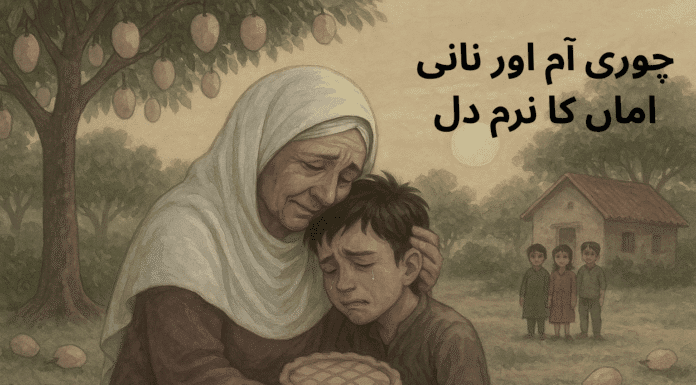
"The Stolen Mangoes and the Kind Grandmother – Moral Story for Kids in Urdu and English"
چوری آم اور نانی اماں کا نرم دل – ایک سبق آموز کہانیاردو کہانیگرمیوں کی دوپہر تھی۔ گاؤں کے بچے ایک بڑے آم کے درخت کے نیچے جمع تھے۔ فضا میں پکے ہوئے آموں کی خوشبو پھیلی ہوئی تھی، اور سب جانتے تھے کہ...

سچائی کا انعام – نانی اماں کی سبق آموز کہانی
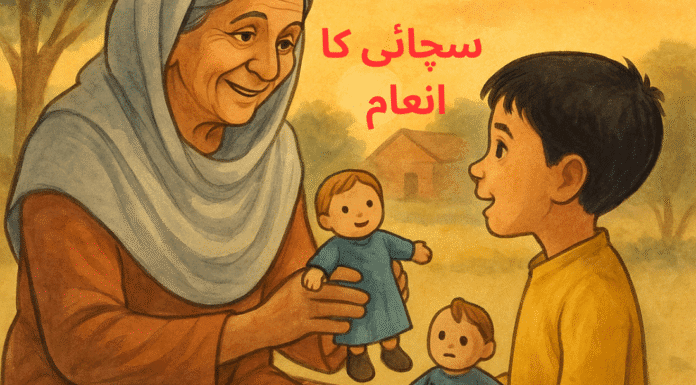
Sach Bolne Ki Kahani – نانی اماں کی سبق آموز کہانی  Sach Bolne Ki Kahani is a heartwarming Urdu moral story that teaches children the importance of truth and honesty through the gentle wisdom of Nani Amma. Sach Bolne Ki Kahani – مکمل اردو کہانی علی ایک...