Home Quotes Urdu Quotes

Urdu Quotes

🇵🇰 Urdu Quotes: The Language of the Heart & Soul
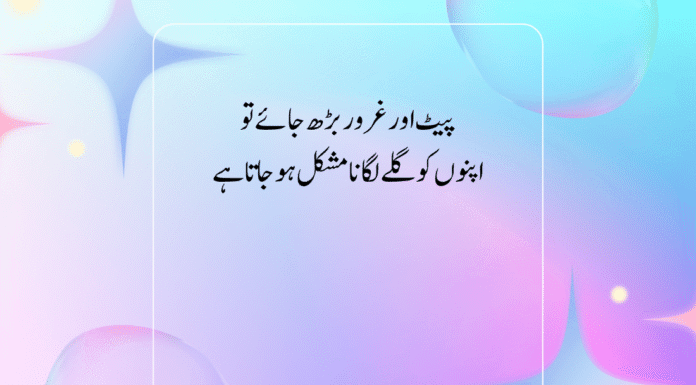
Urdu Quotes are the poetry of emotion, the music of meaning, and the distilled wisdom of the South Asian soul. Our comprehensive collection of Urdu Quotes celebrates the richness, elegance, and emotional depth of the Urdu language—a language born from love, shaped by history, and perfected by centuries of poets and philosophers. Whether you’re seeking romantic verses to express your heart, motivational wisdom to inspire your spirit, or profound reflections on life’s deepest questions, Urdu quotes offer exactly what you’re looking for with a grace and depth that few languages can match.

Urdu is not merely a language—it is a complete emotional universe. In Urdu, there are words for feelings that English requires entire sentences to express. There are metaphors for heartbreak that make you feel the pain as if it’s your own. There is wisdom about life that seems to understand your struggles before you even articulate them. This is the power of Urdu quotes.

Why Urdu Quotes Are Uniquely Powerful

Urdu quotes occupy a special place in world literature and emotional expression. Understanding what makes them unique helps you appreciate them more deeply:

  • A Language Built on Love: Urdu evolved as the language of lovers, armies, and courts. It was designed to express emotion with beauty and precision. Unlike many languages that developed for practical purposes, Urdu developed to express the inexpressible.
  • Layers of Meaning: A single Urdu word often carries multiple meanings, shades of emotion, and historical resonance. When you read an Urdu quote, you’re not just reading words—you’re experiencing layers of cultural context and emotional history.
  • Poetic Heritage: Urdu comes from a tradition of some of the world’s greatest poets—Mir, Ghalib, Hafiz, Rumi’s influence—all writing in this language or its predecessors. This poetic tradition infuses even simple Urdu quotes with literary elegance.
  • Emotional Precision: In Urdu, there are specific words for “the pain of separation,” “longing for the beloved,” “the ache of missing someone,” and “the beauty of sadness.” These precise emotional terms allow Urdu quotes to hit exactly the right emotional note.
  • Cultural Continuity: Urdu quotes connect you to centuries of South Asian wisdom, Islamic philosophy, Mughal court traditions, and modern struggles. When you read an Urdu quote, you’re participating in a conversation spanning generations.
  • Spiritual Depth: Rooted in both Islamic and South Asian spiritual traditions, Urdu quotes often carry spiritual weight and wisdom that goes beyond the surface words.
  • Accessibility & Profundity: The best Urdu quotes are simple enough that children understand them, yet profound enough that philosophers spend lifetimes contemplating them. They work on multiple levels simultaneously.

Understanding Urdu Language & Its Emotional Vocabulary

To truly appreciate Urdu quotes, it helps to understand some key concepts from the language:

  • 🌙 Firaq (فراق): Separation, especially from the beloved. Not just physical separation, but the existential ache of missing someone. This is one of Urdu’s most important emotional concepts—the pain of separation is the deepest human suffering.
  • 💔 Dard (درد): Pain, sorrow. But in Urdu, “dard” carries connotations of noble suffering, the kind of pain that ennobles rather than diminishes. A person with dard is someone who has suffered and grown wise.
  • 🌑 Udasi (اداسی): Melancholy, sadness. But a particular kind—not depression, but a poetic melancholy. The sadness you feel listening to beautiful sad music, a sadness that makes you feel more alive.
  • 🙏 Tawaakul (توکل): Trust in divine will, reliance on Allah. Central to Islamic Urdu wisdom—the acceptance that some things are beyond your control and you must trust in divine wisdom.
  • ⚔️ Sabr (صبر): Patience, perseverance, steadfastness. Not passive waiting, but active endurance. In Islamic Urdu wisdom, sabr is one of the highest virtues.
  • ❤️ Qalb (قلب): Heart, but also the center of understanding, consciousness, and emotion. The “qalb” is where truth is known, not just the mind.
  • 🌟 Nur (نور): Light, illumination, knowledge. Often used to describe the light of truth, knowledge, or divine guidance.
  • 🎭 Jhooti (جھوٹی): False, fake, pretend. Often used to criticize empty words, surface appearances, or dishonest emotions.
  • ✨ Khoobsurat (خوبصورت): Beautiful, pretty. But in Urdu poetry, beauty implies moral and spiritual beauty, not just physical attractiveness.
  • 🌍 Duniya (دنیا): The world, the material realm. Often used to emphasize the transient nature of worldly things compared to eternal spiritual truth.

The Rich Traditions Behind Urdu Quotes

Urdu quotes don’t exist in isolation. They’re part of rich traditions:

  • 📖 Classical Urdu Poetry (Shayari): The tradition of formal poetry with strict meters and rhyme schemes. Poets like Mir Taqi Mir and Mirza Ghalib are considered among the world’s greatest. Their work set the standard for all Urdu expression.
  • 🕌 Sufi Wisdom Tradition: Islamic Sufi mysticism profoundly influenced Urdu. Sufi poets expressed spiritual truths through metaphor and poetry. This tradition emphasizes inner spiritual experience and union with the divine.
  • 👑 Mughal Court Tradition: Under the Mughals, Urdu developed as the language of courts, lovers, and refinement. Court poets competed in mushairas (poetry gatherings) to showcase their brilliance.
  • 📚 Islamic Scholarship: Islamic principles filtered through Urdu create a distinct tradition of wisdom about ethics, justice, character, and right living.
  • 🏘️ Folk Wisdom Tradition: Beyond formal poetry, Urdu contains centuries of folk wisdom—proverbs, sayings, and cultural maxims passed down through generations.
  • 🕯️ Modern & Contemporary Urdu: Contemporary poets and thinkers continue the tradition, addressing modern struggles while maintaining classical elegance.

Categories of Urdu Quotes You’ll Find Here

  • ❤️ Love & Romance (Mohabbat): From romantic devotion to heartbreak, these quotes express the full spectrum of romantic emotion with unmatched eloquence.
  • 💔 Heartbreak & Separation (Firaq): The pain of separation, longing, and loss. These quotes acknowledge that heartbreak is one of the most powerful human experiences.
  • 🌙 Life Wisdom & Philosophy (Zindagi): Quotes about the meaning of life, how to live well, dealing with hardship, and understanding our place in the universe.
  • 🎯 Motivation & Determination: Quotes to inspire action, courage, and perseverance. These acknowledge struggle while encouraging forward movement.
  • 🕌 Spiritual & Islamic Wisdom: Quotes rooted in Islamic principles, addressing faith, trust in Allah, virtue, and the spiritual journey.
  • 😢 Sadness & Melancholy (Udasi): These celebrate sadness as a meaningful human experience, not something to avoid. They find beauty in sorrow.
  • 🤝 Relationships & Friendship: Quotes about bonds between people, loyalty, trust, and the importance of genuine connection.
  • ✨ Short & Memorable (Mukhtasar): Concise Urdu quotes perfect for sharing on social media, using as captions, or posting as status updates.
  • 🧠 Character & Virtue (Akhlaq): Quotes about developing good character, moral growth, and becoming a better person.
  • 🌍 Society & Justice (Insaaf): Quotes addressing social issues, justice, equality, and the responsibility to contribute to society.

How to Read & Appreciate Urdu Quotes Deeply

For Native Urdu Speakers:

  1. Read Aloud: Urdu is meant to be heard. Read the quote aloud to experience the music of the language, the rhythm and flow.
  2. Understand the Deeper Words: Look beyond surface meanings. What does “firaq” really mean in this context? How does “sabr” apply? The deeper Urdu vocabulary carries weight that translations miss.
  3. Know the Cultural Context: Understanding whether a quote comes from Sufi tradition, classical poetry, Islamic teaching, or folk wisdom enriches your understanding.
  4. Imagine the Situation: Most Urdu quotes paint a situation—a lovers’ separation, a moment of life crisis, a spiritual realization. Imagine yourself in that situation to feel the quote’s full impact.
  5. Discuss in Community: Traditional mushairas (poetry gatherings) involved discussion and interpretation. Share quotes with friends and discuss different interpretations.
  6. Memorize & Recite: Memorizing Urdu quotes keeps the language alive in your consciousness. Reciting them aloud connects you to the tradition of verbal transmission of wisdom.

For Non-Native Speakers Learning Urdu:

  1. Study Roman Urdu & Translation Together: Read the original Urdu script, then Roman transliteration, then English translation. Notice what each version reveals.
  2. Look Up Word Meanings: Understand each word individually, then how they combine. Urdu grammar often differs from English, creating different emphasis.
  3. Research the Quote’s Source: Knowing whether a quote comes from Ghalib, a Hadith, a Sufi poem, or modern literature contextualizes it richly.
  4. Find Audio Recordings: Hearing native speakers recite Urdu quotes teaches you pronunciation, rhythm, and emotional expression.
  5. Compare to English Quotes: When you find an Urdu quote that moves you, try to express the same sentiment in English. You’ll notice what Urdu adds that English cannot capture.
  6. Join Urdu Learning Communities: Online groups, language partners, and discussion forums can help you understand nuances that books cannot teach.

Urdu Quotes in Digital Age: Using Them Today

Social Media & Modern Use:

  • Status Updates: Share meaningful Urdu quotes as status updates on WhatsApp, Instagram, Facebook. They stand out among English quotes and connect with Urdu-speaking audiences.
  • Caption Inspiration: Use Urdu quotes for Instagram, TikTok, and photo captions. The beauty of Urdu language adds artistry to visual content.
  • Relationship Expressions: Romantic Urdu quotes eloquently express love. A carefully chosen Urdu quote says more than generic English sentiments.
  • Motivational Sharing: During difficult times, sharing relevant Urdu wisdom quotes shows you understand the struggle and have resources from your cultural heritage.
  • Educational Purpose: Teaching Urdu quotes to younger generations helps preserve the language and cultural wisdom.
  • Artistic Expression: Urdu quotes inspire poets, writers, and artists. Many create visual art around beautiful Urdu sayings.

Common Themes in Urdu Quotes

As you explore Urdu quotes, you’ll notice recurring themes reflecting core values:

  • 🌹 Love as the Highest Experience: Love—whether romantic, spiritual, or divine—is presented as the most meaningful human experience. Even heartbreak from love is seen as noble.
  • ⏰ Transience of Life (Faini Duniya): The world is temporary; everything material will pass. This isn’t pessimistic—it’s liberating. Knowing everything is temporary helps you focus on what truly matters.
  • 🙏 Trust in Divine Will (Tawaakul): No matter how hard you try, ultimate control belongs to Allah. This isn’t about passivity but about peace in accepting what you cannot control.
  • 💪 Dignity in Suffering (Izzat-e-Dard): Urdu doesn’t shy away from suffering. Instead, it suggests that how you bear suffering defines your character. Noble suffering ennobles the sufferer.
  • 🌟 Inner Beauty Over Appearance: True beauty is internal—character, wisdom, kindness. External beauty fades; inner beauty endures.
  • 🤝 Connection & Togetherness (Rishtay): Relationships—family, friendship, love—are central to human life. Without connection, even success feels hollow.
  • ✊ Perseverance (Sabr & Himmat): Through patience and courage, you can endure anything. This isn’t about happiness but about noble endurance.

Frequently Asked Questions About Urdu Quotes (FAQ)

Q: I don’t speak Urdu. Can I still appreciate these quotes?

A: Absolutely! English translations convey the core meaning and wisdom. However, knowing that something is being translated helps you understand that some nuance is being lost. If you’re interested, learning even basic Urdu words (firaq, sabr, dard) will deepen your appreciation.

Q: What’s the difference between Urdu quotes and Urdu poetry/shayari?

A: Quotes can be single lines or couplets from longer poems, or standalone wisdom sayings. Shayari specifically refers to formal poetry with specific meter and rhyme schemes. Some quotes come from shayari, but not all. Many are folk wisdom or aphorisms.

Q: Why are so many Urdu quotes about sadness and separation?

A: Urdu cultural tradition values emotional honesty. Sadness, loss, and separation are real human experiences worthy of artistic expression. Additionally, Islamic Sufi tradition sees suffering as a path to spiritual growth. Urdu doesn’t shy away from pain.

Q: How do I know if a quote is authentic?

A: Famous quotes from known poets (Ghalib, Mir, etc.) can often be verified. Some quotes are folk sayings—their origins are lost but they’re considered authentic because they’ve been passed down for generations. When attribution matters to you, researching the source is worth the effort.

Q: Can I use Urdu quotes for my own writing/content?

A: Yes, but give credit when known. If using a quote from a famous poet, attribute it. For folk sayings where origin is unknown, mentioning it comes from Urdu tradition is appropriate. Using quotes to inspire and enhance your own work is a time-honored practice.

Q: Why do Urdu quotes seem more emotional than English quotes?

A: Urdu language itself is more emotionally expressive. The vocabulary includes specific words for emotional states that English requires sentences to express. Additionally, Urdu comes from traditions (Sufi, poetic, Islamic) that valued emotional expression and spiritual depth. This shapes all Urdu quotes.

Q: How can I use Urdu quotes in my daily life?

A: Reflect on relevant quotes when facing situations they address. Share quotes that move you with people you care about. Use them as meditation objects—spend time with one quote, understanding it deeply. Use them as captions or status updates. Teach them to your children to preserve cultural heritage.

Q: Are there Urdu quotes for every situation?

A: Centuries of Urdu wisdom mean there’s likely a quote addressing almost any human situation. The breadth and depth of Urdu quotes is remarkable. Part of the joy of exploring them is discovering quotes that seem to speak directly to your current experience.

The Living Tradition of Urdu Quotes

Urdu quotes are not museum pieces from the past. They’re a living tradition that continues to grow. Contemporary Urdu poets and thinkers create new quotes addressing modern issues while maintaining the elegance and depth of the tradition. At the same time, centuries-old quotes remain relevant because they address timeless human experiences.

By engaging with Urdu quotes, you’re not just reading wise words. You’re participating in a tradition spanning centuries, connecting with millions of Urdu speakers worldwide, and accessing the accumulated wisdom of a people who have expressed themselves poetically and profoundly.

🇵🇰 A Reflection on Urdu Quotes: In a world that moves too fast and feels too shallow, Urdu quotes remind us to slow down and feel deeply. They teach us that sadness can be beautiful, that love is worth the risk of heartbreak, that suffering can ennoble rather than diminish. They connect us to centuries of wisdom and to millions of people who speak and feel in Urdu. In every Urdu quote is a conversation across time, cultures, and hearts.

💡 Pro Tip: Choose one Urdu quote that resonates with you. Read it daily for a week. Meditate on what it means. Look up the deeper Urdu vocabulary. If you speak Urdu, read it aloud and listen to how it sounds. If you don’t speak Urdu, listen to native speakers recite it. By week’s end, you’ll understand not just the quote, but what makes Urdu quotes so powerful.

Explore our complete Urdu Quotes collection below and discover the emotional depth and poetic beauty of one of the world’s most expressive languages. 🌹✨

Best Urdu Quotes for 2025 – Life, Emotions & Wisdom

Urdu Quotes are a beautiful expression of emotions, thoughts, and wisdom conveyed through the elegance and depth of the Urdu language. Known for its poetic charm and rich literary  tradition,  Urdu  allows  even  simple  words  to carry  deep meanings and powerful emotions. Urdu  quotes ...