











Home Blog Page 8

Inspiring Story of Kindness to Animals in Islam – The Cat and the Prophet ﷺ

0

Inspiring Story of Kindness to Animals in Islam – The Cat and Prophet Muhammad ﷺ


INTRODUCTION

Kindness to animals in Islam is not just a moral value; it is a core part of faith. Prophet Muhammad ﷺ taught his followers that mercy is rewarded by Allah, even when it is shown to the smallest of creatures. Through his words and actions, the Prophet ﷺ demonstrated that animals, like humans, deserve compassion, care, and respect.

One of the most inspiring examples from the life of Prophet Muhammad ﷺ is his gentle treatment of animals. These stories are not myths or fairy tales; they are lessons meant to shape our character and daily behavior. Among them is a beautiful incident involving a thirsty cat, which continues to teach Muslims the importance of kindness, empathy, and responsibility toward all living beings.


A True Story of the Prophet ﷺ and a Thirsty Cat

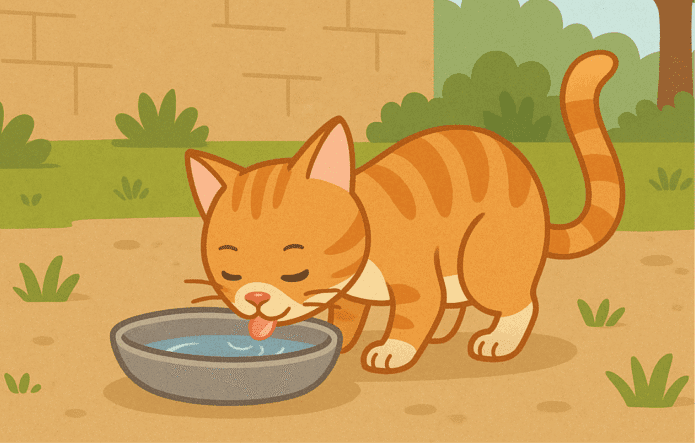
One day in the blessed city of Madinah, Prophet Muhammad ﷺ noticed a weak and thirsty cat wandering near his home. The animal appeared exhausted, and its soft cries showed clear distress. Instead of ignoring it, the Prophet ﷺ immediately understood that this small creature needed help.

He went inside his home, brought a bowl of clean water, and gently placed it before the cat. The cat drank the water eagerly, regaining strength and comfort. The companions who witnessed this moment were deeply moved by the Prophet’s ﷺ compassion and attentiveness toward an animal that many people might overlook.

Through this simple yet powerful act, the Prophet ﷺ showed that kindness does not require wealth or status—only a merciful heart.


Teaching Mercy Through Action

After helping the cat, Prophet Muhammad ﷺ explained to his companions that kindness to animals is not a small matter in Islam. He reminded them that every act of mercy is counted as charity (sadaqah) when done sincerely for the sake of Allah.

“Showing kindness to animals is also a form of charity.”
— Prophet Muhammad ﷺ

This teaching had a lasting impact on the companions. They became more careful and compassionate in their daily lives—feeding birds, protecting animals from harm, and ensuring that no creature suffered unnecessarily. The Prophet ﷺ taught through action, making mercy a living example rather than just words.


What Islam Says About Animal Rights

Islam clearly recognizes animals as part of Allah’s creation, with their own purpose and value. The Qur’an states:

“There is not an animal on the earth, nor a bird that flies with its wings, but they are communities like you.”
Surah Al-An‘am (6:38)

This verse reminds Muslims that animals are not objects to be abused or neglected. They are living beings with rights, deserving care and respect. Prophet Muhammad ﷺ strictly warned against cruelty, overburdening animals, or causing them pain without reason.


Moral Lessons for Children and Adults

This inspiring story offers practical lessons for people of all ages:

  • Offering water or food to animals is a rewardable act

  • Cruelty to animals goes against Islamic teachings

  • Mercy toward animals strengthens faith (Iman)

  • Small good deeds can carry great reward in the sight of Allah

Parents can use such stories to teach children empathy and responsibility. Simple actions—like placing water for birds or caring for pets gently—can become acts of worship when done with the right intention.


Why These Stories Still Matter Today

In today’s fast-paced world, stories from the life of Prophet Muhammad ﷺ remind us to slow down and care for those around us, including animals. Many Muslims today continue this Sunnah by supporting animal welfare, helping injured animals, and spreading awareness about compassion in Islam.

These stories are not meant only to be read; they are meant to be lived.


✅ FAQ SECTION (ADD AT END)

Q1: How did Prophet Muhammad ﷺ treat animals?
He treated animals with mercy, care, and respect, teaching that kindness to animals is a form of charity.

Q2: Is helping animals rewarded in Islam?
Yes, Islam teaches that helping animals brings reward from Allah and strengthens faith.

Q3: Why should children learn Islamic stories about animals?
Such stories teach empathy, responsibility, and moral values from an early age.


🌿 اسلام میں جانوروں کے ساتھ مہربانی – نبی ﷺ اور بلی کی کہانی

اسلام میں جانوروں کے ساتھ مہربانی ایک نہایت اہم تعلیم ہے جو ہمیں پیارے نبی حضرت محمد ﷺ کی سیرت سے ملتی ہے۔ یہ حقیقی واقعہ ہمیں سکھاتا ہے کہ ہر جاندار کے ساتھ رحم اور محبت کرنا ایمان کا حصہ ہے۔


حضرت محمد ﷺ کی مثال – چھوٹی بلی کی مدد

ایک دن مدینہ منورہ میں، نبی ﷺ نے ایک کمزور اور پیاسی بلی کو اپنے گھر کے قریب دیکھا۔ وہ تھکی ہوئی تھی اور مدد کی آواز دے رہی تھی۔ نبی ﷺ نے فوراً گھر جا کر ایک پیالے میں پانی بھر کر باہر لایا اور نہایت نرمی سے بلی کے سامنے رکھا۔

بلی نے خوشی سے پانی پیا اور سکون محسوس کیا۔ صحابہ کرام نے دیکھا کہ نبی ﷺ نے اس چھوٹی سی مخلوق کے ساتھ بھی محبت اور توجہ کا مظاہرہ کیا۔


📜 صحابہ کے لیے سبق

حضرت ﷺ نے فرمایا:

“جانوروں پر رحم کرنا بھی صدقہ ہے۔”

یہ سبق صحابہ کے دلوں پر گہرا اثر ڈال گیا۔ انہوں نے سیکھا کہ اللہ کی ہر مخلوق کے ساتھ رحم کرنا ایمان کا حصہ ہے۔


قرآن میں جانوروں کے حقوق

اللہ تعالیٰ قرآن میں فرماتے ہیں:

“زمین پر چلنے والا کوئی جانور اور اپنے پروں سے اڑنے والا کوئی پرندہ ایسا نہیں جو تمہاری ہی طرح کی جماعتیں نہ ہوں۔”
— سورۃ الانعام، آیت 38

یہ آیت واضح کرتی ہے کہ ہر جاندار کے ساتھ احترام اور محبت ضروری ہے۔ اسلام میں ظلم و زیادتی سختی سے منع ہے۔


🌱 عملی اسباق

  • 💧 اگر کوئی جانور پیاسا یا بھوکا نظر آئے تو اسے پانی یا کھانا دیں۔

  • 🚫 کسی بھی جانور کو نقصان نہ پہنچائیں۔

  • ❤️ پالتو جانوروں کے ساتھ محبت اور نرمی کا سلوک کریں۔

  • 🕌 جانوروں پر رحم کرنا ایمان کی علامت ہے۔


🌟 حقیقی زندگی میں عملی مثال

یہ کہانی صرف سنانے کے لیے نہیں، بلکہ زندگی گزارنے کا سبق ہے۔

  • والدین اپنے بچوں کو سکھا سکتے ہیں کہ باہر پرندوں کے لیے پانی رکھیں۔

  • مساجد اور سکولز میں جانوروں کی دیکھ بھال کے لیے چھوٹے منصوبے شروع کیے جا سکتے ہیں۔

  • آج بھی دنیا بھر میں مسلمان اس سنت کی پیروی کرتے ہوئے چیریٹی اور جانوروں کی مدد میں مشغول ہیں۔


✅ سبق اخلاقی کہانی کا خلاصہ

یہ اسلامی کہانی ہمیں سکھاتی ہے کہ رحم دلی ایک صدقہ ہے۔
ہمیشہ مہربان رہیں، مدد کریں، اور یاد رکھیں: اللہ ان لوگوں سے محبت کرتا ہے جو اس کی مخلوق پر رحم کرتے ہیں۔
The Honest Little Boy – Islamic Story with Moral

0
alt="Honesty Moral Story for Kids – Islamic lesson for children"

Honesty Moral Story for Kids – Ayaan and the Lost Purse

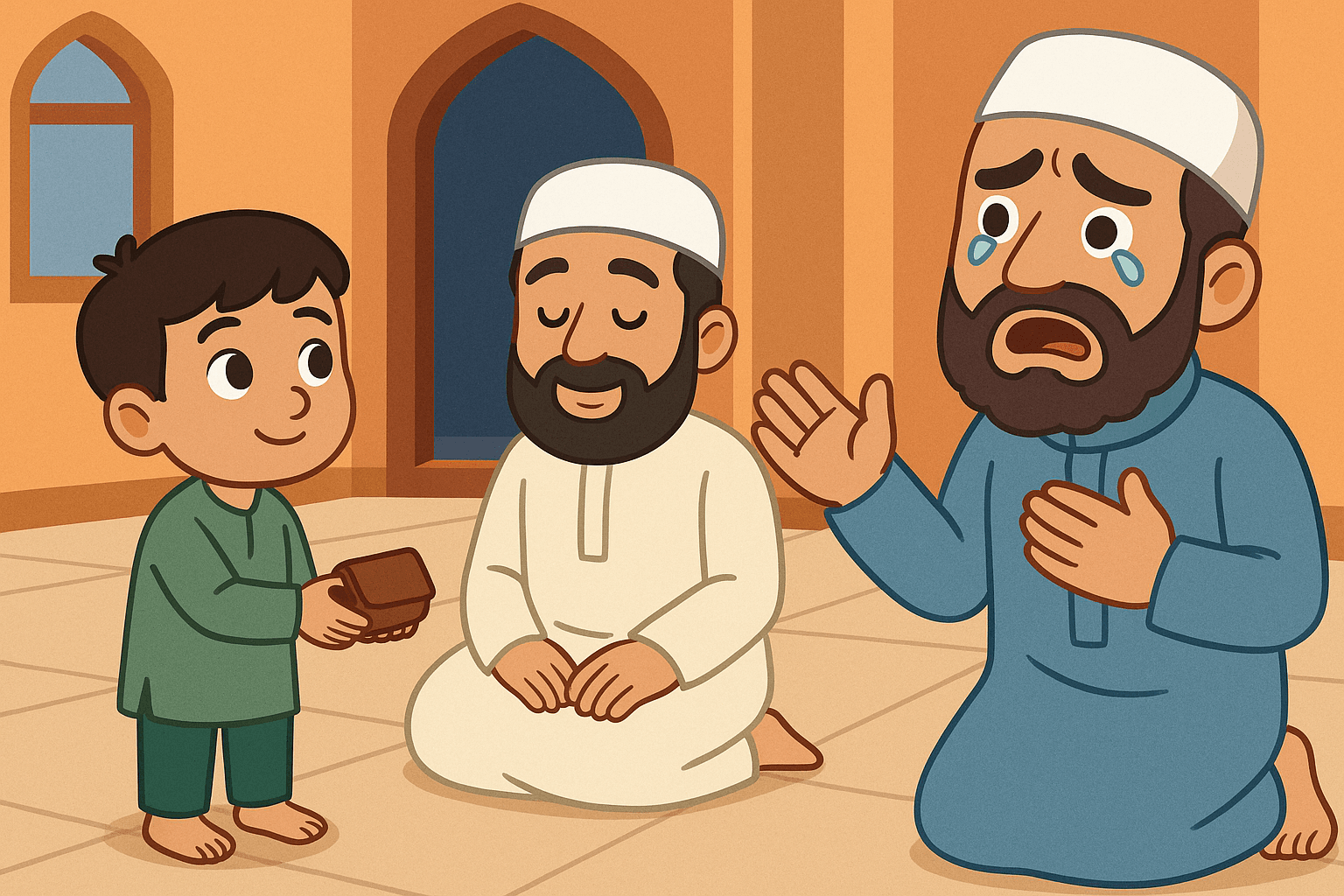
Honesty Moral Story for Kids: In a peaceful little village surrounded by fields and farms, there lived a kind-hearted boy named Ayaan. He was well known for his good manners and truthfulness. One afternoon, while walking home from the market, he saw something shiny on the ground. It was a small leather purse filled with silver coins!

Ayaan looked around. No one seemed to notice. He could have kept it, but instead he said to himself, “Someone must be very worried about losing this. I should give it to the Imam at the masjid.”

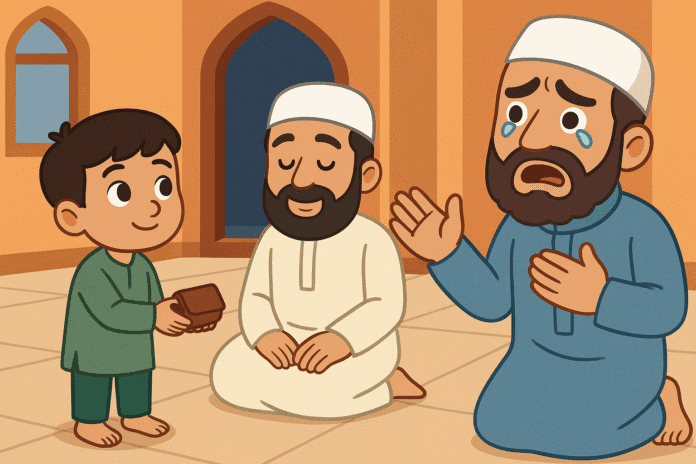
He ran straight to the masjid and handed it to the Imam. “Someone may have dropped this,” he said politely.

Later that evening, a man entered the masjid, his face full of worry and tears. “I lost my money!” he cried. “That was all I had to buy food for my children!”

The Imam smiled, handed over the purse, and said, “Allah sent a trustworthy boy your way. Here it is.”

The man hugged Ayaan tightly and said, “May Allah bless you, little one. You have saved my family!”

🧠 Moral of the Story

Honesty is always rewarded. Allah loves those who speak the truth and act righteously. This story is a reminder for children and adults alike that a small act of honesty can bring big blessings.


ایمانداری کی کہانی – بچوں کے لیے سبق آموز واقعہ

ایک گاؤں میں ایان نامی ایک نیک لڑکا رہتا تھا۔ ایک دن وہ بازار سے گھر جا رہا تھا کہ اسے ایک بٹوہ ملا۔ اس نے بٹوہ کھولا تو اندر سکے تھے۔

ایان نے سوچا،  یہ کسی کا کھویا ہوا ہے، مجھے امام صاحب کو دے دینا چاہیے۔

وہ فوراً مسجد گیا اور امام صاحب کو بٹوہ دے دیا۔ شام کو ایک شخص روتا ہوا مسجد آیا، “میرا بٹوہ کھو گیا ہے! ان پیسوں سے بچوں کاکھانا لینا تھا

امام صاحب نے مسکرا کر وہی بٹوہ اسے دے دیا۔ وہ شخص ایان کو گلے لگا کر بولا، “اللہ تمہیں جزائے خیر دے بیٹا

:سبق

ایمانداری ہمیشہ فائدہ دیتی ہے۔ اللہ تعالیٰ سچ بولنے اور نیکی کرنے والوں کو پسند فرماتا ہے۔


📚 Related Islamic Moral Stories


📊 Quick Lesson Table

LessonIslamic Value
Returning lost itemsHonesty
Telling the truthAmanah (Trust)
Helping othersCompassion

Honesty Moral Story for Kids – Islamic lesson for children

Best 40 Sad Urdu Shayari 2025 | Deep & Touching Emotions

0
Sad Urdu Shayari 2025 – Deep and Emotional Poetry in Urdu with English Meaning


💔 Sad Urdu Shayari 2025 — Top 40 Deep & Touching Shayari

Sad Urdu Shayari 2025 is a heartfelt collection of Urdu couplets expressing loss, longing, and soul-deep emotion. Each verse appears in Urdu, Roman Urdu, and English meaning — perfect for sharing, reflecting, or healing.

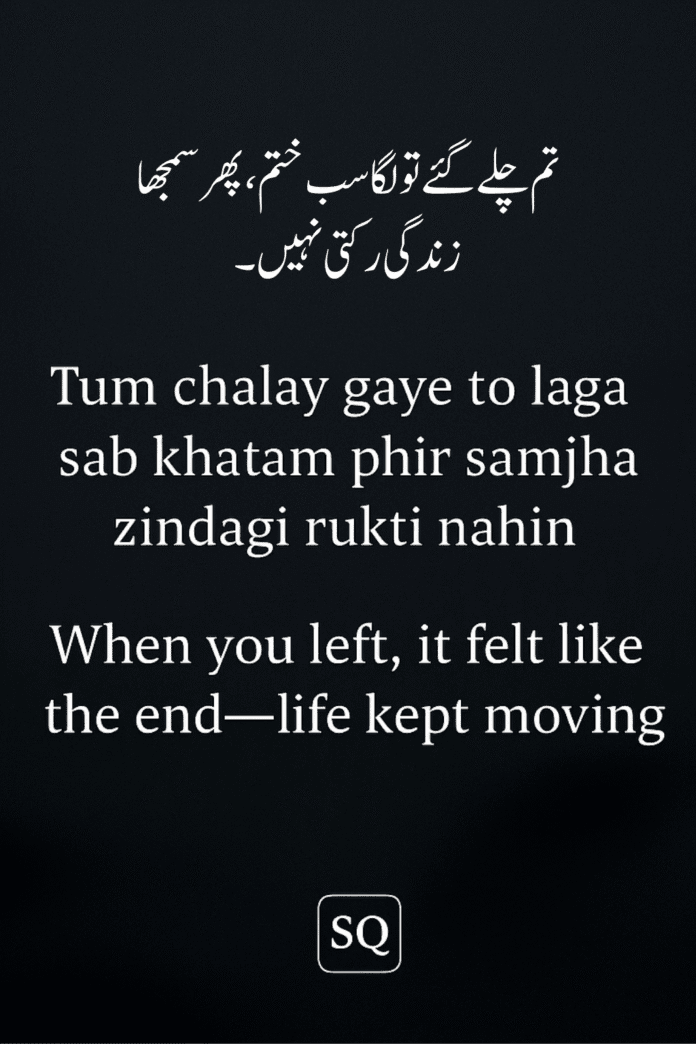
Sad Urdu Shayari 2025 - Featured image 1
Sad Urdu Shayari 2025 - Featured image 2
Sad Urdu Shayari 2025 - Featured image 3

Why Sad Urdu Shayari Still Moves Us (2025)

Sad Urdu poetry speaks to timeless human feelings — heartbreak, nostalgia, emptiness, and quiet resilience. This curated list of 40 couplets (Urdu, Roman Urdu, English) is designed to help you feel, reflect, and share. Use the buttons below to jump to parts of the collection or save your favorites.

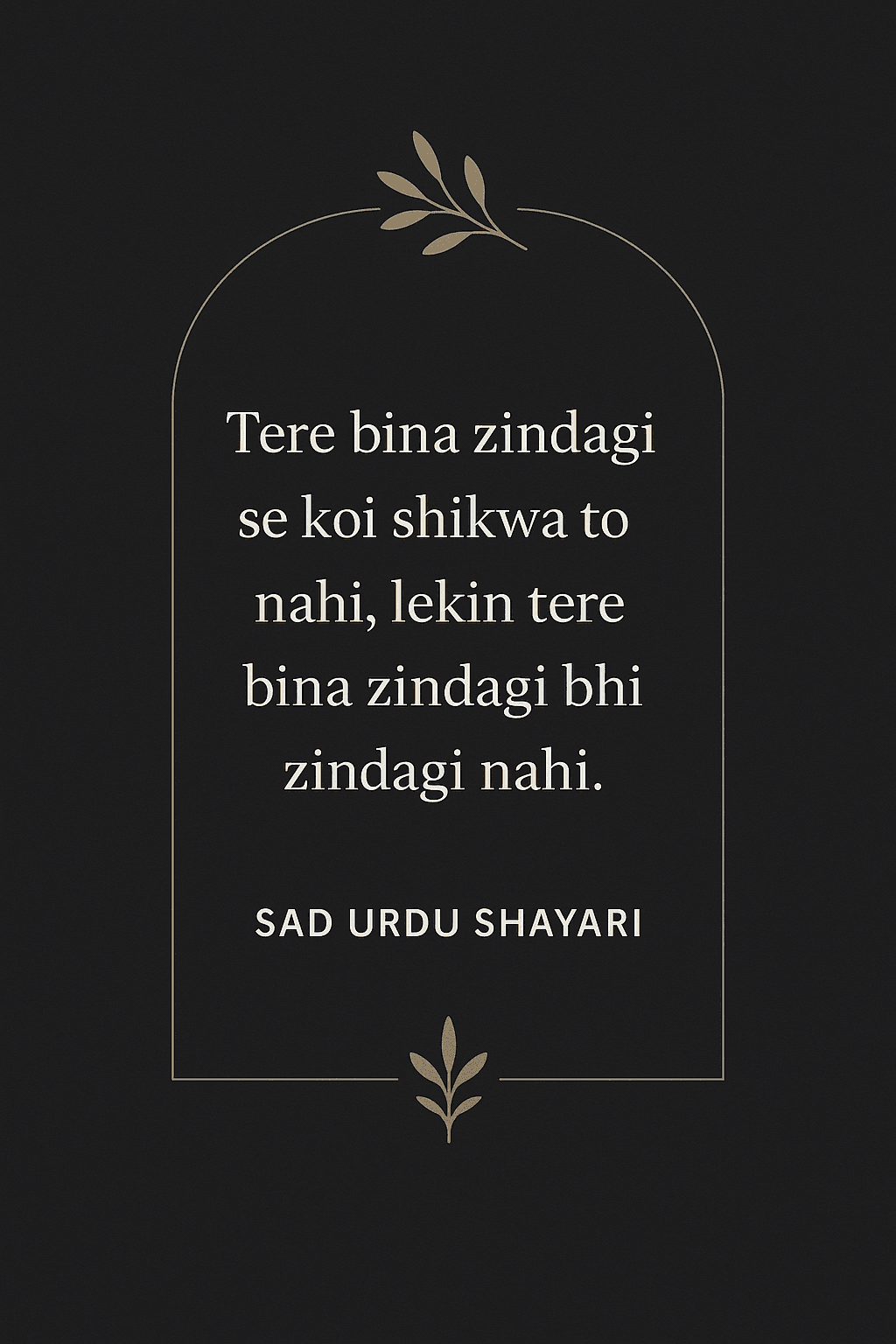
تیرے بنا زندگی سے کوئی شکوہ تو نہیں لیکن تیرے بنا زندگی بھی زندگی نہیں۔
Tere bina zindagi se koi shikwa to nahi, lekin tere bina zindagi bhi zindagi nahi.
I have no complaints about life without you, yet life without you isn’t life at all.

محبت تھی اس لیے چھوڑ دیا، ضد ہوتی تو بانہوں میں ہوتی۔
Mohabbat thi is liye chor diya, zidd hoti to baahon mein hoti.
It was love, so I let you go. If it were ego, I would have held you close.

کچھ لوگ صرف یادوں میں اچھے لگتے ہیں۔
Kuch log sirf yaadon mein achay lagtay hain.
Some people are only good in memories.

وقت کے ساتھ انسان نہیں، جذبات بدلتے ہیں۔
Waqt ke sath insaan nahi, jazbaat badaltay hain.
With time, it’s not people who change, it’s their feelings.

ٹوٹ کر چاہا تھا تمہیں، اور تم نے تو بس وقت گزارا۔
Toot kar chaaha tha tumhein, aur tum ne to bas waqt guzara.
I loved you with all I had, but you were just passing time.

نہ جانے کس گناہ کی سزا مل رہی ہے، ہر خوشی دور، ہر غم پاس لگتا ہے۔
Na jaane kis gunah ki saza mil rahi hai, har khushi door, har gham paas lagta hai.
I don’t know what sin I’m paying for—joy feels far, sorrow always near.

اُس نے کہا بھول جاؤ مجھے، جیسے یادیں کسی بٹن سے ڈیلیٹ ہوتی ہیں۔
Us ne kaha bhool jao mujhe, jaise yaadein kisi button se delete hoti hain.
He said forget me, like memories can be deleted with a button.

چاہا تھا جسے دل سے، وہی دل توڑ گیا۔
Chaaha tha jise dil se, wohi dil tor gaya.
The one I loved with all my heart was the one who broke it.

تم چھوڑ گئے تو لگا سب کچھ ختم ہو گیا، پھر سمجھا زندگی رکتی نہیں کسی کے جانے سے۔
Tum chhor gaye to laga sab kuch khatam ho gaya, phir samjha zindagi rukti nahi kisi ke jaane se.
When you left, I thought everything ended—then I realized life never stops for anyone.

ہر بار سوچا کہ بھول جاؤں تجھے، مگر ہر دفعہ تُو اور گہرا اتر گیا۔
Har baar socha ke bhool jaaun tujhe, magar har dafa tu aur gehra utar gaya.
Every time I tried to forget you, you sank deeper into my heart.

ایک تیرے جانے سے زندگی ادھوری ہو گئی، تجھ بن سب کچھ ہوتے ہوئے بھی کچھ نہیں۔
Ek tere jaane se zindagi adhoori ho gayi, tujh bin sab kuch hotay huay bhi kuch nahi.
Your absence made my life incomplete—despite having everything, I have nothing without you.

موسم بھی بدلتے ہیں، لوگ بھی بدلتے ہیں، پر کچھ زخم ہمیشہ تازہ رہتے ہیں۔
Mausam bhi badaltay hain, log bhi badaltay hain, par kuch zakham hamesha taaza rehtay hain.
Seasons change, people change, but some wounds always remain fresh.

پل بھر میں بکھر جاتے ہیں رشتے، وقت نہیں لگتا کسی اپنے کو پرایا ہونے میں۔
Pal bhar mein bikhar jaate hain rishte, waqt nahi lagta kisi apne ko paraya hone mein.
Relationships shatter in a moment—it takes no time for loved ones to become strangers.

وہ ہنس کے ملتا ہے ہر کسی سے، مجھے صرف محبت ہی ملی تھی اُس کی اُداسی میں۔
Woh hans ke milta hai har kisi se, mujhe sirf mohabbat hi mili thi uski udaasi mein.
He smiles at everyone, but I only received love in his sadness.

تم نے تو کہہ دیا الوداع، پر ہم نے نہیں، تیری یادوں نے ابھی تک رخصت نہیں لیا۔
Tum ne to keh diya alwida, par hum ne nahi, teri yaadon ne abhi tak rukhsat nahi liya.
You said goodbye, but I didn’t—your memories still haven’t left me.

وقت کے ساتھ سب کچھ بدل گیا، پر تیرے جانے کا درد آج بھی ویسا ہی ہے۔
Waqt ke sath sab kuch badal gaya, par tere jaane ka dard aaj bhi waisa hi hai.
Everything changed with time, but the pain of your absence still feels the same.

رات بھر نیند نہیں آتی، تمہاری یادوں کے سوا، کیا تمہیں بھی میری یاد کبھی رلاتی ہے؟
Raat bhar neend nahi aati, tumhari yaadon ke siwa, kya tumhein bhi meri yaad kabhi rulaati hai?
I can’t sleep all night because of your memories. Do mine ever make you cry?

تیرے بنا زندگی میں کیا بچا ہے؟ بس ایک اداسی، ایک خاموشی، ایک تنہائی۔
Tere bina zindagi mein kya bacha hai? Bas aik udaasi, aik khamoshi, aik tanhai.
What’s left in life without you? Only sadness, silence, and loneliness.

وہ مسکراتا تھا، میں رو دیتا تھا، وہ بے پرواہ تھا، میں بے وجہ جیتا تھا۔
Woh muskurata tha, main ro deta tha, woh be parwah tha, main be wajah jeeta tha.
He smiled, I cried. He was carefree, I lived without reason.

خواب ادھورے رہ گئے، اور تم بھی۔
Khawab adhooray reh gaye, aur tum bhi.
Dreams remained incomplete—so did you.

اداسی چھو نہیں سکتی، یہ اندر سے جنم لیتی ہے۔
Udaasi choo nahi sakti, yeh andar se janam leti hai.
Sadness doesn’t touch you; it grows from within.

ہم وہ خواب تھے جو کسی نے پورے ہونے نہیں دیے۔
Hum woh khwab the jo kisi ne poore hone nahi diye.
We were the dreams no one allowed to come true.

بچھڑنے کا دکھ اکثر خاموشی میں بولا جاتا ہے۔
Bichharne ka dukh aksar khamoshi mein bola jata hai.
The pain of separation often speaks in silence.

محبت جب ادھوری رہ جائے، دل عمر بھر اداس رہتا ہے۔
Mohabbat jab adhoori reh jaaye, dil umr bhar udaas rehta hai.
When love remains incomplete, the heart stays sad forever.

یادیں بے وقت نہیں آتیں، وہ دل کی پکار پر آتی ہیں۔
Yaadein be-waqt nahi aatein, woh dil ki pukar par aati hain.
Memories don’t come randomly — they respond to the heart’s call.

مسکراہٹ کے پیچھے چھپے آنسو ہی اصل کہانی ہوتے ہیں۔
Muskurahat ke peeche chhupe aansu hi asal kahani hotay hain.
The tears hidden behind a smile tell the real story.

محبت کے بعد خاموشی بہت کچھ کہہ جاتی ہے۔
Mohabbat ke baad khamoshi bohat kuch keh jaati hai.
After love, silence speaks the loudest.

جو دل میں رہتے ہیں، وہ آنکھوں سے اوجھل نہیں ہوتے۔
Jo dil mein rehte hain, woh aankhon se ojhal nahi hotay.
Those who live in the heart never disappear from sight.

ہر ہنسی کے پیچھے ایک اداس کہانی چھپی ہوتی ہے۔
Har hansi ke peeche aik udaas kahani chhupi hoti hai.
Behind every smile, a sad story lies hidden.

وقت کی مار خاموشی سے لگتی ہے، درد عمر بھر رہتا ہے۔
Waqt ki maar khamoshi se lagti hai, dard umr bhar rehta hai.
Time strikes silently, but its pain lasts a lifetime.

سچائی اکثر تعلقات ختم کر دیتی ہے۔
Sachai aksar talluqaat khatam kar deti hai.
Truth often ends relationships.

خاموشی سب کچھ کہہ دیتی ہے جب الفاظ ساتھ چھوڑ جائیں۔
Khamoshi sab kuch keh deti hai jab alfaaz saath chor jaayein.
Silence says everything when words abandon you.

جانے والے جاتے ہیں، پر خالی پن چھوڑ جاتے ہیں۔
Janay walay jatay hain, par khaali pan chor jatay hain.
Those who leave, leave behind emptiness.

کچھ درد لفظوں میں نہیں سما سکتے۔
Kuch dard lafzon mein nahi sama saktay.
Some pain cannot be captured in words.

اکثر وہی لوگ رُلاتے ہیں جو کبھی ہنساتے تھے۔
Aksar wahi log rulatay hain jo kabhi hansatay thay.
Often, those who made us laugh are the ones who make us cry.

یاد رکھو، دل کے زخم دکھتے نہیں مگر روتے ضرور ہیں۔
Yaad rakho, dil ke zakham dikhte nahi magar rote zaroor hain.
Remember, wounds of the heart don’t show — but they cry silently.

کچھ یادیں زندگی بھر کا درد بن جاتی ہیں۔
Kuch yaadein zindagi bhar ka dard ban jaati hain.
Some memories become a lifelong pain.

پیار وہ زخم ہے جو بنا چھوئے تکلیف دیتا ہے۔
Pyaar woh zakham hai jo bina chooay takleef deta hai.
Love is the wound that hurts without being touched.

اداسی وہ خاموش صدا ہے جو صرف دل سنتا ہے۔
Udaasi woh khamosh sada hai jo sirf dil sunta hai.
Sadness is a silent cry only the heart hears.

خواب جب ٹوٹتے ہیں، دل بھی ساتھ بکھر جاتا ہے۔
Khawab jab toot’tay hain, dil bhi saath bikhar jaata hai.
When dreams shatter, the heart breaks with them.

All Urdu verses are reproduced as provided. For image credits or removal requests, please contact specialquotesonline@gmail.com.

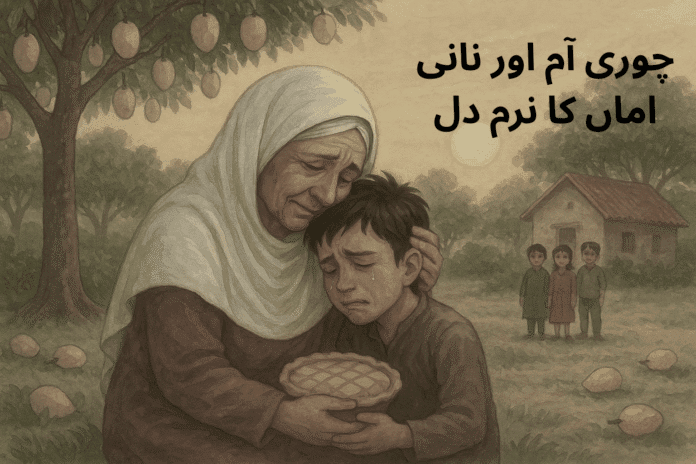
چوری آم اور نانی اماں کا نرم دل – ایک سبق آموز کہانی

0
"The Stolen Mangoes and the Kind Grandmother – Moral Story for Kids in Urdu and English"

چوری آم اور نانی اماں کا نرم دل – ایک سبق آموز کہانی

اردو کہانی

گرمیوں کی دوپہر تھی۔ گاؤں کے بچے ایک بڑے آم کے درخت کے نیچے جمع تھے۔ فضا میں پکے ہوئے آموں کی خوشبو پھیلی ہوئی تھی، اور سب جانتے تھے کہ سب سے میٹھے آم نانی اماں کے ہوتے ہیں۔

نانی اماں ہر سال سب سے پکے اور خوبصورت آم چُن کر ان پر سرخ ربن باندھ دیتی تھیں۔ وہ بچوں سے کہتیں: “جمعے کو آنا، ہر بچے کو ایک آم ملے گا!” ان کی شفقت اور محبت پورے گاؤں میں مشہور تھی۔

مگر اس سال حمزہ اور بلال آموں کی لالچ میں آگئے۔ آموں کو جھومتے دیکھ کر بلال نے کہا، “بس ایک لے لیتے ہیں، کسی کو پتا نہیں چلے گا”۔

شام کو وہ چپکے سے درخت پر چڑھے اور دو بڑے آم چرا لیے۔ ہنستے ہوئے اپنے گھروں کو بھاگ گئے، یہ سوچے بغیر کہ ان کے اس عمل کا انجام کیا ہوگا۔

اگلی صبح نانی اماں نے آم گنے تو دو غائب تھے۔ ربن کے ٹکڑے درخت پر لٹک رہے تھے۔ مگر انہوں نے کچھ نہ کہا۔ ان کے چہرے پر وہی نرمی اور شفقت تھی۔

جمعے کے دن انہوں نے حسبِ معمول سب بچوں کو آم بانٹے، حتیٰ کہ حمزہ اور بلال کو بھی۔ وہ مسکرا کر بولیں: “یاد رکھو، جو چیز ایمانداری سے حاصل ہو، وہی سب سے میٹھی ہوتی ہے۔”

حمزہ کو آم کا ذائقہ اب اتنا میٹھا محسوس نہیں ہوا۔ بلال نے شرمندگی سے نظریں جھکا لیں۔ رات دونوں بے چین رہے، نیند نہ آئی۔

اگلی صبح وہ دونوں نانی اماں کے دروازے پر پہنچے۔ آنکھوں میں آنسو لیے بولے: “ہم نے آم چرائے، ہمیں معاف کر دیں”۔

نانی اماں نے ان کے سر پر ہاتھ رکھا اور نرمی سے کہا: “سچ بولنے والوں کو معافی ضرور ملتی ہے۔ لیکن یاد رکھو، اعتماد ایک بار ٹوٹ جائے تو دوبارہ جمانے میں وقت لگتا ہے”۔

اس دن کے بعد حمزہ اور بلال نے کبھی چوری نہیں کی۔ وہ ہر سال نانی اماں کے ساتھ آم توڑنے میں مدد کرتے، اور نانی اماں انہیں اپنے دل سے انعام دیتیں۔

سبق: یہ کہانی ہمیں سچائی، ایمانداری، اور معافی کی طاقت سکھاتی ہے۔ نرمی اور شفقت دلوں کو بدلنے کی طاقت رکھتی ہیں۔

The Stolen Mangoes and the Kind Grandmother – Full English Story

The Stolen Mangoes and the Kind Grandmother is a beautiful moral story that teaches children honesty, truthfulness, and the power of forgiveness.

It was a hot summer afternoon. Children from the village had gathered under a large mango tree. The sweet scent of ripe mangoes filled the air, and everyone knew the tastiest mangoes belonged to Nani Amma.

Every year, Nani Amma would carefully select the ripest and juiciest mangoes and tie red ribbons around them. She’d always say to the children, “Come on Friday, each one of you will get a mango!” Her kindness and love were famous in the entire village.

But this year, Hamza and Bilal couldn’t resist the temptation. Watching the red-ribboned mangoes swaying in the wind, Bilal whispered, “Let’s just take one. No one will find out.”

As the sun began to set, they quietly climbed the tree and stole two big mangoes. Laughing, they ran back home, unaware of the consequences of their actions.

The next morning, Nani Amma noticed two mangoes were missing. The torn red ribbons still hung on the branches. She said nothing. Her face remained soft and calm.

On Friday, she gave mangoes to all the children as usual—even to Hamza and Bilal. With a gentle smile, she said, “Remember, what’s earned honestly always tastes sweeter.”

Hamza didn’t find the mango very sweet anymore. Bilal looked down in shame. That night, they were restless and couldn’t sleep.

The next morning, both boys went to Nani Amma’s house. With tears in their eyes, they confessed, “We stole the mangoes. Please forgive us.”

Nani Amma placed her hand on their heads and replied softly, “Those who tell the truth always earn forgiveness. But remember, broken trust takes time to rebuild.”

From that day on, Hamza and Bilal never stole again. Each year, they helped Nani Amma pick mangoes, and she rewarded them with her love and trust.

Moral: This story teaches us about honesty, truth, and the power of forgiveness. Kindness can heal hearts and change lives.

Read more Truth & Honesty Stories

Explore more moral stories on Britannica Kids