











Islamic Stories

🕌 Islamic Stories: Timeless Tales of Faith, Patience & Divine Wisdom

Islamic stories are far more than entertainment—they are treasured sources of spiritual guidance, moral teaching, and profound wisdom passed down through generations. From the noble lives of the Prophets to the extraordinary journeys of faithful believers, these narratives carry lessons that touch the heart, strengthen the soul, and guide us toward righteous living.

Our comprehensive collection brings you authentic Islamic stories in both English and Urdu, featuring the lives of Prophets, their companions, and ordinary people whose extraordinary faith changed history. Each story illustrates timeless principles of patience (Sabr), trust in Allah (Tawakkul), honesty, compassion, courage, and moral integrity—values that remain eternally relevant whether you’re reading with children, seeking spiritual reflection, or teaching others about Islam.

Why Islamic Stories Matter for Your Spiritual Journey

Islamic stories are profound because they serve multiple purposes in our lives:

  • Spiritual Nourishment: Stories of the Prophets connect us to our Islamic heritage and remind us we are part of a chain of believers stretching back centuries.
  • Practical Life Lessons: The Quran itself uses stories to teach. These narratives show how to apply Islamic principles in real, challenging situations.
  • Emotional Connection: Unlike abstract doctrine, stories engage our hearts. We see our own struggles reflected and find inspiration to endure.
  • Character Development: Islamic stories model the qualities we aspire to cultivate—courage, wisdom, mercy, honesty, and steadfast faith.
  • Healing & Comfort: In times of difficulty, Islamic stories remind us that Allah tests those He loves, and that hardship is temporary while divine reward is eternal.
  • Teaching Tool: Whether you’re a parent, teacher, or community leader, stories are the most effective way to transmit Islamic values to the next generation.
  • Reflection & Meditation: Taking time to reflect on a Prophet’s journey invites us into deeper meditation and self-examination.
  • Quranic Understanding: Many Islamic stories are drawn from Quranic verses. Reading the story enhances your understanding of the Quran itself.

Islamic Stories in Our Collection

We’ve organized our collection to help you explore different types of Islamic narratives:

👤 Stories of the Prophets (Qasas-al-Anbiya)

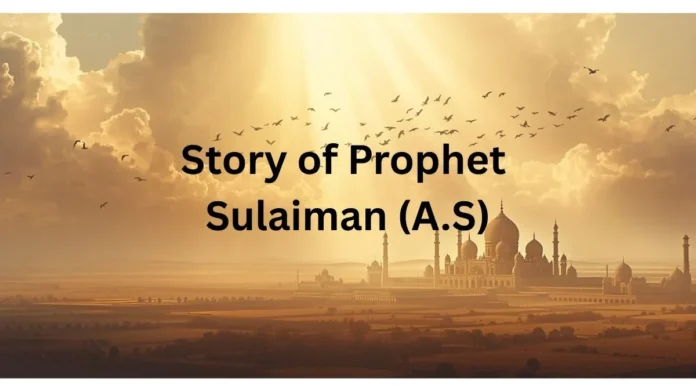
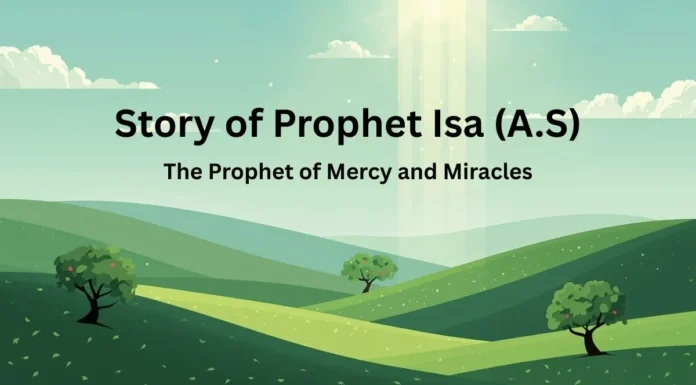
What’s Inside: The lives and journeys of the Prophets sent by Allah—from Prophet Adam to Prophet Muhammad ﷺ. Stories of extraordinary faith, miraculous events, and lessons about patience, obedience, and trust in Allah’s plan.

Key Themes: Facing opposition with faith, remaining steadfast when rejected, trusting Allah despite impossible circumstances, and the triumph of truth.

→ Read Full Prophets Stories Collection


👨‍🦰 Stories from the Life of Prophet Muhammad (SAW)

What’s Inside: The Seerah (biography) of Prophet Muhammad ﷺ—his childhood, his mission, his character, his relationships, and his extraordinary life as the final Messenger.

Key Themes: Mercy and compassion, perseverance through rejection, justice and fairness, wisdom in decision-making, and unshakeable faith.

→ Read Full Prophet Muhammad Stories Collection


👨‍👩‍👧 Islamic Stories for Children

What’s Inside: Age-appropriate Islamic stories designed to teach children about faith, morality, and Islamic values through engaging, memorable narratives.

Key Themes: Honesty, kindness, obedience to parents, respect for elders, trust in Allah, and the importance of prayer and Islamic practices.

→ Read Full Islamic Stories for Children Collection

Key Lessons From Islamic Stories

While each story is unique, Islamic narratives teach recurring themes that guide believers:

  • Sabr (Patience): From Prophet Ayub’s trials to Prophet Yusuf’s imprisonment, stories teach us that patience in hardship is rewarded.
  • Tawakkul (Trust in Allah): Even when circumstances seem impossible, trusting Allah’s wisdom leads to unexpected blessings.
  • Honesty & Integrity: Stories show that honesty may cost in the short term but builds trust and divine reward long-term.
  • Mercy & Compassion: The example of Prophet Muhammad ﷺ demonstrates that treating others with kindness is central to Islamic character.
  • Courage & Standing for Truth: Stories teach that speaking truth is more valuable than popularity or safety.
  • Forgiveness & Reconciliation: From Prophet Yusuf forgiving his brothers to Prophet Muhammad ﷺ forgiving enemies, stories teach that forgiveness is divine.
  • Knowledge & Wisdom: Stories emphasize that seeking knowledge is a lifelong pursuit blessed by Allah.
  • Faith Over Fear: Whether Prophet Ibrahim in fire or Prophet Yunus in the whale, stories show that faith in Allah overcomes all fear.

How to Benefit From Islamic Stories

For Personal Spiritual Growth:

  1. Read Regularly: Make reading Islamic stories part of your routine. This consistent engagement nourishes your spiritual heart.
  2. Read With Intention: Begin by seeking refuge in Allah and setting an intention to strengthen your faith and learn from the Prophets’ example.
  3. Reflect Deeply: After reading, ask: What character traits did the Prophet display that I should develop? What trial mirrors my own challenges?
  4. Connect to Quranic Verses: Look up the Quranic verses related to the story. Reading the Quranic account deepens your understanding and connection to Allah’s word.
  5. Apply to Your Life: Ask: “How can I embody the lessons from this story in my own life this week?” Real benefit comes through application.
  6. Share With Others: Telling Islamic stories to family and community spreads blessing and reinforces your own learning.
  7. Meditate on the Lessons: Spend time in quiet reflection contemplating a Prophet’s character or a story’s meaning.

For Teaching Children:

  1. Choose Age-Appropriate Stories: Select stories that match your child’s maturity level and attention span.
  2. Make It Interactive: Ask questions as you read. “What would you have done?” “Why did the Prophet make that choice?”
  3. Discuss the Lesson: After the story, discuss: “What did we learn? How does this apply to how we treat others?”
  4. Use Stories to Address Behavior: When a child struggles with honesty or kindness, a relevant Islamic story addresses the issue non-judgmentally.
  5. Make Bedtime Sacred: Reading Islamic stories before sleep is a beautiful ritual that combines bonding with spiritual nurturing.
  6. Encourage Storytelling: Ask children to retell stories in their own words. This deepens comprehension and develops narrative skills.

Frequently Asked Questions About Islamic Stories (FAQ)

Q: Are these stories authentic according to Islamic sources?

A: Our stories are drawn from the Quran, authenticated Hadith collections, and respected Islamic scholarship. We prioritize Quranic accounts and Sahih Hadith. Stories that lack clear Islamic sourcing are excluded.

Q: How are Islamic stories different from other types of stories?

A: Islamic stories are distinguished by their spiritual purpose, ethical teaching, divine perspective, and emphasis on the Hereafter. They’re tools for spiritual growth rooted in Quranic wisdom.

Q: Can I read Islamic stories during Ramadan?

A: Absolutely. Reading Islamic stories, especially about the Prophets, is an excellent Ramadan practice that complements Quran recitation and increases spiritual reflection.

Q: What’s the best time to read Islamic stories?

A: Islamic stories can be read anytime, but reading with focus is best when you’re not rushed. After Fajr prayer, before sleep, or during weekly spiritual practice are all meaningful times.

Q: Are there Islamic stories suitable for different age groups?

A: Yes. We organize stories for children (3-12 years), teenagers, and adults. While some stories work across all ages, children’s stories use simpler language and shorter narratives.

Q: What if I don’t remember all the details of a story?

A: That’s normal. The benefit comes from lessons and spiritual impact, not from memorizing details. Reading the same story at different life stages reveals new layers of meaning.

Q: How do Islamic stories relate to the Quran?

A: Many Islamic stories come directly from Quranic verses. Reading the story and then the corresponding Quranic account enriches both your understanding of the story and your Quranic knowledge.

Q: Can Islamic stories help with specific challenges I’m facing?

A: Yes. If you’re struggling with patience, read about Prophet Ayub. Facing injustice? Study Prophet Yusuf’s story. Seeking courage? Learn from Prophet Ibrahim.

Q: Is it okay to tell Islamic stories in my own words?

A: Yes. In fact, retelling stories in your own words is encouraged. The Prophets’ teachings were meant to be shared and transmitted. Your authentic voice makes stories more relatable.

Q: How can I help my children remember Islamic stories?

A: Repetition is key. Reading the same story several times, discussing it, asking them to retell it, drawing pictures, and connecting it to their lives deepen memory and understanding.

A Spiritual Reminder

The Quran tells us: “We do relate to you the most beautiful of stories in that We have sent down to you this Quran.” (Quran 12:3) This reminds us that Quranic stories are gifts from Allah designed to guide, heal, and elevate our souls.

💚 A Reflection for Your Heart: When you read Islamic stories, you’re connecting with the spiritual journey of believers across centuries. The Prophets you read about faced doubts as you do and triumphed through faith. Their stories become your inspiration and guidance toward righteousness.

📖 Sacred Words: Prophet Muhammad ﷺ said, “The best of you are those who learn the Quran and teach it.” As you read and share these Islamic stories rooted in Quranic wisdom, you earn the blessing of spreading divine knowledge. May Allah accept from all of us.

Explore our collection below and allow these timeless stories to guide and inspire your journey toward Allah. 🕌❤️

Story of Prophet Adam (A.S) – The First Man and Prophet of Allah

Islamic symbolic illustration for the Story of Prophet Adam (A.S) with paradise garden, light from above, and clay mound – no human figures.
🌿 Story of Prophet Adam (A.S) – The First Prophet of Allah Prophet Adam (A.S) was the first human being created by Allah Almighty. His creation marked the beginning of mankind and the start of divine guidance for humanity. Allah shaped Adam (A.S) from clay,...

Inspiring Story of Kindness to Animals in Islam – The Cat and the Prophet ﷺ

Inspiring Story of Kindness to Animals in Islam – The Cat and Prophet Muhammad ﷺINTRODUCTION Kindness to animals in Islam is not just a moral value; it is a core part of faith. Prophet Muhammad ﷺ taught his followers that mercy is rewarded by Allah,...

The Honest Little Boy – Islamic Story with Moral

alt="Honesty Moral Story for Kids – Islamic lesson for children"
Honesty Moral Story for Kids – Ayaan and the Lost Purse Honesty Moral Story for Kids: In a peaceful little village surrounded by fields and farms, there lived a kind-hearted boy named Ayaan. He was well known for his good manners and truthfulness. One afternoon,...