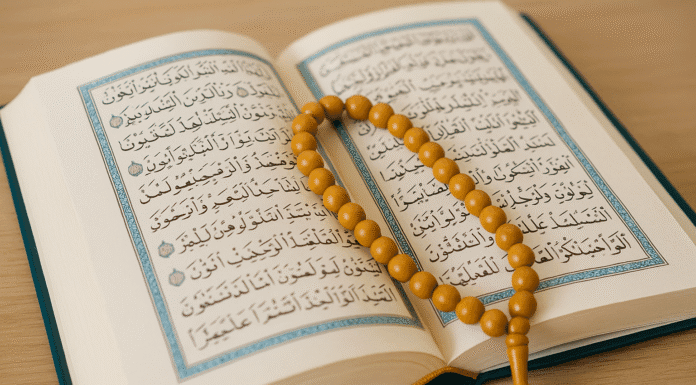










🌙 Islamic Quotes: Quranic Verses & Hadith for Spiritual GuidanceIslamic quotes are divine reminders rooted in the Holy Quran and authentic Hadith (sayings of Prophet Muhammad ﷺ) that provide peace, clarity, and spiritual direction in every stage of life. These are not mere words—they are guidance from Allah (subhanahu wa ta’ala) and wisdom from His final Messenger ﷺ.
Whether you seek comfort during hardships, strength to face challenges, reminders of Allah’s mercy, or guidance for righteous living, this collection brings together the most meaningful Islamic quotes from trusted and authenticated sources. Each quote is carefully verified to ensure authenticity and spiritual accuracy.
Islamic quotes are powerful because they:
For readers in Pakistan, India, and across the Muslim world, Islamic quotes hold profound significance as they ground us in the teachings of Islam while addressing the unique challenges and contexts of modern life. Our collection honors both the classical beauty of Islamic scholarship and the contemporary relevance of these eternal teachings.
All quotes in our collection come from authenticated sources:
Quality Assurance: We prioritize quotes from Sahih (authentic) Hadith collections and verified Quranic verses. Questionable or unverified quotes are intentionally excluded to maintain spiritual accuracy and protect your Islamic learning.
We’ve organized our collection into distinct categories to help you find exactly the spiritual guidance you need:
What’s Inside: Verses of mercy, hope, divine guidance, and eternal wisdom directly from the Holy Quran. These ayat address life’s greatest questions and deepest spiritual needs.
Sample Quranic Verse:
Arabic: “إِنَّ مَعَ الْعُسْرِ يُسْرًا” (Inna ma’a al-‘usri yusra)
Translation: “Indeed, with hardship [will come] ease.” (Quran 94:5)
Meaning: This verse reminds us that no difficulty is permanent. Allah promises that ease follows every hardship, encouraging patience and trust in His plan.
→ Read Full Quran Quotes Collection
What’s Inside: Authentic sayings of Prophet Muhammad ﷺ that teach us how to live, how to treat others, how to worship, and how to be better Muslims in daily life.
Sample Hadith:
Hadith: “The best of you are those who are best to their families, and I am the best among you to my family.” — Prophet Muhammad ﷺ (Tirmidhi)
Meaning: This hadith teaches that true Islam is reflected in how we treat our families with kindness, patience, and love. Character in the home is a sign of a strong Muslim.
→ Read Full Hadith Quotes Collection
What’s Inside: Inspirational sayings and teachings of Prophet Muhammad ﷺ on character, knowledge, compassion, justice, and living as a true Muslim in all circumstances.
→ Read Full Prophet Muhammad Quotes Collection
What’s Inside: Islamic teachings on Sabr (patience), one of the most honored virtues in Islam. These quotes teach how to face trials with trust in Allah, resilience, and the knowledge that Allah rewards the patient abundantly.
Why Sabr Matters: The word “Sabr” appears in the Quran more than 90 times. Allah says, “Indeed, the patient will be given their reward without account” (Quran 39:10). Patience is not just endurance—it’s a spiritual practice that strengthens our connection to Allah.
→ Read Full Sabr Quotes Collection
Islamic guidance comes in many forms, and our collection reflects this richness:
Islamic quotes are most powerful when integrated into your spiritual journey and daily life:
Q: How do I know these Islamic quotes are authentic (Sahih)?
A: All quotes in this collection come from authenticated sources. Quranic verses are from the Holy Quran (100% authentic). Hadith are from Sahih (authentic) collections like Sahih al-Bukhari, Sahih Muslim, and other verified sources. We intentionally exclude weak or unverified hadith. When in doubt, we omit the quote to maintain integrity.
Q: What’s the difference between a Quranic verse and a Hadith?
A: Quran is the direct word of Allah (subhanahu wa ta’ala) revealed to Prophet Muhammad ﷺ—it is 100% authentic and binding. Hadith are sayings and actions of Prophet Muhammad ﷺ that show how to apply Quranic teachings. Both are fundamental to Islamic guidance, but the Quran holds the highest authority.
Q: Can I share these quotes on social media and with others?
A: Absolutely! In fact, sharing Islamic knowledge carries great spiritual reward. Prophet Muhammad ﷺ said, “The best of you are those who learn the Quran and teach it.” Sharing Islamic quotes is a form of Da’wah (calling to Allah) and Sadaqah Jariyah (ongoing charity). Just try to credit authentic sources when possible.
Q: How do I memorize Islamic quotes?
A: Start small—choose one short verse or hadith per week. Repeat it daily in your mind, write it down, and use it in conversations. Many Muslims find it helpful to associate quotes with specific surahs (chapters) or stories. Apps and flashcard methods can help. Most importantly, make sincere dua to Allah for the ability to remember and understand His words.
Q: I’m new to Islam. Where should I start with Islamic quotes?
A: Start with short, powerful Quranic verses that address fundamental aspects of faith—Allah’s oneness (Tawhid), His mercy, and His guidance. Then explore Hadith on character and daily living. Don’t feel pressured to memorize everything. Focus on understanding and applying one teaching at a time.
Q: What if I don’t understand the meaning of a verse or hadith?
A: This is normal and shows intellectual honesty. Seek help from: (1) Islamic teachers or scholars in your community, (2) Tafsir (Quranic interpretation) books, (3) Reliable Islamic websites, (4) Your local Imam. Never feel ashamed to ask questions—seeking knowledge is encouraged in Islam.
Q: How do I apply Islamic quotes to my daily life?
A: After reading a quote, ask yourself: “What is this teaching me? How does this apply to my current situation? What action should I take?” For example, if you read a hadith about kindness, practice it immediately by helping someone. Real Islam is lived, not just read.
Q: Are there Islamic quotes about specific topics (family, work, health, etc.)?
A: Yes! Our collection covers diverse topics within each category. Use our subcategories to find quotes relevant to your situation. You can also search our site for specific topics like “Islamic quotes about family” or “Islamic quotes about success.”
Q: Can I use these quotes in my Khutbah (sermon), speeches, or writings?
A: Absolutely! We encourage this. Using authentic Islamic sources in speeches, sermons, and writings strengthens your message and earns spiritual reward. Always cite the source (e.g., “Quran 2:286” or “Reported in Sahih al-Bukhari”) for credibility and academic integrity.
Q: How often should I read Islamic quotes?
A: Ideally daily, even if just for 5-10 minutes. Many scholars recommend reading Islamic material after Fajr prayer or before Isha. Some Muslims maintain a “daily hadith” practice. The key is consistency—a little each day is better than reading a lot sporadically. Allah loves consistent deeds.
Whether you seek spiritual strength, guidance in hardship, inspiration for righteous living, or simply to deepen your connection to Allah and His Messenger ﷺ, our Islamic quotes collection is here to support your journey.
💚 Remember: Every verse of the Quran and every authentic hadith is a mercy from Allah. These are not just inspirational words—they are divine guidance meant to transform hearts and guide lives. Read with sincerity, reflect deeply, and let these timeless teachings elevate your Iman and bring you closer to Allah (subhanahu wa ta’ala) and His Messenger ﷺ.
📚 A Hadith to Guide Your Learning: “The best among you are those who learn the Quran and teach it.” — Prophet Muhammad ﷺ (Sahih al-Bukhari) | This reminds us that seeking Islamic knowledge and sharing it with others is one of the noblest actions we can undertake.
Explore our subcategories above and discover the Quranic verses, Hadith, and Islamic wisdom that will strengthen your faith and guide your path. May Allah accept from us all. ❤️