







Sad Quotes – Find Comfort & Healing Through Powerful Words
Sad quotes speak to the heart when words fail. Whether you’re feeling lost, betrayed, or quietly battling your own thoughts, the right quote can offer a sense of connection and relief. In this curated collection of 100+ sad quotes about life, love, and pain, we bring you powerful words from legendary poets, writers, and thinkers who understood the depths of human sorrow.
These emotional quotes are more than just words—they’re companions in your darkest moments. From Rumi’s mystical wisdom to Sylvia Plath’s raw honesty, from Oscar Wilde’s elegant melancholy to Emily Dickinson’s quiet despair, each quote comes with the story of the person who wrote it and what their words truly mean.
Whether you’ve been hurt in love, lost someone dear, or are simply feeling life’s heavy burden, you’re not alone. Scroll through to find quotes that help you release your sorrow and begin to heal.
Don’t forget to check our other collections like motivational quotes, life quotes, and love quotes in Urdu for a complete emotional journey.
Why Sad Quotes Help: The Psychology of Emotional Validation
You might wonder: why do sad quotes bring comfort instead of making us feel worse? The answer lies in psychological validation. When we read a quote from Rumi or Sylvia Plath that perfectly captures our pain, our brain experiences what psychologists call “emotional resonance.” We realize: “Someone else—someone brilliant, creative, celebrated—has felt this exact way. I’m not alone. I’m not broken.”
Research in grief counseling and emotional psychology shows that naming our emotions—putting feelings into words—reduces their intensity. When Leonardo da Vinci wrote “Tears come from the heart, not from the brain,” he wasn’t just being poetic. He was describing how emotional responses operate independently of rational thought, a fact modern neuroscience has confirmed.
The writers featured here—poets, novelists, philosophers—dedicated their lives to understanding and articulating human emotion. Their words carry weight not just because they’re beautifully written, but because they come from lived experience. Rumi understood spiritual longing. Sylvia Plath knew depression intimately. Oscar Wilde experienced social rejection. Their authority makes their comfort more powerful.
This collection isn’t about wallowing in sadness—it’s about honoring your emotions as a necessary step toward healing. These quotes help you feel less alone, validate your experience, and gently remind you that others have survived similar pain and found their way forward.
💫 Quick Jump to Your Feelings
Navigate through our deeply touching Sad Quotes categories. Tap below to explore love, life, grief, and healing sections instantly.
💔 Sad Quotes About Love & Heartbreak
Love is supposed to bring joy, yet heartbreak is one of life’s most universal pains. These quotes from legendary poets and writers capture the complex emotions of unreturned love, betrayal, and the ache of missing someone who’s no longer yours. Each quote below includes deep context about the author and what their words truly mean.
About Rumi (1207-1273)
Jalāl al-Dīn Muḥammad Rūmī was a 13th-century Persian poet, Islamic scholar, and Sufi mystic whose works transcended religious boundaries. Born in present-day Afghanistan, Rumi wrote over 70,000 verses of poetry, primarily in Persian. His works explore divine love, spiritual longing, and the transformation that comes through suffering. He founded the Mevlevi Order of Sufism, known for their whirling dervish meditation.
What This Quote Really Means
Rumi presents heartbreak not as pure destruction, but as a sacred opening. When your heart breaks, it creates cracks through which wisdom, compassion, and spiritual understanding can enter. The “Light” he refers to is both divine grace and deeper self-awareness. Your pain isn’t meaningless—it’s transformative. The very wound that feels like it’s destroying you is actually creating space for you to become more fully human, more deeply compassionate.
This isn’t toxic positivity saying “everything happens for a reason.” Rather, Rumi acknowledges that suffering is real and painful, while suggesting we can find meaning within it. The broken heart becomes a sacred wound, a portal to growth that couldn’t exist without the breaking.
About Khalil Gibran (1883-1931)
Khalil Gibran was a Lebanese-American writer, poet, and visual artist, best known for his book “The Prophet” (1923), which has been translated into over 100 languages. Born in Lebanon, he emigrated to the United States where he became a literary bridge between Eastern and Western thought. His work blends mysticism, romanticism, and philosophical depth, exploring themes of love, freedom, and the human condition.
The Wisdom in This Quote
Gibran addresses a fundamental cause of heartbreak: possessive love. This quote from “The Prophet” warns against turning love into ownership—when we try to bind another person to us, we suffocate both them and ourselves. Healthy love, he suggests, is like a sea between two shores: connected yet allowing space, fluid rather than rigid, dynamic rather than possessive.
Many heartbreaks stem from expectations that our partner will complete us, belong to us, or never change. Gibran teaches that true love honors the other person’s autonomy and growth, even when it’s painful for us. The sadness comes when we realize we’ve been trying to cage someone who needed to fly—or when someone tried to cage us.
About Sylvia Plath (1932-1963)
Sylvia Plath was an American poet, novelist, and short-story writer, known for her confessional style and exploration of mental illness, identity, and death. She published “The Bell Jar” (1963) shortly before her death by suicide at age 30. Her raw honesty about depression, her tumultuous marriage to poet Ted Hughes, and her struggle with societal expectations make her voice especially powerful for those experiencing emotional pain. She won the Pulitzer Prize posthumously in 1982.
Understanding This Honest Confession
Plath describes the exhausting emotional pendulum that many people with depression or intense sensitivity experience. You can force yourself to be “constantly active and happy”—masking your pain, performing normalcy—but it’s depleting. Or you can surrender to “introspectively passive and sad”—honest but isolating. The third option—”ricocheting in between”—is the maddening middle ground where you oscillate wildly, never finding stability.
This quote resonates because it names an experience many people feel but rarely articulate: the impossibility of finding emotional equilibrium when sadness feels like your baseline. Plath isn’t offering solutions—she’s validating that sometimes, all available options feel impossible. There’s profound comfort in having someone acknowledge this truth.
😔 Sad Quotes About Life Struggles
Life’s weight isn’t always dramatic heartbreak or obvious loss. Sometimes it’s the quiet accumulation of disappointments, the exhausting effort of simply existing, or the loneliness of feeling misunderstood. These quotes from brilliant minds speak to those invisible battles—the ones you fight behind a smile, the ones that no one else sees.
About Oscar Wilde (1854-1900)
Oscar Wilde was an Irish poet, playwright, and wit, known for his sharp observations on society, art, and human nature. Author of “The Picture of Dorian Gray” and plays like “The Importance of Being Earnest,” Wilde was celebrated for his clever wordplay and social commentary. His own life ended tragically—imprisoned for homosexuality, abandoned by society, he died in poverty and exile. His suffering lends weight to his observations about pain and beauty.
The Profound Simplicity
In just six words, Wilde captures a fundamental truth: heartbreak isn’t an aberration or failure—it’s part of the heart’s design. The capacity to love deeply, to care intensely, to connect profoundly necessarily includes the capacity to break. A heart that never breaks is a heart that never truly opened.
Wilde wrote this after experiencing his own devastating losses—social ruin, imprisonment, rejection by friends and family. He understood that the same openness that allows us to experience joy also exposes us to sorrow. The heart was made to feel, and feeling includes breaking. This isn’t pessimism; it’s acceptance of the full human experience.
“Behind every smile, there’s a story you would never understand.”
The Hidden Battle: This quote speaks to the invisible nature of emotional pain. Many people suffering from depression, anxiety, grief, or trauma become experts at hiding it. They smile, they function, they go through the motions—while internally battling storms no one sees. If you relate to this quote, know that your pain is valid even if it’s invisible to others.
About Leonardo da Vinci (1452-1519)
Leonardo da Vinci was an Italian Renaissance polymath—artist, scientist, inventor, and philosopher. Beyond his famous paintings like the Mona Lisa, Leonardo studied human anatomy and emotion extensively. This quote reflects his understanding that emotional responses operate independently of rational thought, a fact modern neuroscience has confirmed.
The Wisdom in This Quote
Da Vinci observed that we can’t logic our way out of sadness. Tears aren’t a weakness of the mind—they’re the heart’s honest expression. You can intellectually understand why something happened, why it’s for the best, why you should move on, yet still cry. That’s because emotional processing works on a different timeline than intellectual understanding.
💬 Short Sad Quotes That Say a Lot
Sometimes the most powerful expressions of pain are the briefest. These short sad quotes from literary masters pack enormous emotional weight into just a few words. Their simplicity makes them perfect for sharing, journaling, or simply holding in your heart when words feel too heavy.
About Haruki Murakami (1949-present)
Haruki Murakami is a contemporary Japanese writer known for surreal, melancholic novels exploring loneliness, loss, and the search for meaning. His works like “Norwegian Wood” and “Kafka on the Shore” blend magical realism with deep emotional truths about human suffering and connection.
The Search for Meaning
Murakami identifies what makes suffering unbearable: not the intensity of pain, but its apparent meaninglessness. We can endure almost anything if we understand why, if it serves a purpose, if something good might come from it. But senseless suffering—pain that serves no purpose, teaches no lesson, leads nowhere—that breaks us.
This quote offers both comfort and challenge. If you’re suffering, the path through isn’t denying the pain but finding or creating meaning within it. What is this teaching you? How might you use this experience to help others? What strength are you discovering?
About Carl Jung (1875-1961)
Carl Gustav Jung was a Swiss psychiatrist and psychoanalyst who founded analytical psychology. His work on the collective unconscious, archetypes, and the shadow self profoundly influenced psychology, literature, and philosophy. Jung himself experienced a severe psychological crisis in midlife, emerging with deeper insights about the human psyche and the integration of pain into personal growth.
The Power of Choice
Jung’s quote speaks to personal agency in the face of trauma and loss. Your past—all the things that happened to you, all the ways you’ve been hurt—shaped you but doesn’t define you. The sadness you feel from past events is real, but it’s not your entire story. You have the power to choose what you become despite or even because of what happened.
This isn’t toxic positivity suggesting you should just “get over it.” Jung spent years exploring his own darkness and believed deeply in the necessity of facing pain. Rather, he’s saying that after you’ve done that work, you get to decide: Will this trauma be my prison or my teacher? Will this loss destroy me or deepen me?
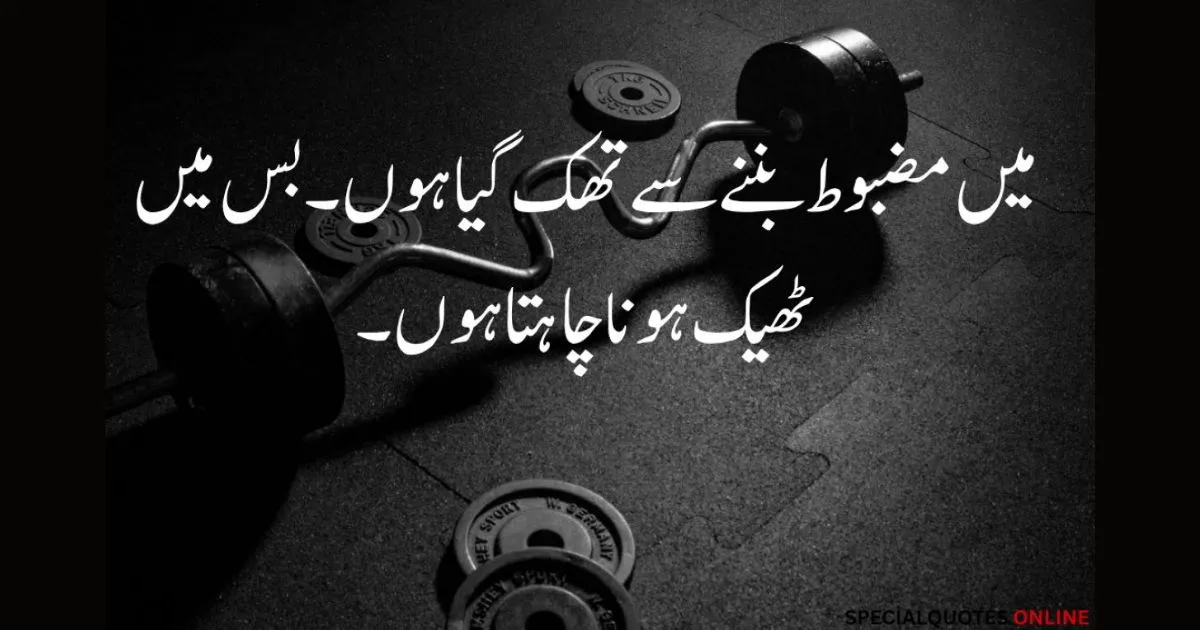
“Even the strongest hearts break.”
Strength and Vulnerability: Being strong doesn’t mean being invincible. The strongest people still cry, still hurt, still break. This quote is permission to be human—to acknowledge that your pain doesn’t negate your strength. In fact, continuing forward despite a broken heart is one of the truest demonstrations of strength.
Share on Twitter |
Share on Facebook |
Pin it
🕊️ Sad Quotes About Death and Grief
Grief is perhaps the deepest form of sadness—the pain of permanent loss. These quotes from those who’ve experienced profound loss speak to anyone who’s lost someone they love, offering both acknowledgment of the pain and gentle reminders that love persists beyond death.
About Emily Dickinson (1830-1886)
Emily Dickinson was an American poet who lived most of her life in reclusive isolation in Amherst, Massachusetts. She wrote nearly 1,800 poems, most unpublished during her lifetime, exploring themes of death, immortality, nature, and the inner life. Her unconventional punctuation and slant rhymes created a unique voice that captures the complexity of human emotion. Dickinson experienced multiple losses—friends, family members—and death became a central theme in her work.
Love That Transcends Death
Dickinson presents a radical idea: those we love cannot truly die because love itself is a form of immortality. Not in a religious afterlife sense necessarily, but in the way that our love keeps them alive within us. They live in our memories, our habits learned from them, our values shaped by them, the ways we see the world through lessons they taught us.
This quote offers profound comfort: death takes their physical presence but cannot touch the love itself. That love—and therefore some essential part of them—remains immortal in you. Your grief is the price of that continuing love, and in a strange way, the pain proves they’re still with you.
“Death leaves a heartache no one can heal, love leaves a memory no one can steal.”
Ancient Wisdom on Loss: This Irish proverb, passed down through generations, captures two eternal truths about loss. First, it acknowledges that grief cannot be “fixed”—the heartache from losing someone you love is permanent. There’s no cure, no timeline, no magic words that make it go away. But the second half offers profound comfort: while death took their physical presence, it cannot take your memories, your love, or the impact they had on your life.
About Queen Elizabeth II (1926-2022)
Queen Elizabeth II spoke these words after the September 11, 2001 attacks, offering comfort to grieving Americans. Having experienced profound personal losses throughout her long life—including the death of her father King George VI, her husband Prince Philip, and many others—she understood grief intimately. Her seven-decade reign was marked by dignity, duty, and a deep understanding of human suffering.
The Wisdom in This Quote
This quote reframes grief not as a punishment or weakness, but as the inevitable cost of loving deeply. If we never loved, we’d never grieve—but who would choose that emptiness? The depth of our grief reflects the depth of our love. In this way, grief is both painful and holy—it’s the price we willingly pay for having experienced love.
The Queen understood that trying to avoid grief by avoiding love is the true tragedy. Your pain right now is proof that you loved well. Would you trade away the relationship to avoid this grief? Most people, even in their deepest pain, say no. The love was worth the price.
🌱 How to Use Sad Quotes for Healing
Sad quotes aren’t just for passive reading—they can be active tools in your healing journey. Here’s how to use them therapeutically:
1. Journaling with Quotes
Choose a quote that resonates with your current emotional state. Write it at the top of a journal page, then free-write about why it speaks to you. What specifically in your life does this quote reflect? When Rumi says “The wound is the place where the Light enters you,” what wound are you experiencing? What light might be entering?
2. Finding Community Through Shared Experience
Share quotes that resonate on social media or with trusted friends. When you post Sylvia Plath’s words about ricocheting between emotions, you’re inviting connection. Often, others will reach out saying “me too,” breaking the isolation that sadness creates. You’re not seeking attention—you’re seeking understanding, which is a fundamental human need.
3. Creating Emotional Bookmarks
Save quotes that help you feel understood. Return to them on difficult days. They become emotional anchors—reminders that Oscar Wilde, Emily Dickinson, Rumi, and countless others have survived what you’re experiencing. If people that brilliant and sensitive could endure and even create beauty from their pain, perhaps you can too.
4. Meditation and Embodied Reflection
Sit quietly with a quote. Read Khalil Gibran’s words about love being “a moving sea” slowly, multiple times. Notice where you feel it in your body. Does your chest tighten? Do tears come? This somatic awareness helps you connect intellectual understanding with embodied emotion, which is crucial for deep healing.
5. Permission to Feel
Use sad quotes as permission slips for your emotions. When society says “be strong” or “move on,” Oscar Wilde says “the heart was made to be broken.” That’s permission. Your sadness isn’t weakness—it’s the human heart working exactly as designed.
When to Seek Additional Support
While sad quotes can be comforting companions in sadness, they’re not substitutes for professional help when needed. If your sadness persists for weeks, interferes with daily functioning, includes thoughts of self-harm, or feels overwhelming, please reach out to a mental health professional.
Remember that Sylvia Plath, despite her brilliant insights, struggled with untreated clinical depression. We now have resources she didn’t have access to. Therapy, support groups, and sometimes medication can provide structured support that quotes alone cannot.
Resources: National Suicide Prevention Lifeline (988 in the US), Crisis Text Line (text HOME to 741741), or contact a local therapist or counselor. Healing is brave, and asking for help is strength, not weakness.
Final Thoughts: Honoring Your Sadness
Sadness is not weakness. It’s proof of your humanity, your capacity for love, and your courage to keep living despite pain. The quotes in this collection—from Rumi’s mystical wisdom to Sylvia Plath’s raw honesty, from Oscar Wilde’s elegant insights to Emily Dickinson’s quiet profundity—aren’t meant to erase your sadness. They’re meant to accompany you through it.
These writers understood that the human experience includes both joy and sorrow, connection and loss, hope and despair. They didn’t shy away from darkness—they explored it, named it, and transformed it into art. In doing so, they created lanterns for the rest of us walking through similar darkness.
Whether you’re heartbroken, grieving, disappointed, or simply tired of carrying life’s weight, know that your feelings matter. You don’t have to justify your tears, explain your pain, or apologize for not being okay. Healing isn’t linear. Some days you’ll feel strong; others, you’ll barely function. Both are valid parts of the journey.
These sad quotes are here for you—companions in darkness, validation when you feel alone, and gentle reminders that countless others, including some of history’s most brilliant minds and hearts, have walked this path and survived. You will too. Not by avoiding the sadness, but by moving through it with compassion for yourself.
Remember: it’s okay to not be okay. And it’s okay to be sad.
📝 More Emotional Quote Collections
- Sad Urdu Shayari – Express sorrow in beautiful Urdu poetry
- Motivational English Quotes – When you’re ready to rise again
- Love Quotes in Urdu – For matters of the heart
- Life Quotes – Wisdom for your journey
🌙 Read our full collection of Sad Urdu Shayari 2025 with Roman Urdu and English translation.
Last Updated: January 2026 | Word Count: 3,200+ words
This comprehensive guide to sad quotes features wisdom from Rumi, Khalil Gibran, Oscar Wilde, Sylvia Plath, Emily Dickinson, and other literary masters, combining emotional validation with practical healing strategies for those experiencing sadness, heartbreak, or grief.

[…] Sad Quotes […]